
Athens, Greece, 7–9 May
Calgary, Canada, 11–13 May
London, UK, 17 June
London, UK, 18 June
Newfoundland and Labrador, Canada, 27 – 31 July
Is there still a first-mover advantage in digital subsurface workflows?
For nearly a decade, the oil and gas industry has obsessed over the hunt for repeated deepwater success of Suriname-Guyana’s “Golden Lane”. In Suriname, there is an unexplored play within the acreage offered in the open-door round. It relies on the same hydrocarbon systems and trapping styles as the Golden Lane, drawing its sands from deltas to the southeast and the shallow marine shelf of the Demerara High. This extension or “replication” of the Golden Lane will be the next great play to chase.
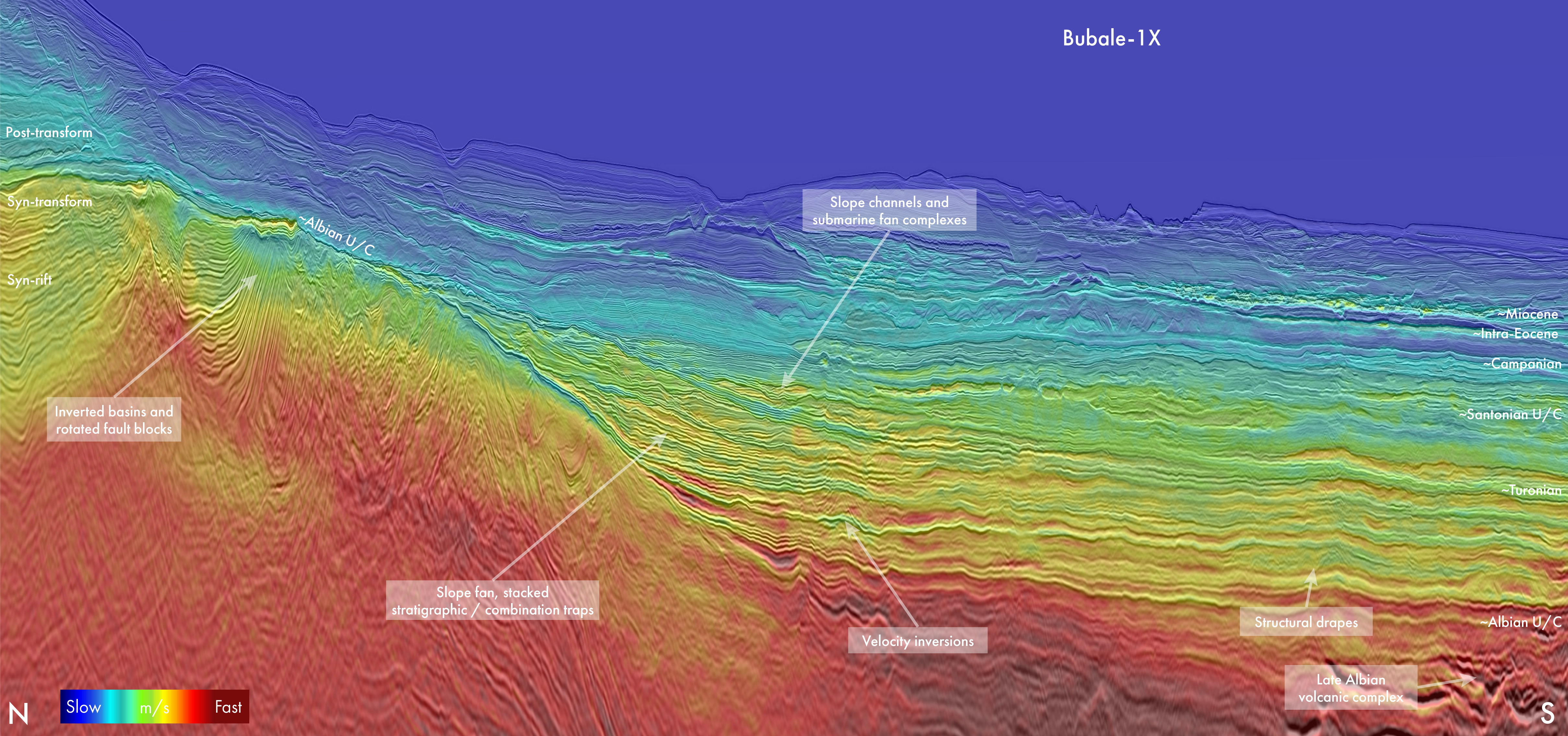
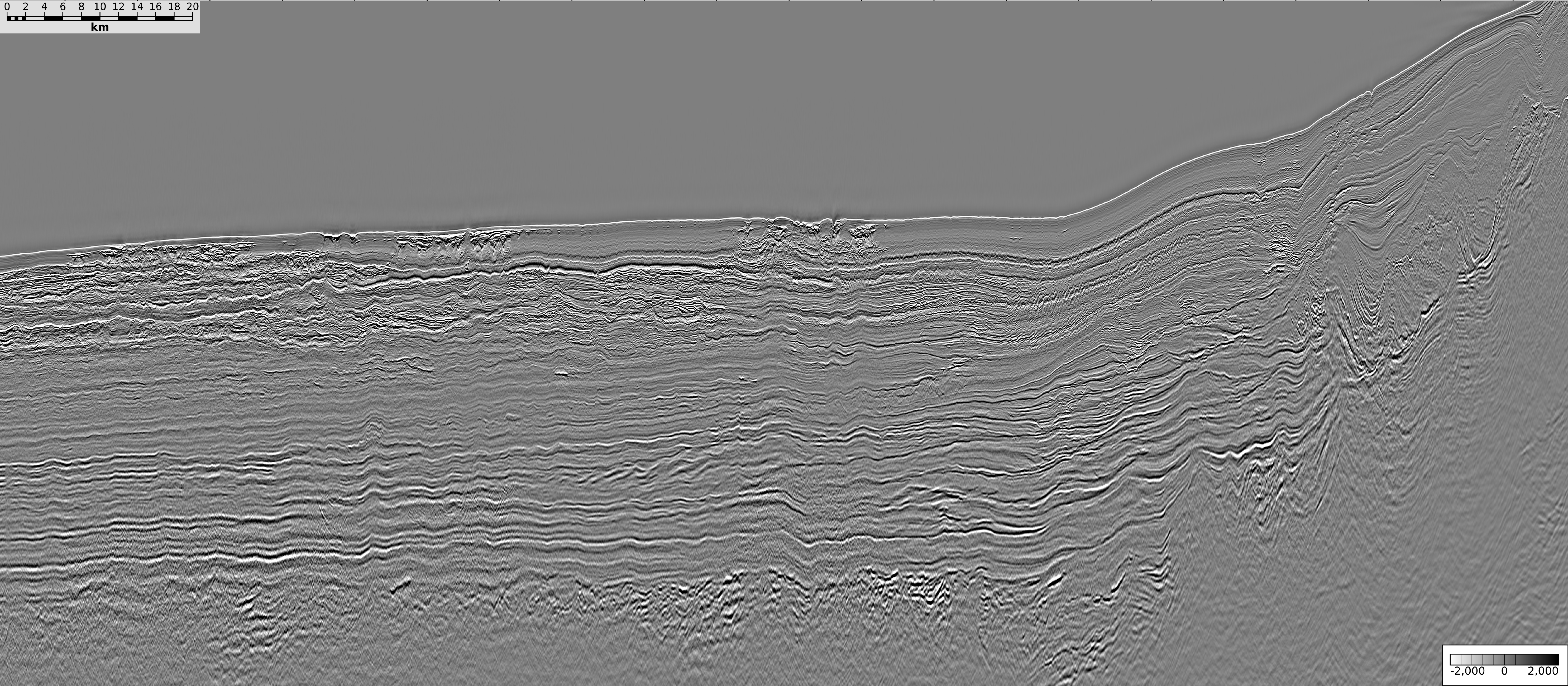
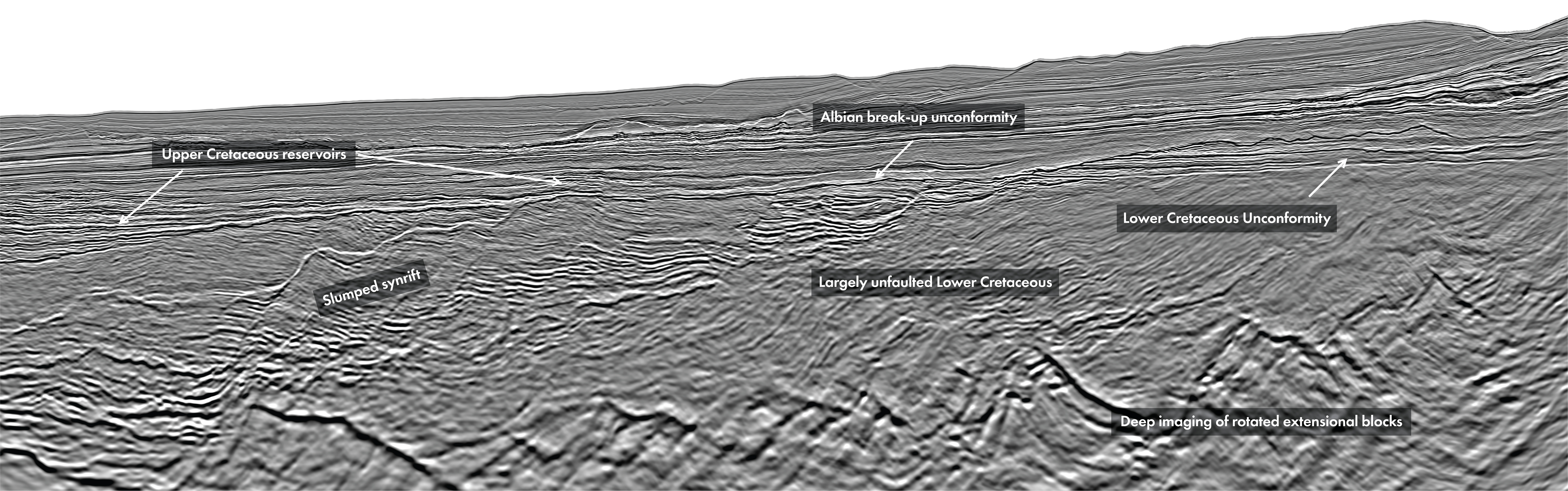
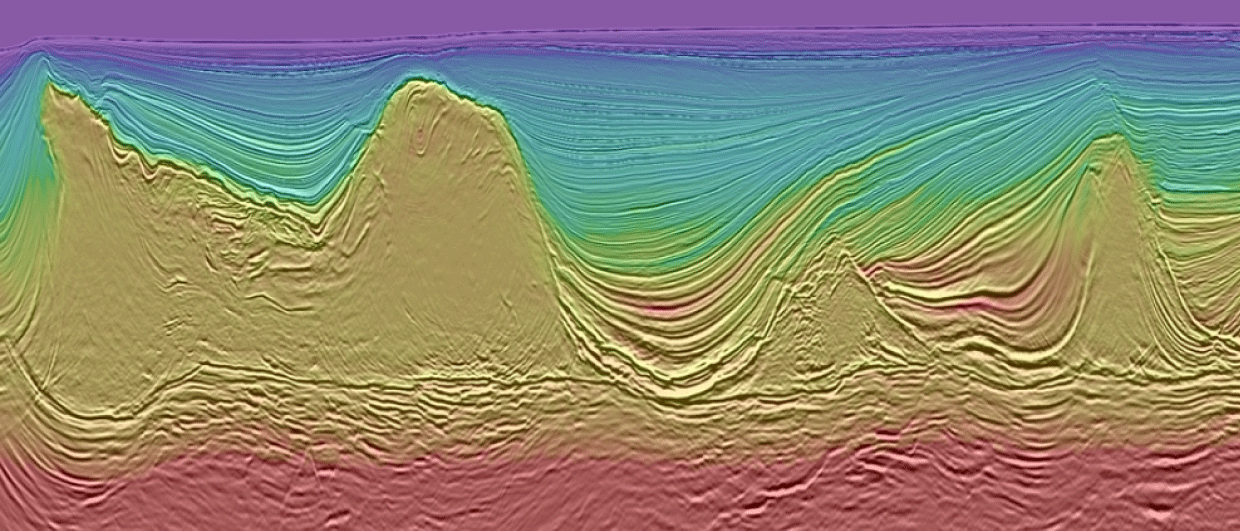
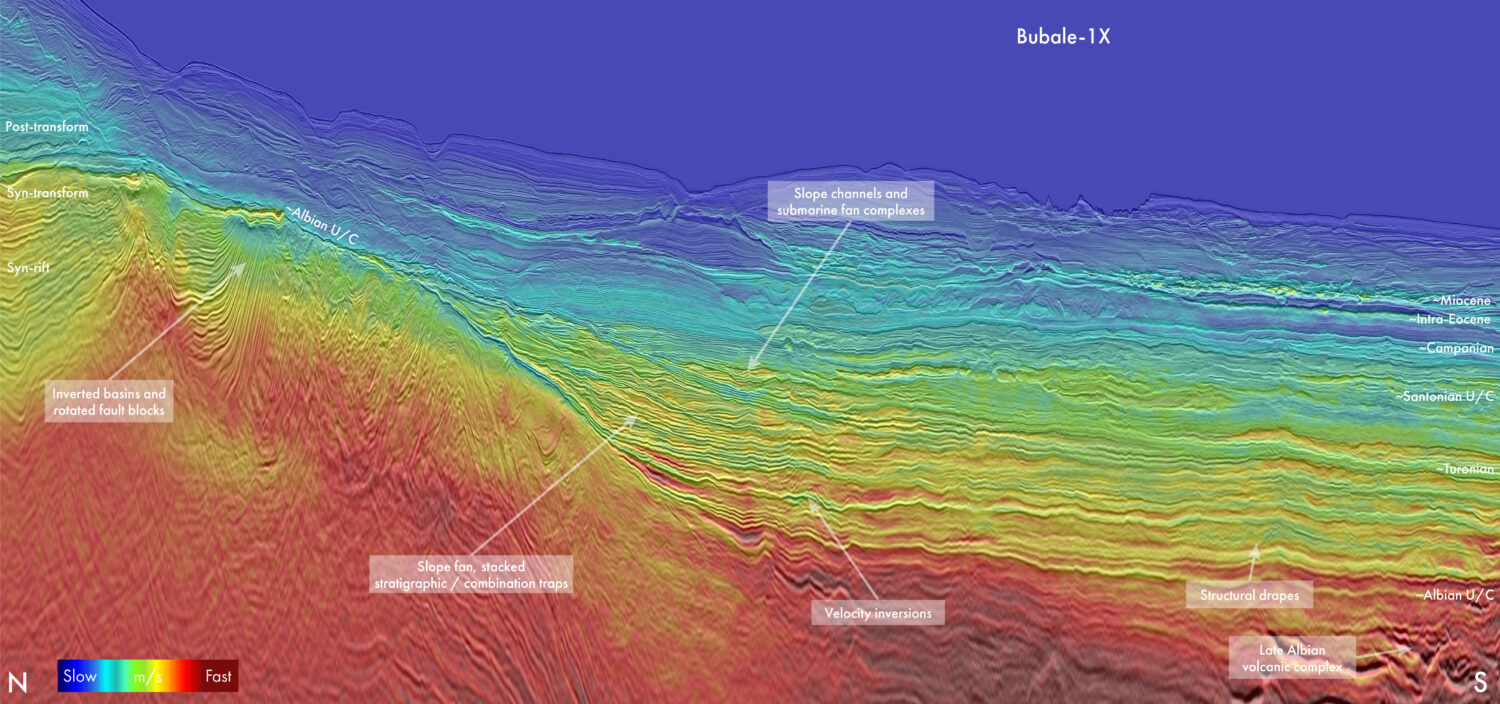
The Atlantic passive margin of Morocco is an emerging hydrocarbon province, offering a range of high-potential open acreage opportunities and presenting a unique first-mover advantage for exploration companies. These opportunities are supported by an extensive geological database and modern seismic data, of which a snapshot is shown here.
The margin extends over 3,000 km, from Tangier in the North to Lagouira in the South. It encompasses a significant salt province and holds one of the oldest stratigraphic records documenting the opening history of the Central Atlantic.
This diverse geological setting enabled the development of various exploration plays and targets. These are mainly related to nappe and salt tectonics in the northern segments, and to carbonate platforms, slope-related tectonics, and turbidite fans in the southern segments (Figure 1).
Despite its favorable geology for oil and gas exploration and production, the Atlantic offshore Morocco remains underexplored, with only 45 exploration wells drilled to date. However, extensive seismic acquisition has been carried out along the margin, yielding a considerable seismic coverage of approximately 176,623 km of 2D seismic and 67,888 km² of 3D seismic data.
More on Exploration Opportunities