Geology & Geophysics

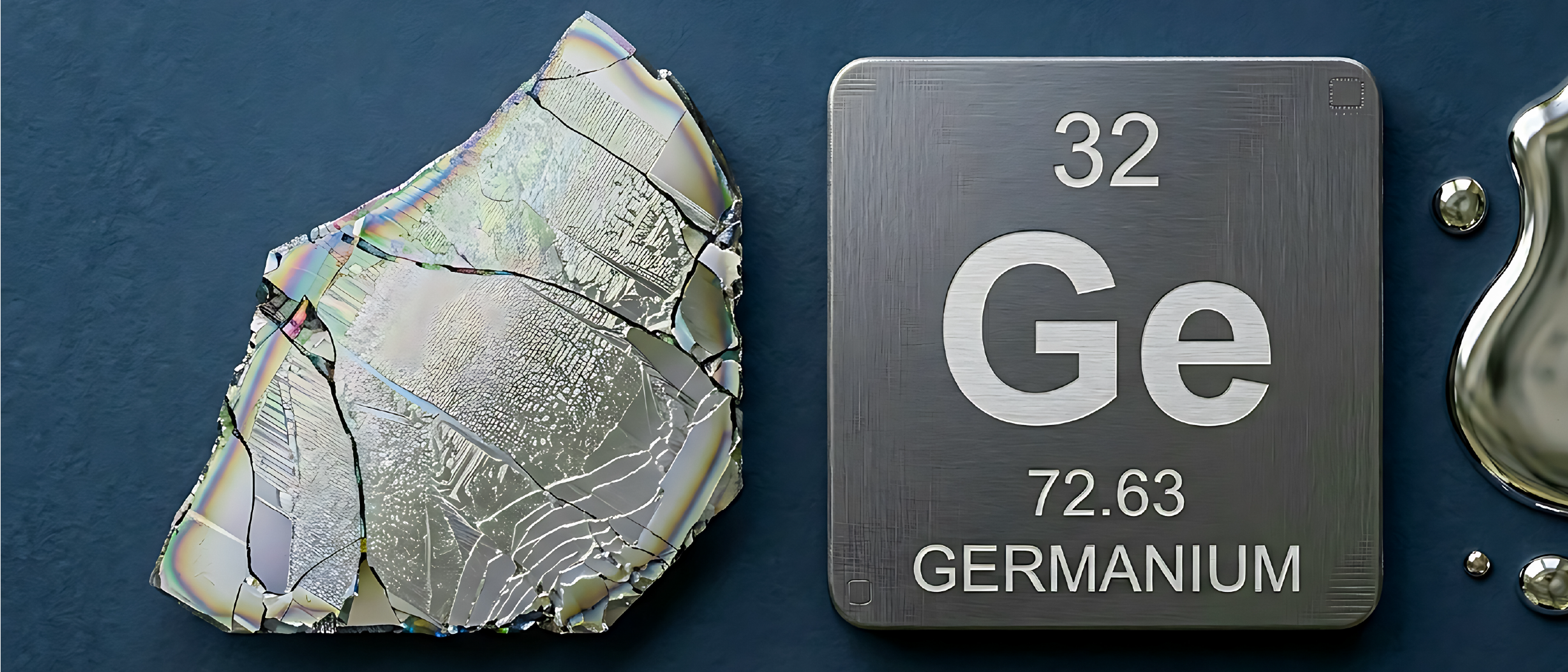
What else is hiding in your reservoir brine?

In oil and gas, water is usually treated as a liabili­ty – something to manage, re-inject, or dispose of. But from a geological perspective, produced water is not just a…

The class of ’71

I am working on a Brent Province project at the moment. It’s the appraisal of a significant discov­ery. The Brent is classic petroleum geology – and this project really does…

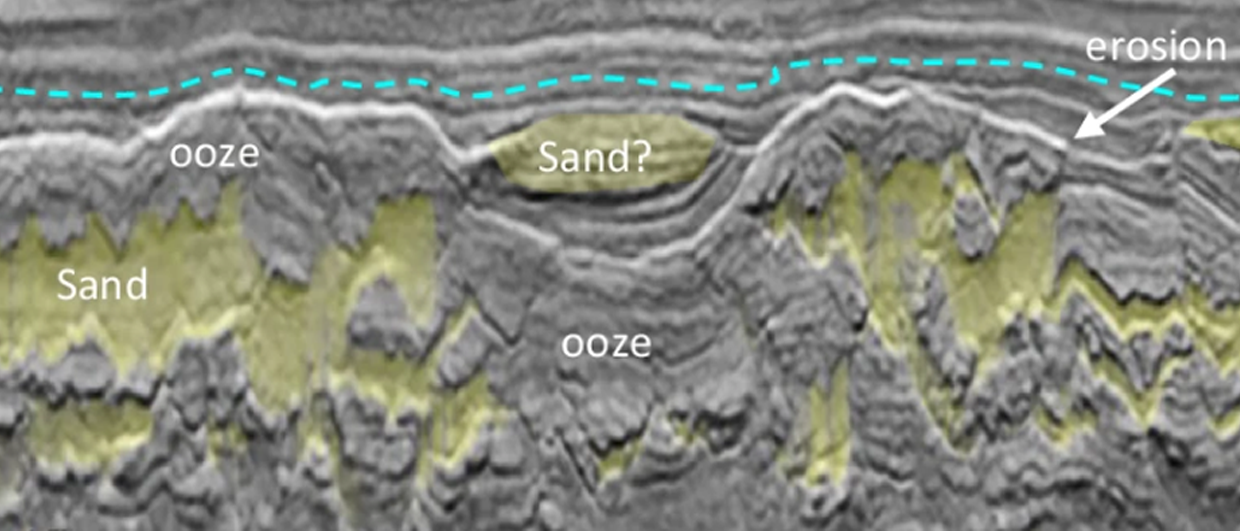
Beyond turbidites: Core insights from the Rovuma Basin

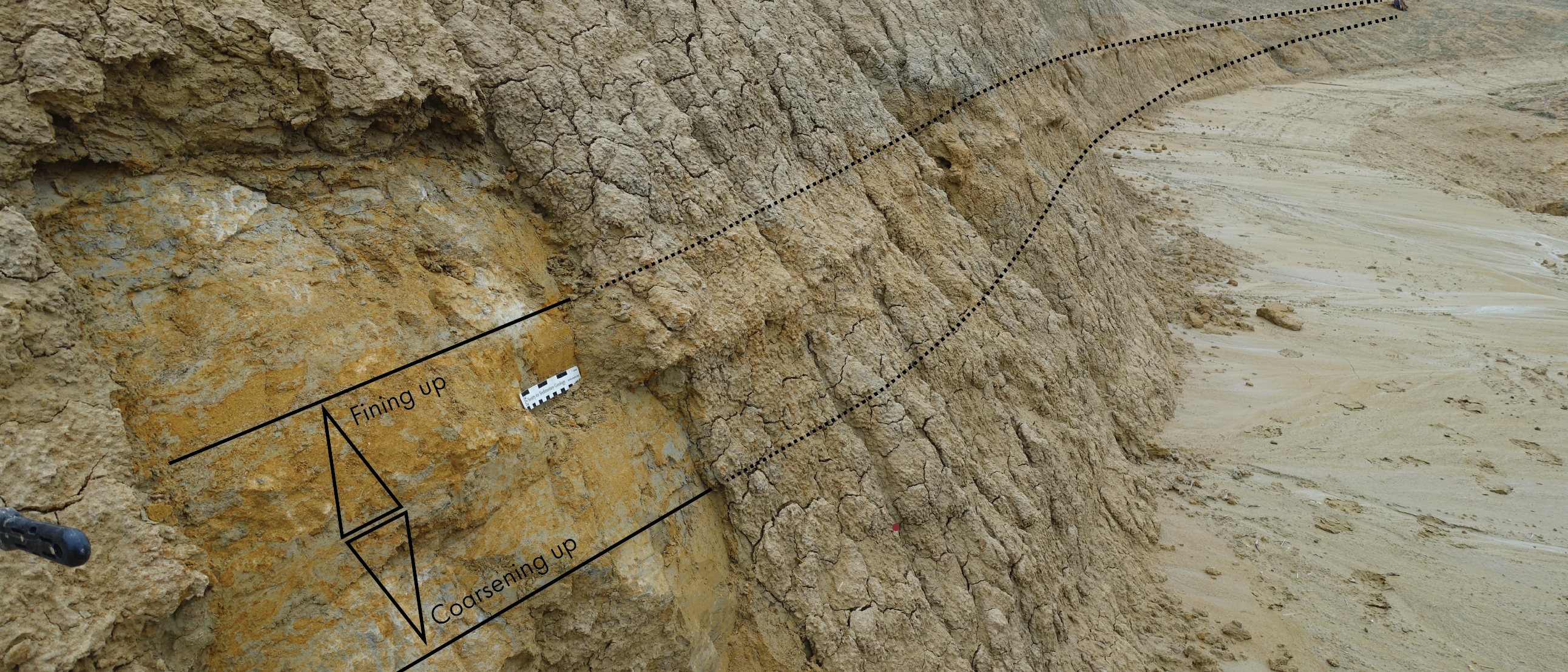
The Rovuma Basin evolved from Early Jurassic rifting into a passive margin by the Mid-Cretaceous, followed by significant clastic infill through the Cretaceous and Tertiary. Uplift associated with the early…

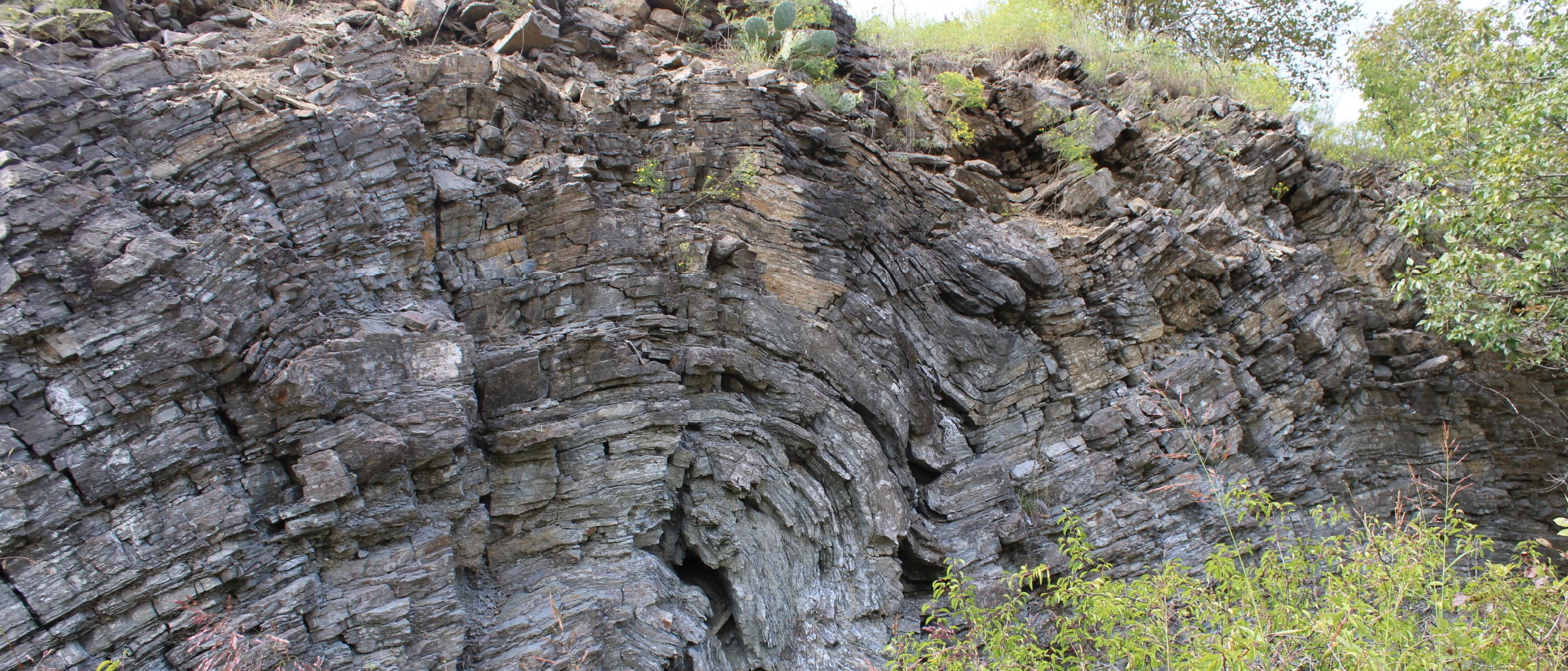
The rebellious proto-Riedel shear zones

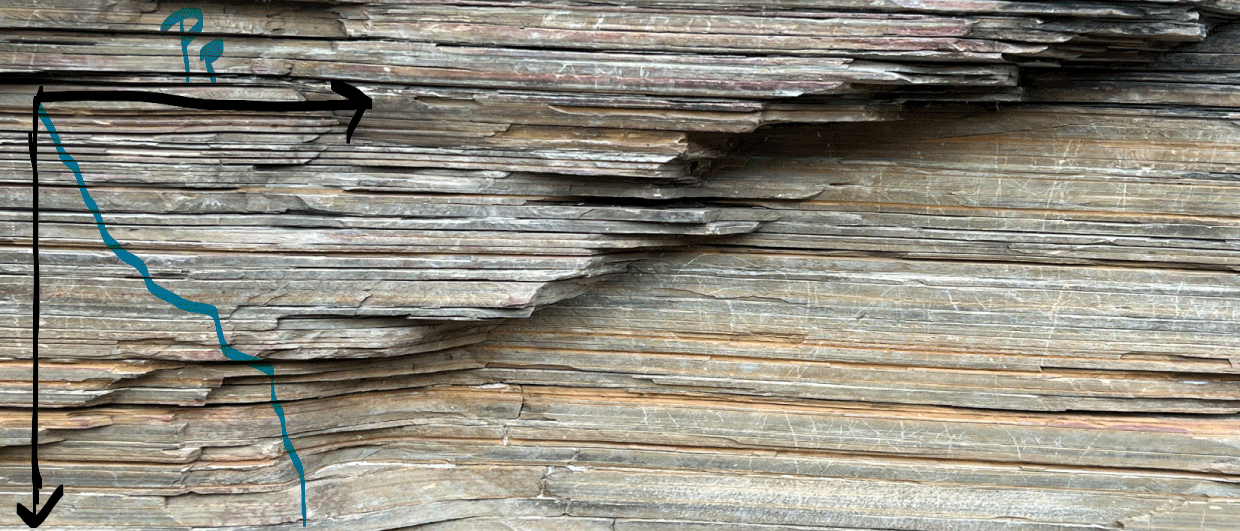
Classic Riedel shears are the first subsidiary fractures that form prior to breakthrough of a master fault. They appear as low-angle (~15°) en echelon arrays oriented synthetically to the principal…

Mid Atlantic ocean floor at outcrop

The island of Maio, Cabo Verde, 600 km the west of Senegal, is the only place where Cretaceous mid-ocean floor of the distal Mauritania – Senegal – Guinea Bissau – Conakry…

What’s hidden in your reservoir brine?

For more than a century, pe­troleum exploration has fo­cused on hydrocarbons. Yet, sooner or later, every produc­ing oil and gas field also brings some­thing else to the surface: Formation water.…

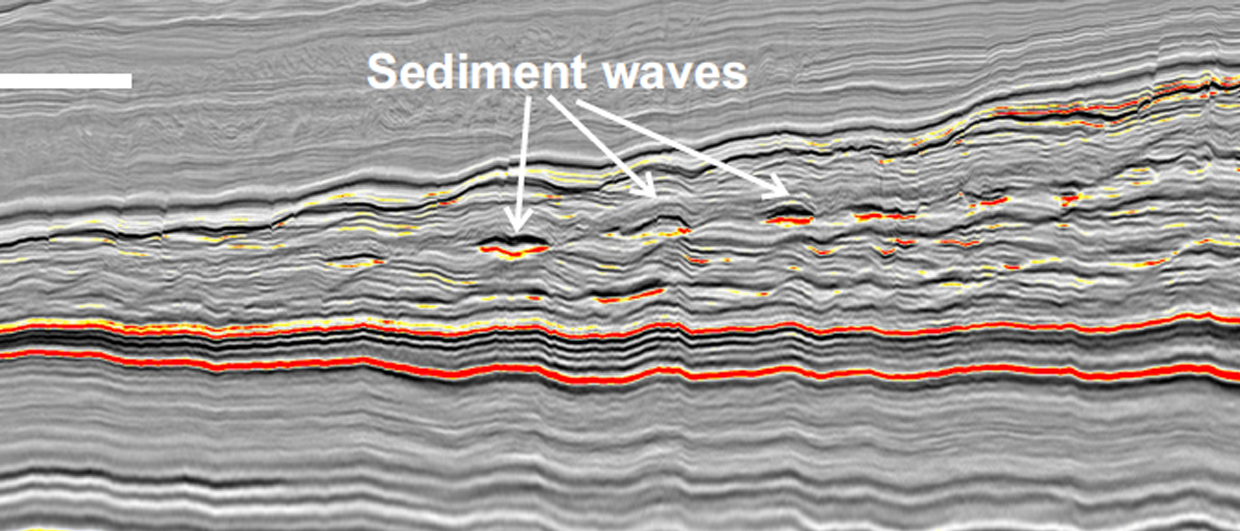
The very first core cut in the UK North Sea

It is boxing day 1964, a day most people in the countries around the North Sea don’t think about spend­ing a day at sea. Yet, the crew of the Global…

What are we risking and why is it important?

Risk is about the chance of finding producible hydrocarbons; uncertainty is about the volume of hydrocarbons that may be found in the case of success. The geological Probability of Success…