Photo: deepseamineralscorp.com.
The benefits of being a second mover
A conversation with James Deckelman, CEO of Deep Sea Minerals, about how his company is reaping the benefits of research and development carried out in the seabed minerals space and how it is now moving ahead quickly as opportunities open up

“I was in oil and gas for most of my career,” says James Deckelman, the CEO of Deep Sea Minerals, when we meet online. “And the opportunities I have had in that sector are amazing. But when I was approached with a new opportunity last year, I did not think long. There is now tremendous movement in the critical minerals space, unprecedented support from the US Government, and progress being made within the International Seabed Authority.”

So this is a time of great importance to the seabed mineral industry.
“We recognise that companies such as The Metals Company (TMC) have paved the way for this industry through significant capital investment in environmental studies, exploration, test mining, and processing pilots,” says James. “At Deep Sea Minerals Corporation, we can benefit from this and other work using a second-mover advantage.”
“Apart from TMC, we are the only other publicly-traded company in this space,” continues James. “We offer investors a low entry threshold with significant upside, low volatility, little dilution, and no debt to serve.” Deep Sea Minerals Corporation was established in 2022 and is listed on the Canadian Securities Exchange.
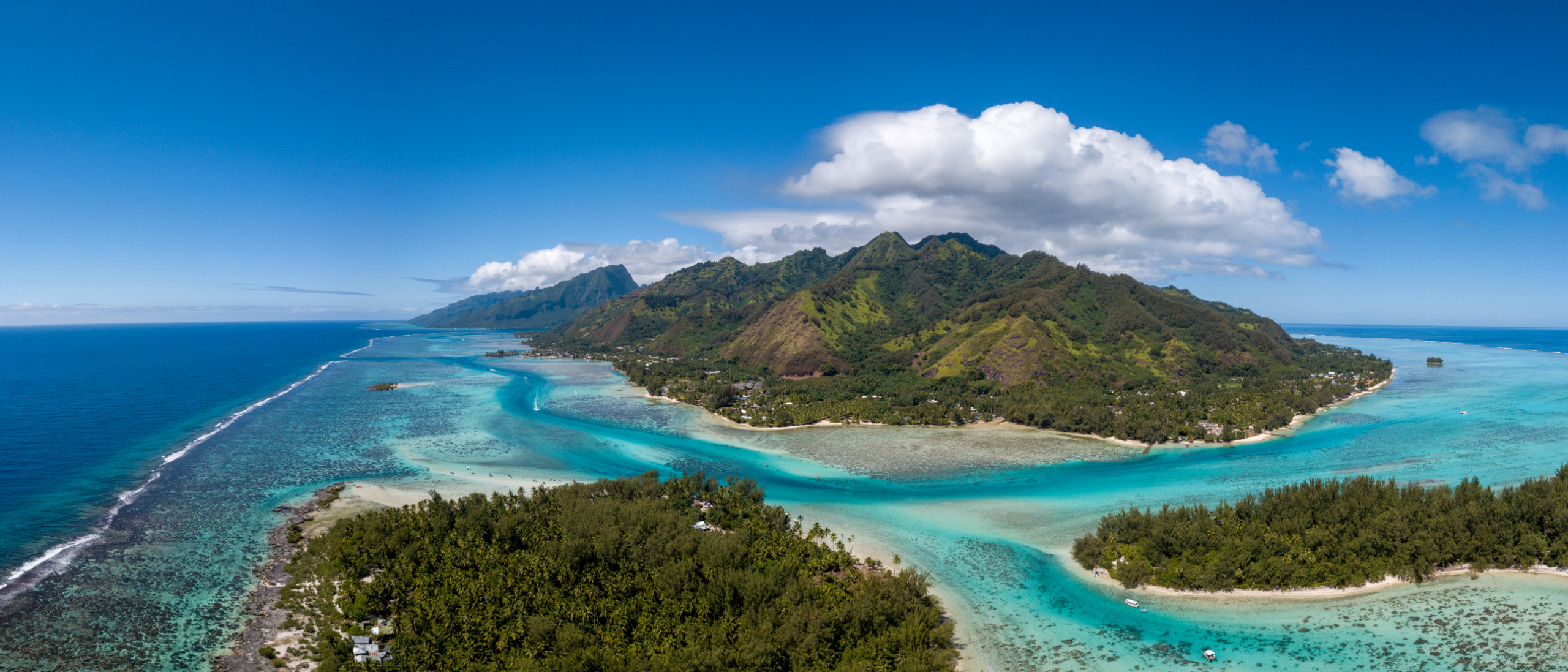
“We have two licence applications in preparation,” says James. “One is through the NOAA framework in the Pacific Ocean’s Clarion-Clipperton Zone, which we expect to have filed by the time this magazine goes to print. The other application is in the Cook Islands, within the Islands’ Exclusive Economic Zone. We are also studying other opportunities, including those in American Samoa.”
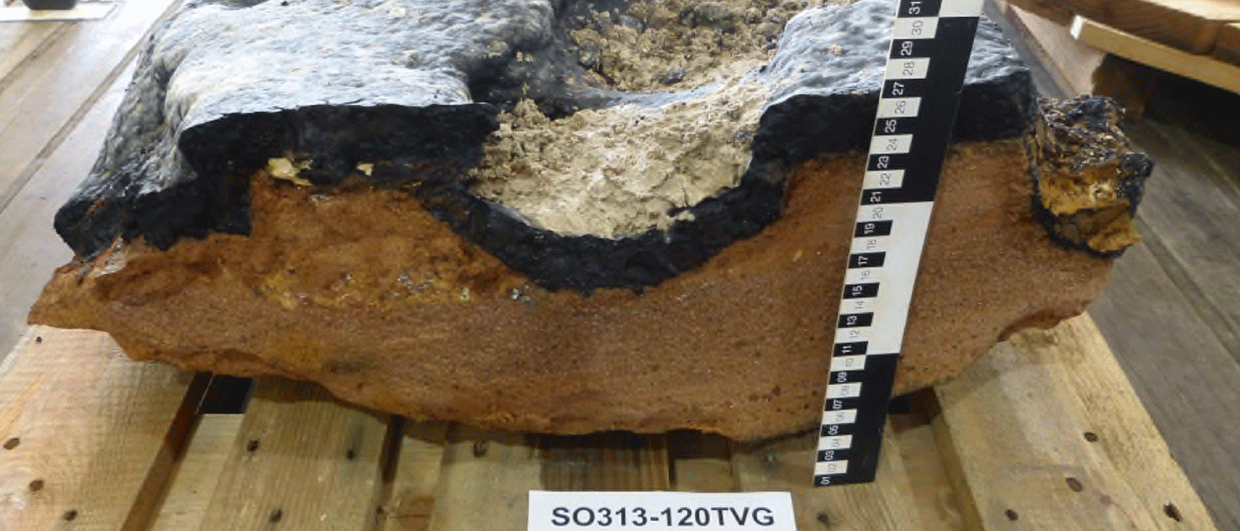
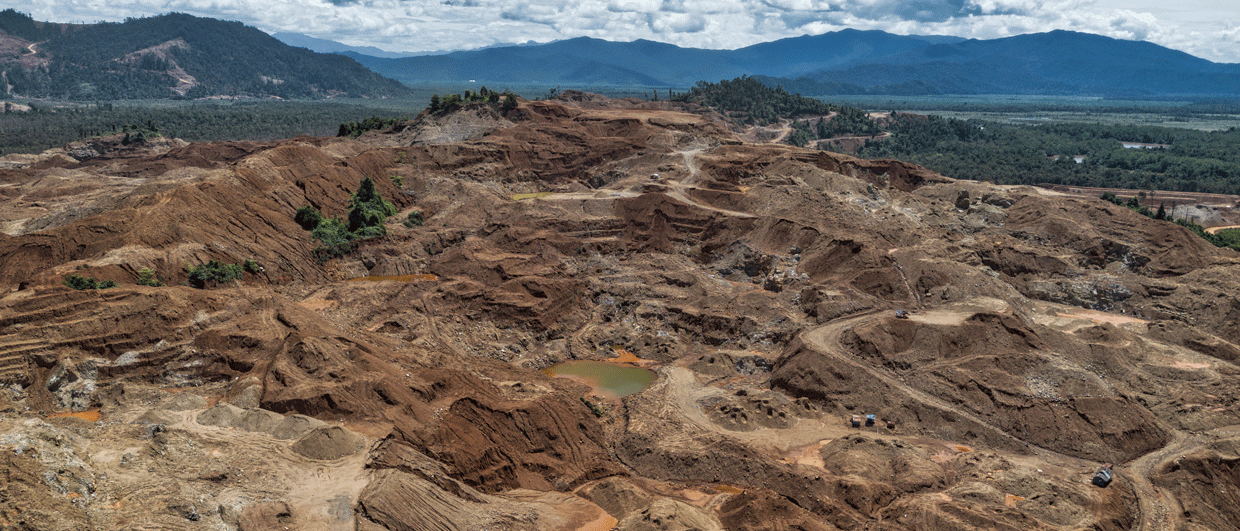
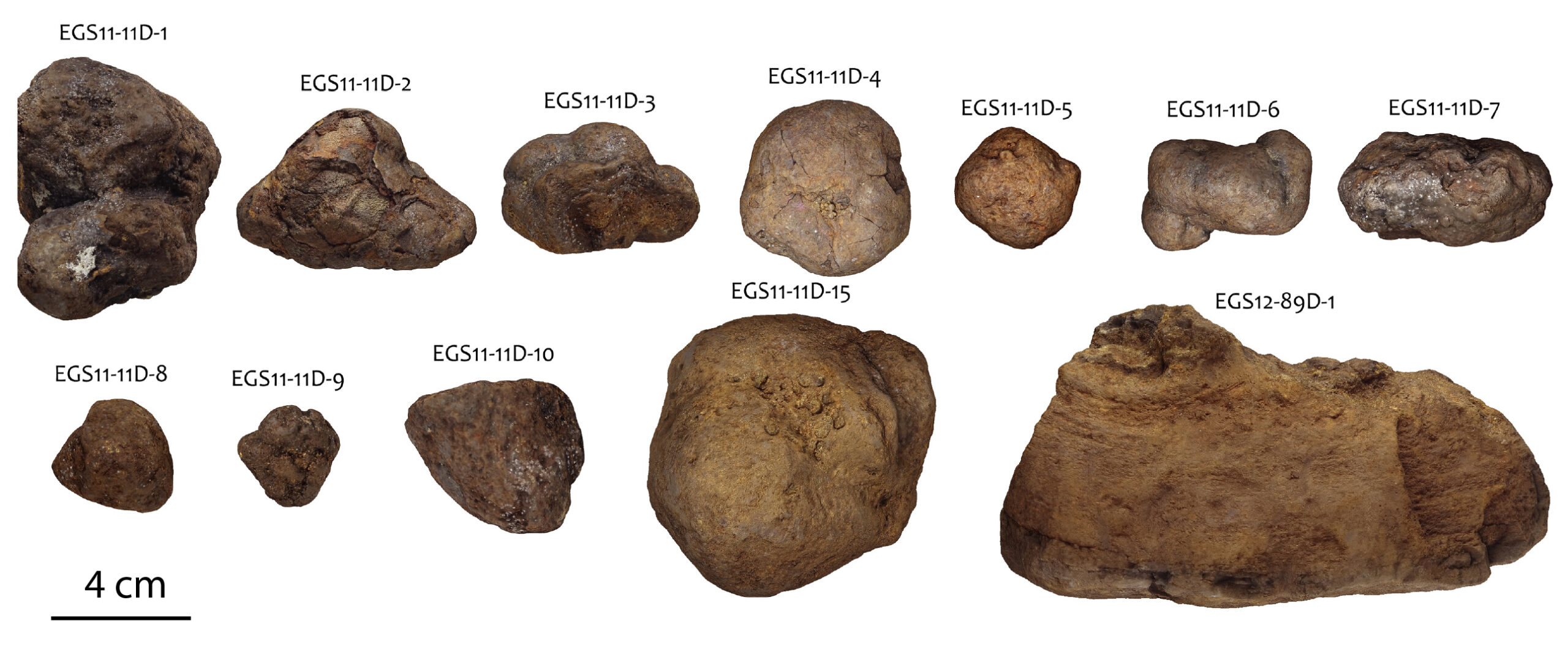
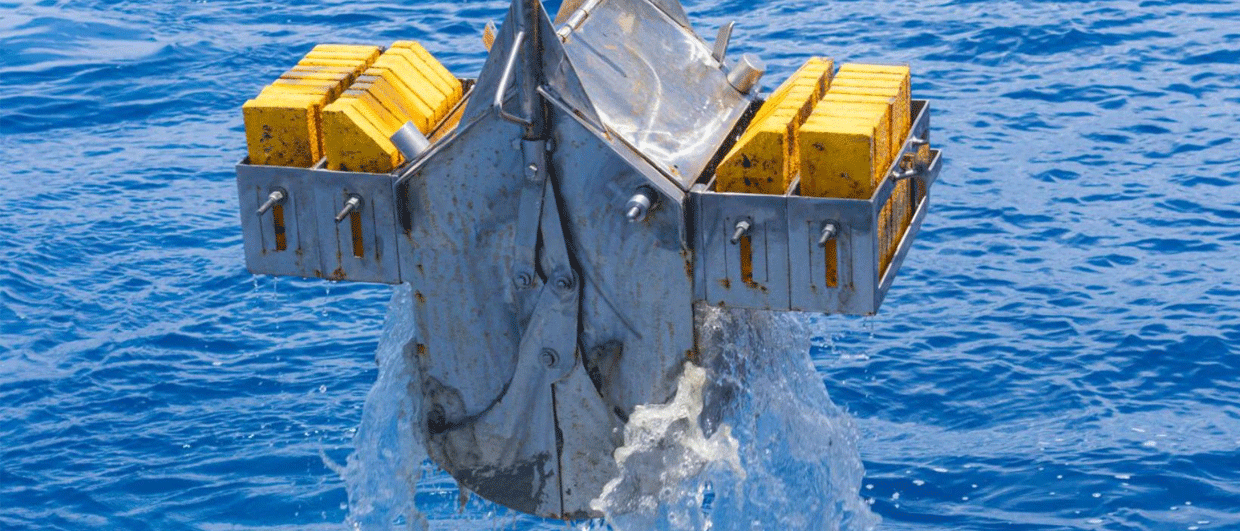
The company is pursuing polymetallic nodules exclusively. “Polymetallic nodules have been studied for decades, as well as environmentally responsible ways to recover them. Multiple companies are working on harvesting technology now,” says James. “With polymetallic nodules, the environmental impact is less than that of terrestrial mining, which can require cutting, blasting, tunnelling, overburden removal, large amounts of fresh water, and longer permitting times. Instead, the seabed nodules are simply collected, where they lie unattached to the seafloor.”
Deep Sea Minerals is pursuing an asset-light model. “We don’t intend to own our own vessels, and we will use equipment that is available to the industry as a whole,” says James. “In the near term, processing will continue to take place abroad, but eventually in the USA, where defence, clean-energy, and data-centre demand is soaring. We have a long road ahead, but we can quickly capitalise on the technology that is being developed today and the groundwork that has been laid by our predecessors. We hope to deliver our first cargo of nodules in three to five years.”