Photo: Алексей Закиров via Adobe Stock.
Drilling problems? Ask your CEO
A conversation with Henrik Tingström, one of the co-founders of startup company WellvectorNordland

Henrik Tingström didn’t need much time in the industry to see how much unstructured data was being left on the table. It was during internships at oil majors that he first realised the potential of organising this information, and with prior startup experience and fundraising already under his belt, he teamed up with fellow entrepreneur Axel Jørgensen to form Wellvector in September last year.

Initially, the duo focused on offset well analysis. “We noticed quickly that drilling activity can come to a halt due to unforeseen challenges, and how an AI-powered analysis of existing legacy documents from nearby wells can accelerate solving the issue at hand, or even being caught in the planning phase.”
The response from the market was immediate. “In some cases, we showcased the platform to more than 50 client representatives at a time,” says Henrik.
Recognising the immense interest, Henrik and Axel focused on the core challenge: Making an operator’s own proprietary data work for them. They partnered with the Head of Development, Filip Sjöstrand, from KTH AI Society in Stockholm, to build a system that digests the complex reality of drilling.
“The main types of input data we ingest today are text, images, schematics, and plots from Well Reports and Daily Drilling Reports (DDRs), which we compress not only into short, tailored summaries, but also into diagrams and other types of visuals – all interpretable and stored in a way that AI can read,” Henrik explains. The output is designed to be a decisive operational advantage, whether used for tender work, drilling operations, well planning, or asset acquisitions.
The platform operates via a “manager agent” or a CEO, where users interact with their data through specialised sub-agents and mapping tools.
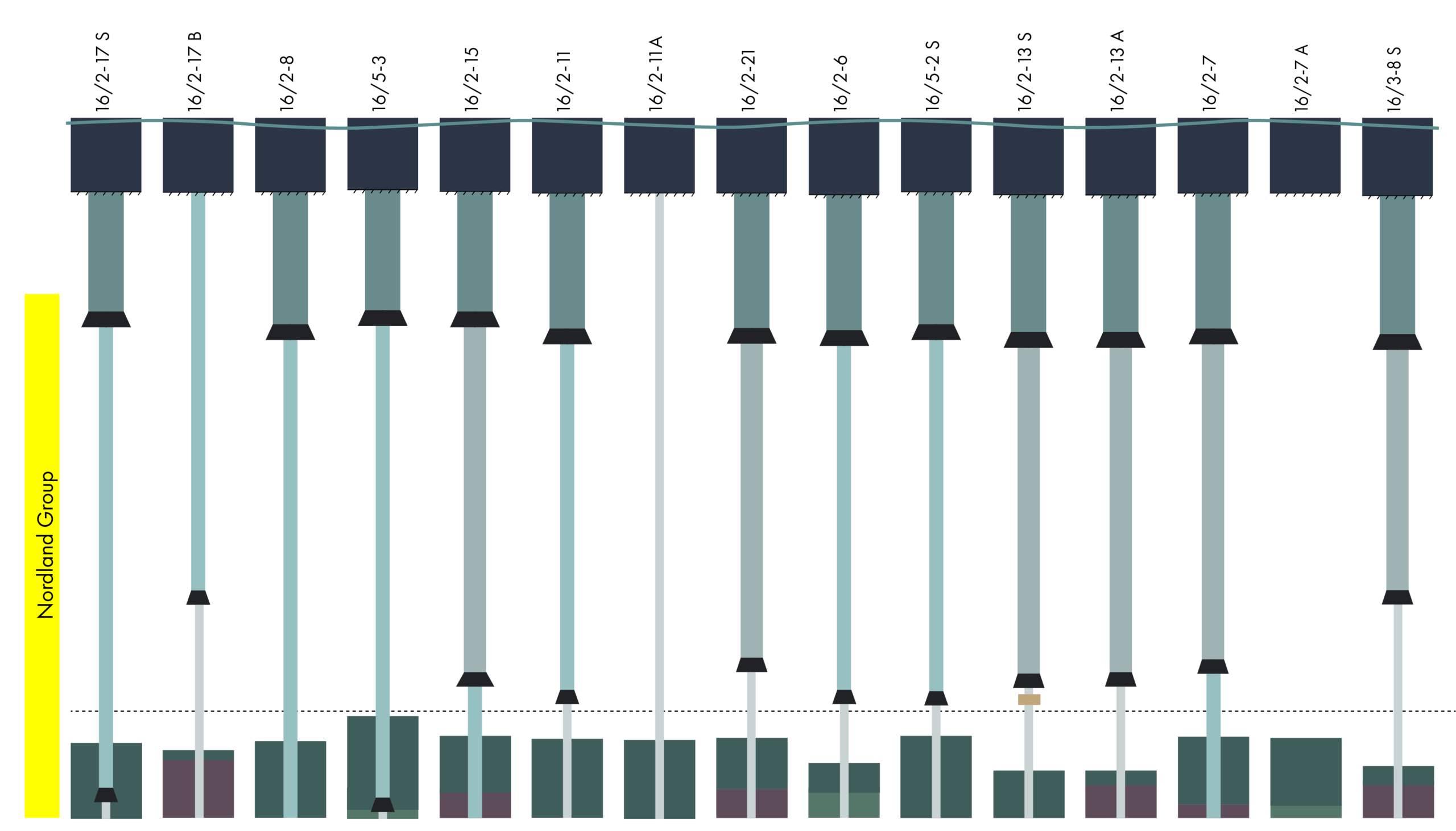
A critical pillar of the technology is data sovereignty. “An important aspect here,” says Henrik, “is that the model will never learn from the data, to prevent situations where two different operators are looking at the same source and one benefits from the learnings achieved by the other.”
Initially, Wellvector worked on projects with proprietary data supplied by operators. “But then we felt like we were just running individual projects, without the possibility to scale,” says Henrik. “That’s why we have now started to delve into public-domain databases as the base platform, using Norwegian and UKCS offshore data from Sodir / Diskos and the NDR at the same time. We are now in the process of standardising these two different datasets.”
Backing the company is a group of seasoned professionals from the oil and gas industry, hedge funds, and tech sectors across Scandinavia, the US, the UK, and the Middle East. “I believe it is the combination of our AI-first approach, combined with practical experience, that forms the main driver of the enthusiasm we experience today,” says Henrik. “And I am very much looking forward to how this journey continues!”