Earth Science Analytics

AI-driven integration for deeper subsurface insights

The state of geoscience today: Challenges & opportunities The rise of ai in subsurface workflows Subsurface characterization has long relied on expert interpretation of subsurface rock samples, well logs, and seismic data. As datasets have become larger, and domain experts…
Most subsurface teams aren’t making the most of their data

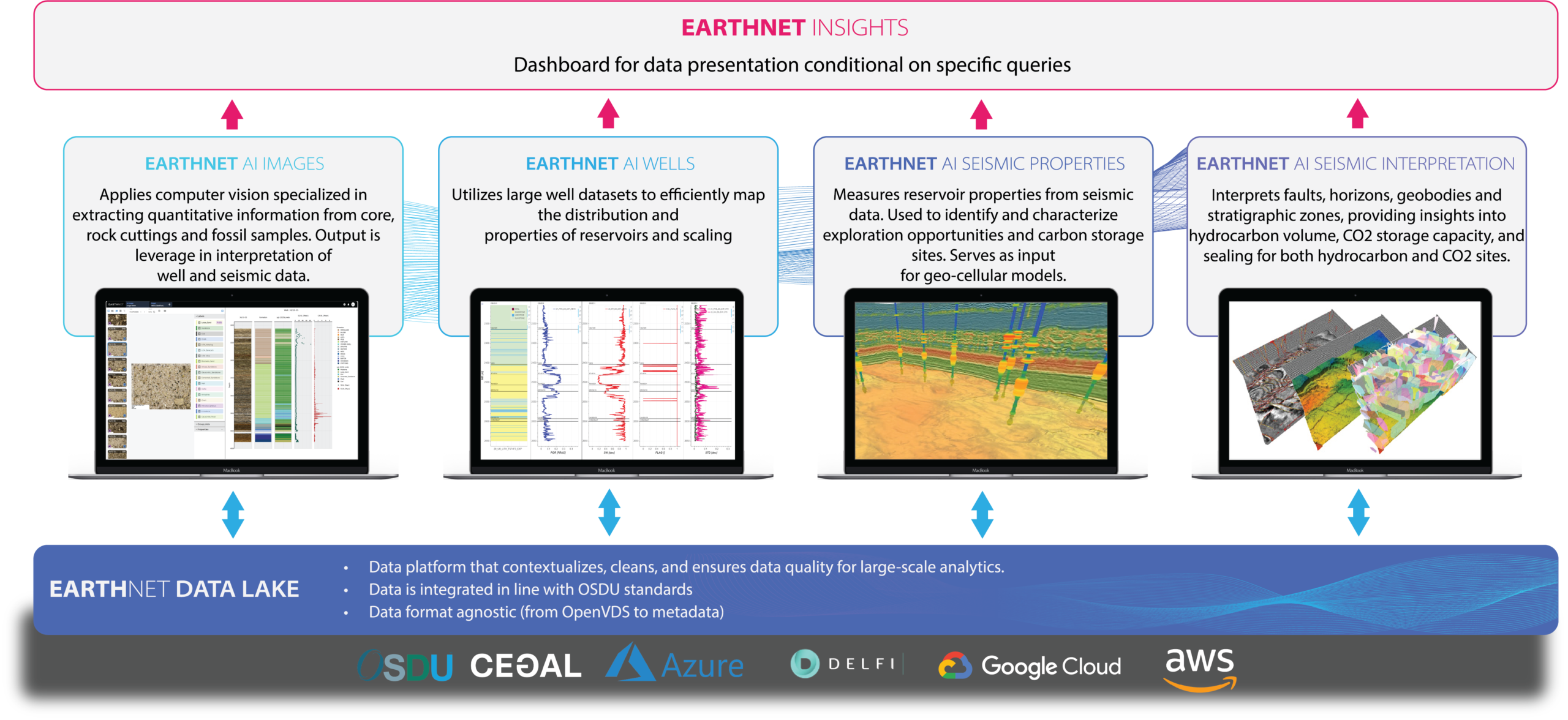
Figure 2: Using EarthNET and its Data Lake facilitates harmonization, indexing, and contextualization of the data, making it analytics-ready. Energy companies have invested heavily in data over the past several decades. Seismic surveys, wells, petrophys­ical data, cores, cuttings, lab data,…

From cuttings to clarity: AI unlocking the Norwegian Continental Shelf

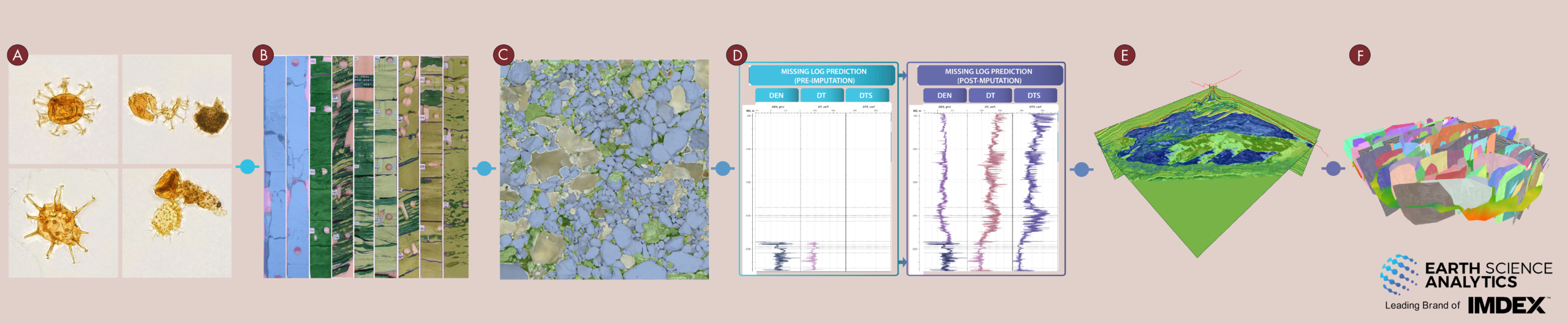
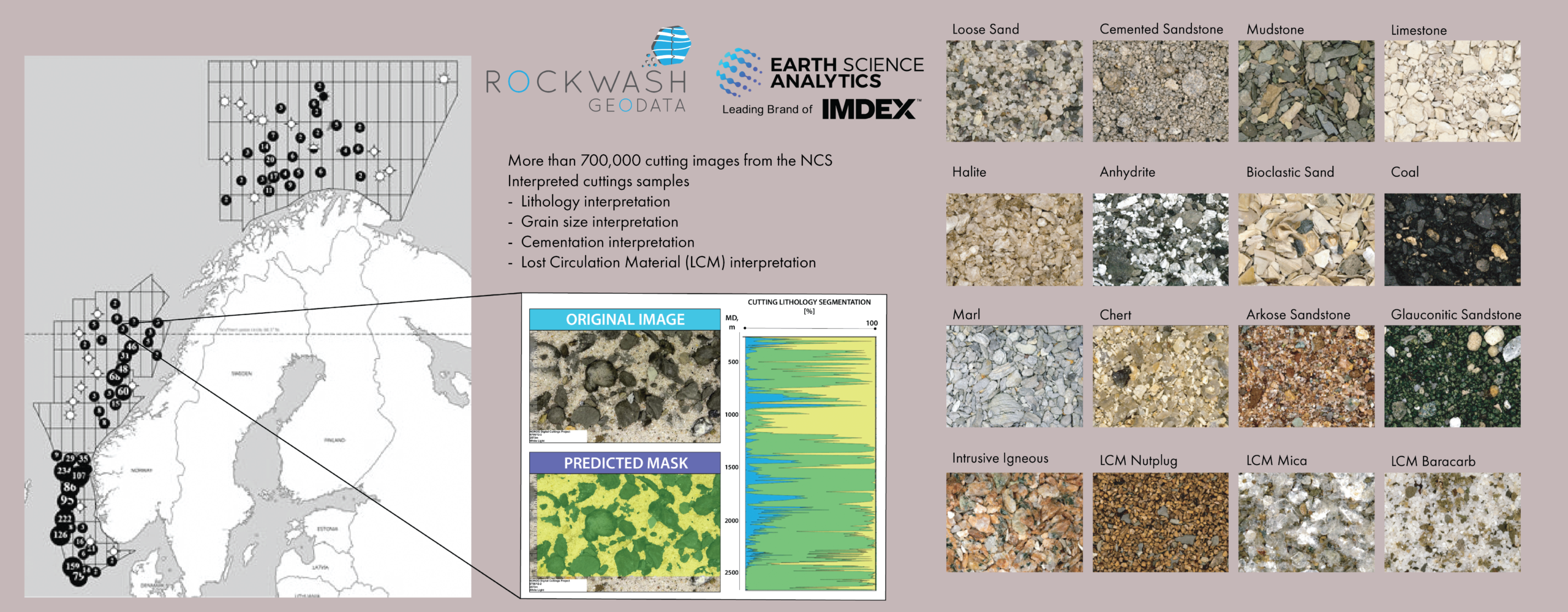
Turning archives into insight The goal is simple: Make geological cuttings not just visible, but actionable (Figure 1). Traditionally stored in boxes and rarely re-examined, these samples record the geological history of every drilled well. Now, through AI-enabled digitisation, 718,663…

Liberating well data with modern data science and AI

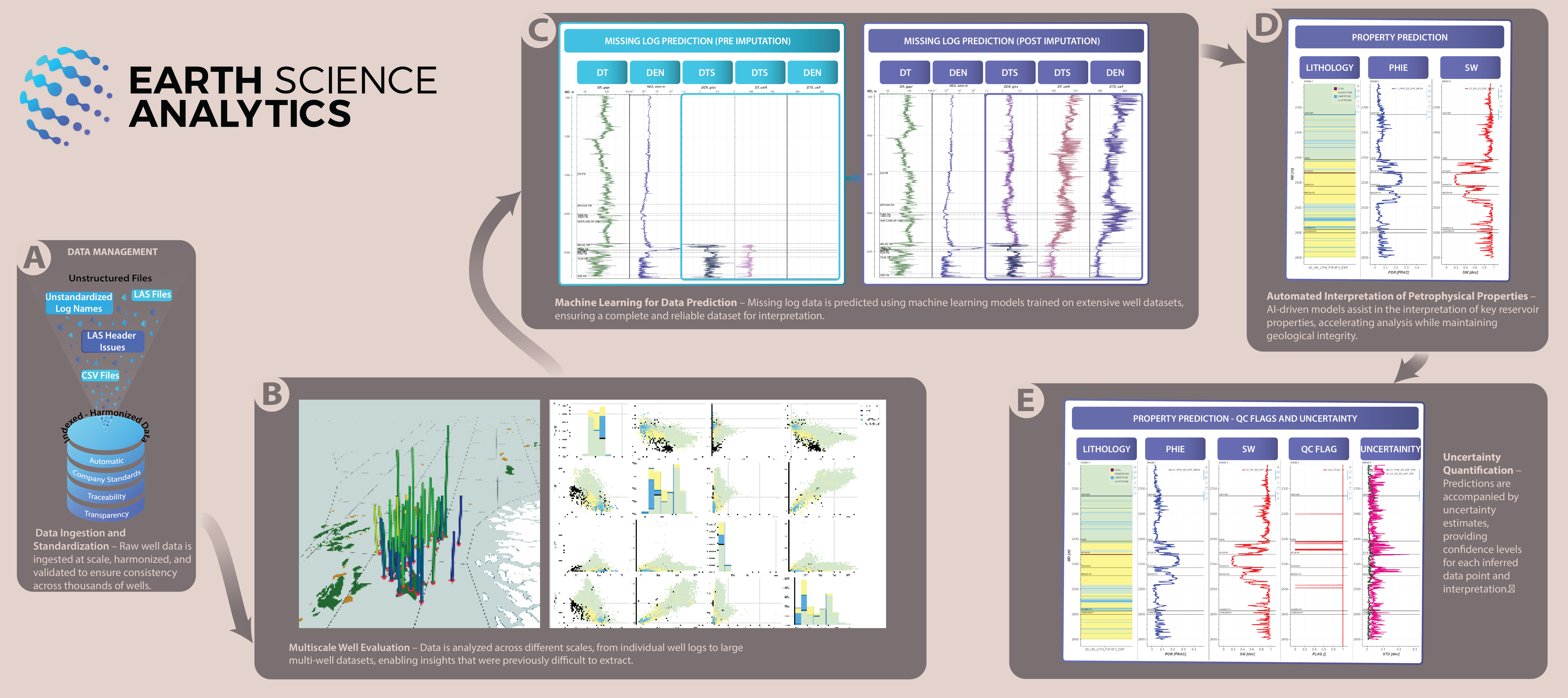
AI-driven well data revolution: Unifying traditional expertise with modern data science The oil and gas industry is navigating a transformative era fueled by the convergence of geoscience, data science, and artificial intelligence. As the volume and complexity of subsurface data…

From data to discovery: Applying AI in offshore geoscience

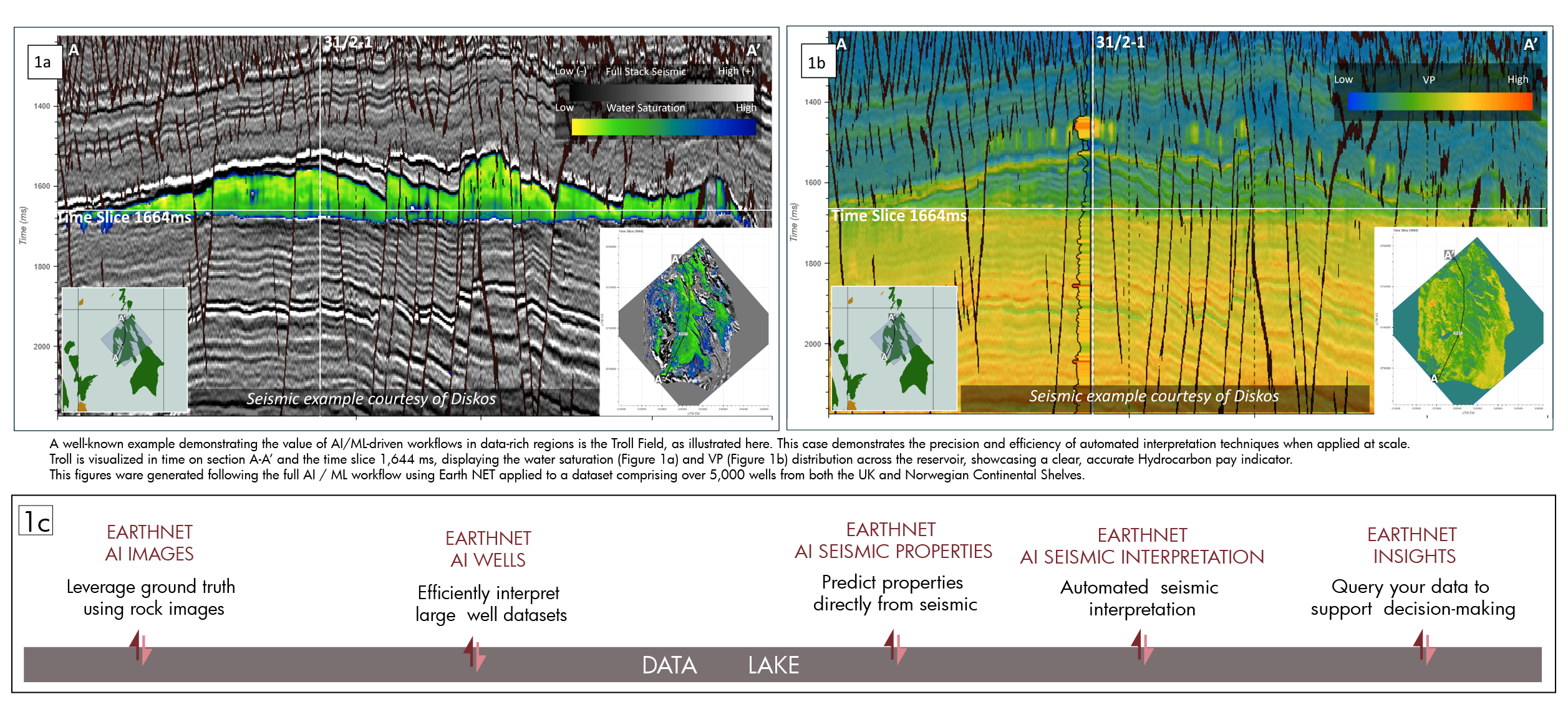
Gamma ray log colored by averaged measured depth for 5,000 wells. AI at Scale: Modernising subsurface interpretation with EarthNET A machine learning-powered workflow enabling geoscientists to analyse and interpret large, complex subsurface datasets efficiently Using AI-driven workflows, EarthNET reinterpreted nearly…