Geology & Geophysics

How one biomarker does not make a new source rock

When we are looking for new opportunities, visiting data rooms, or moving to a new asset, many of us find ourselves reading old reports to piece together the nuggets of information from decades of past exploration. This is currently happening…

A tale of a cave or how much in-place volume you might be missing

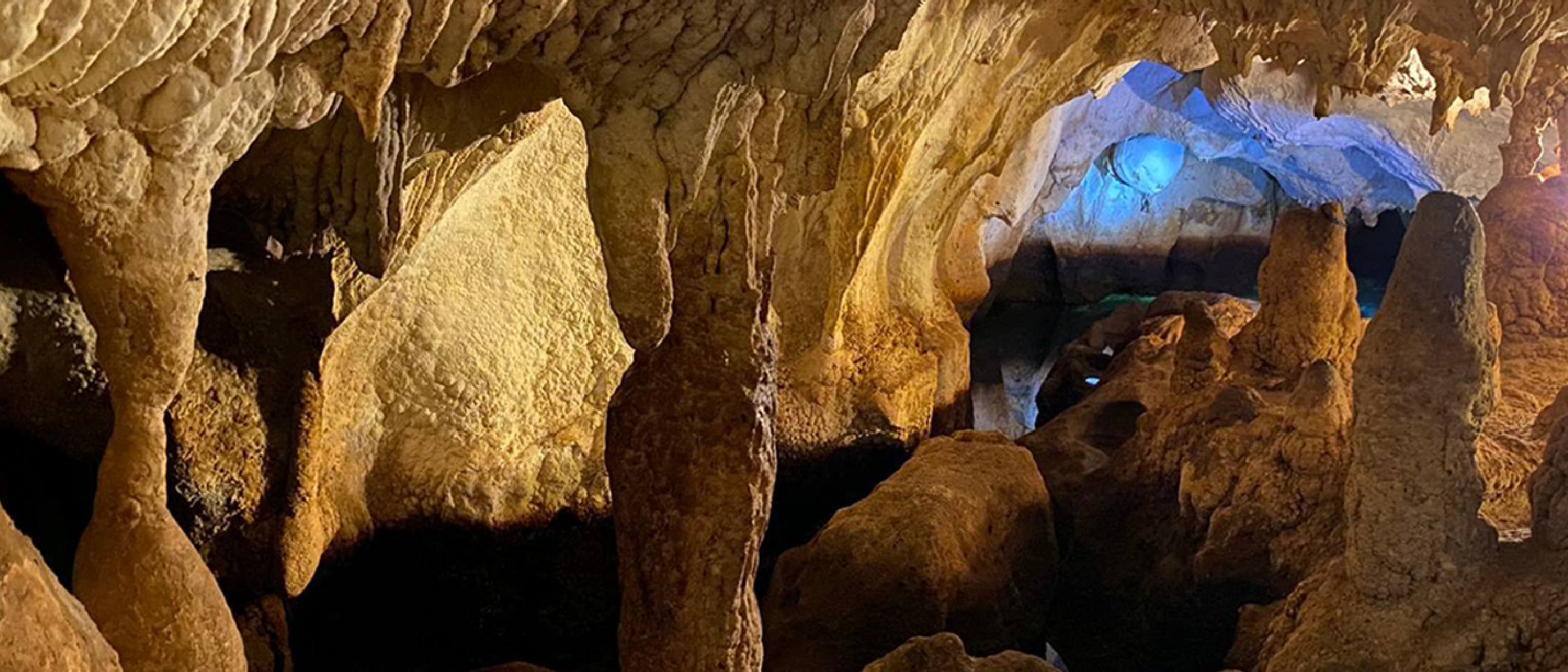
Karst processes occur across a wide range of scales in carbonate reservoirs, from dissolution-enhanced pores and vugs to meter-scale caverns. It is these larger, discrete features that interest us here. They can add significant pore volume and have a major…

Coring for beginners

It was the summer of 1989. After a year of kicking around the North Sea, for several reasons I ended up in a Toyota Land Cruiser a few hours south of Jebel Dhanna, United Arab Emirates. We approached a land…

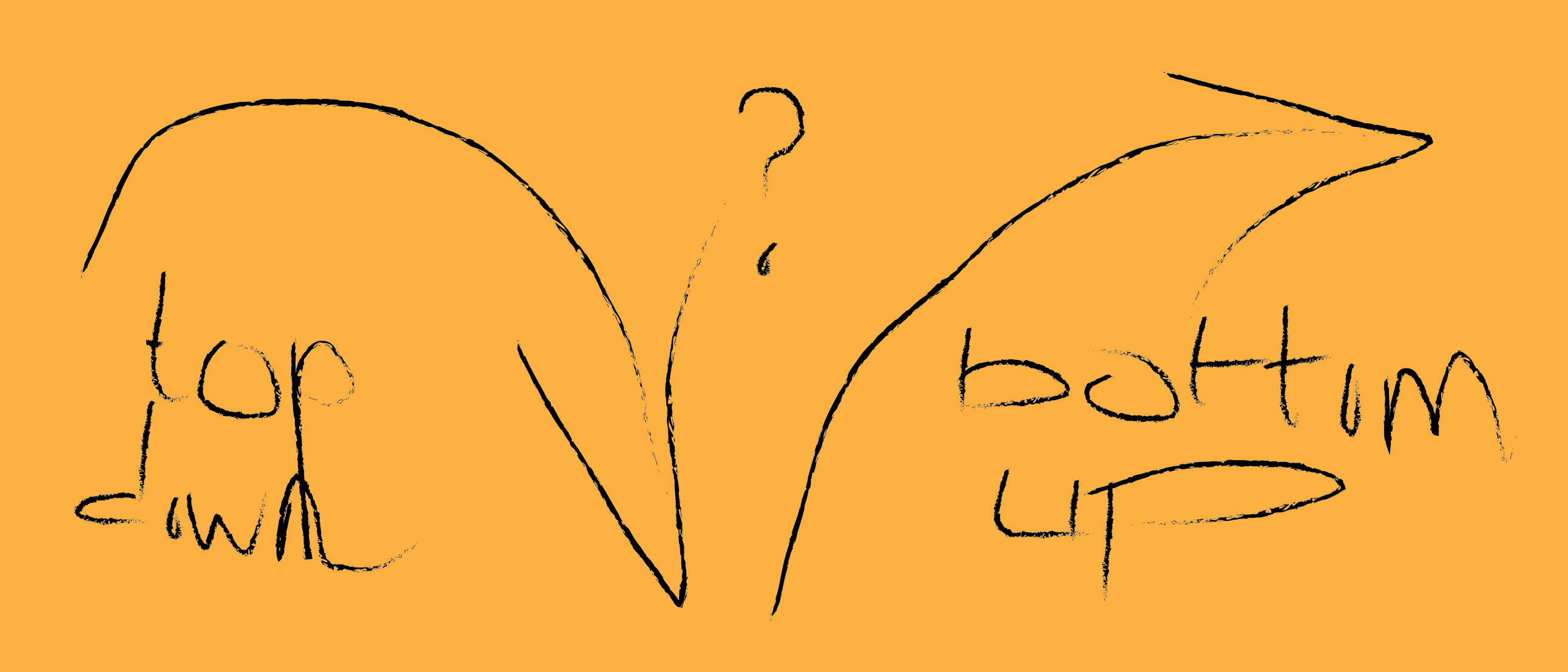
Top-Down and Bottom-Up

As exploration challenges become increasingly complex, two complementary workflows have emerged as the foundation of effective petroleum systems studies: bottom-up basin modelling and top-down fluid systems analysis. The traditional bottom-up approach reconstructs the geological evolution of a sedimentary basin through…

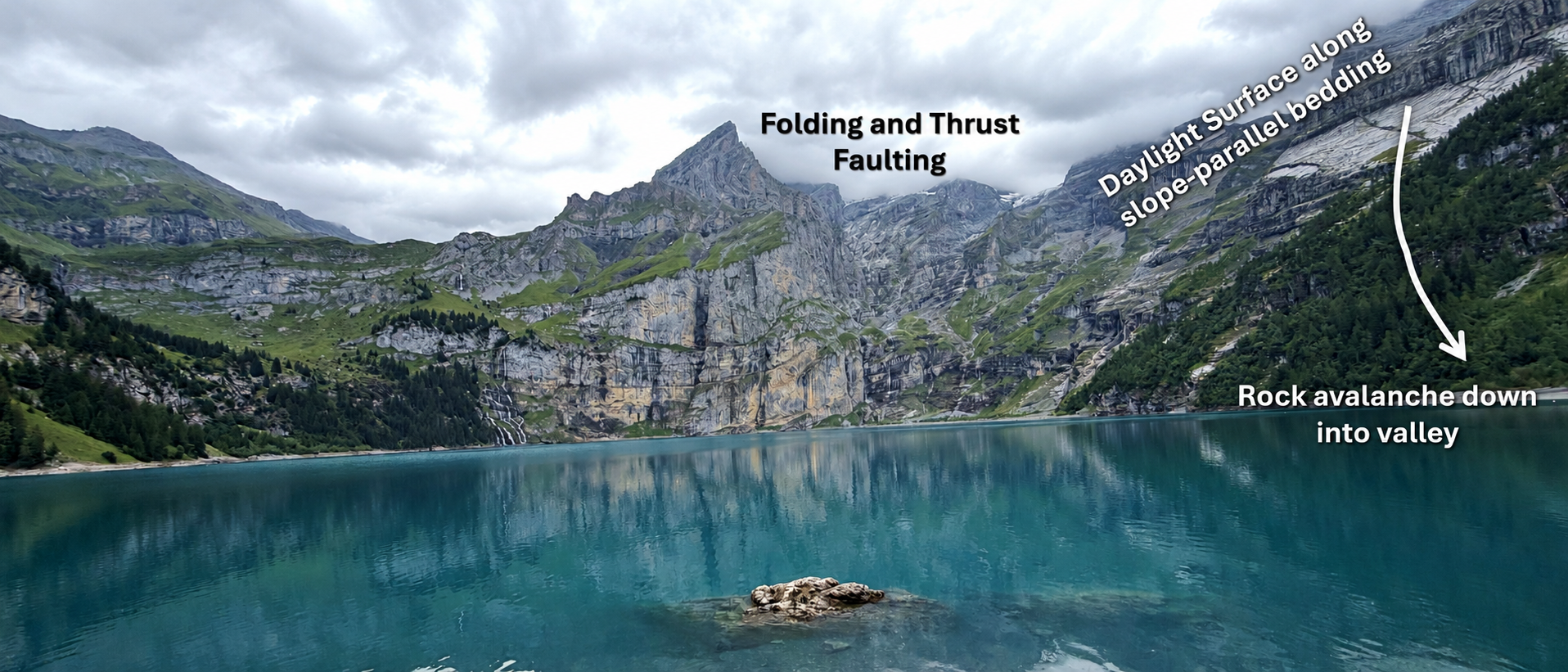
From thrust faults to landslides

As I hiked the trail around Lake Oeschinensee near Kandersteg, Switzerland, my attention kept drifting away from the brilliant turquoise water toward the towering limestone cliffs across the lake. The scenery is breathtaking, and it is easy to understand why…

The 1-meter sand that made the decisive call

“Multiple depositional systems can be responsible for creating the same sedimentary facies,” explains deepwater sedimentologist Wouter de Weger from the Earth Science Institute in Granada, Spain. “For that reason, when looking at an outcrop with a group of specialists, who…

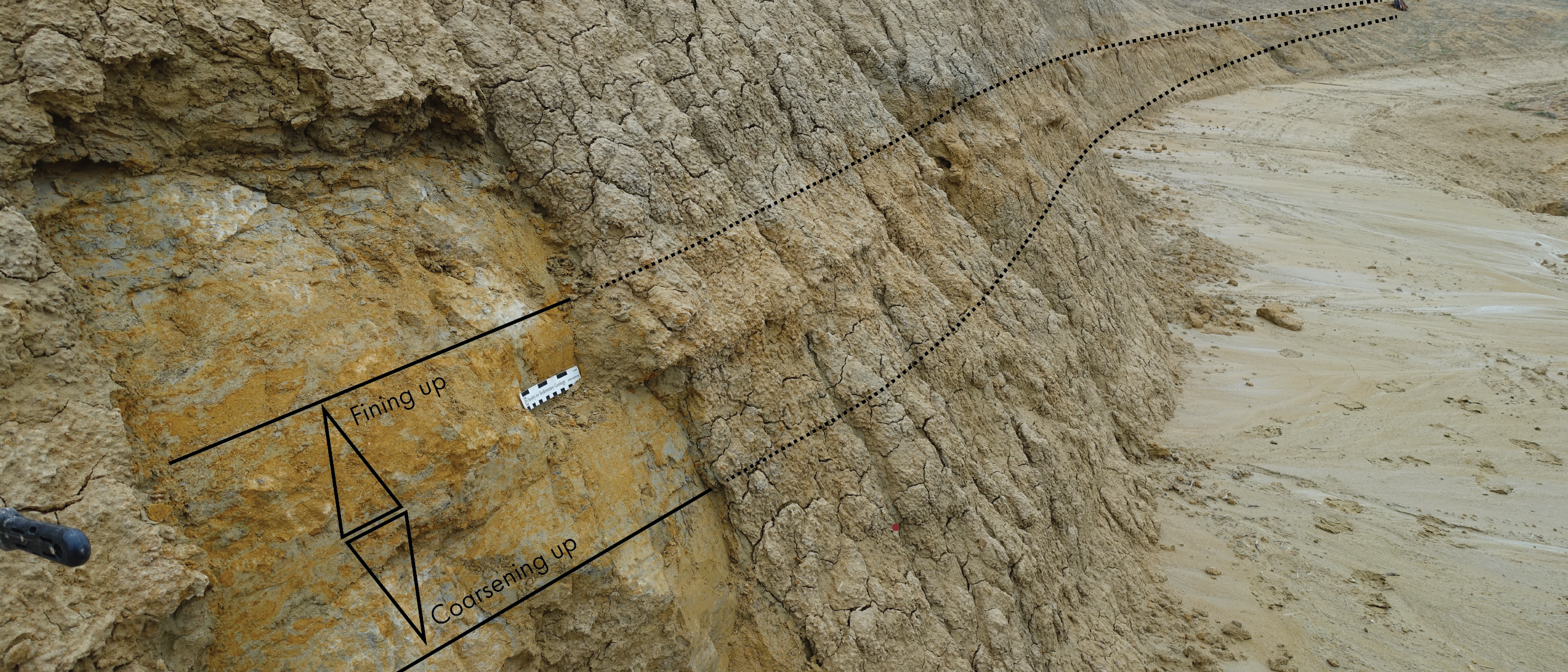
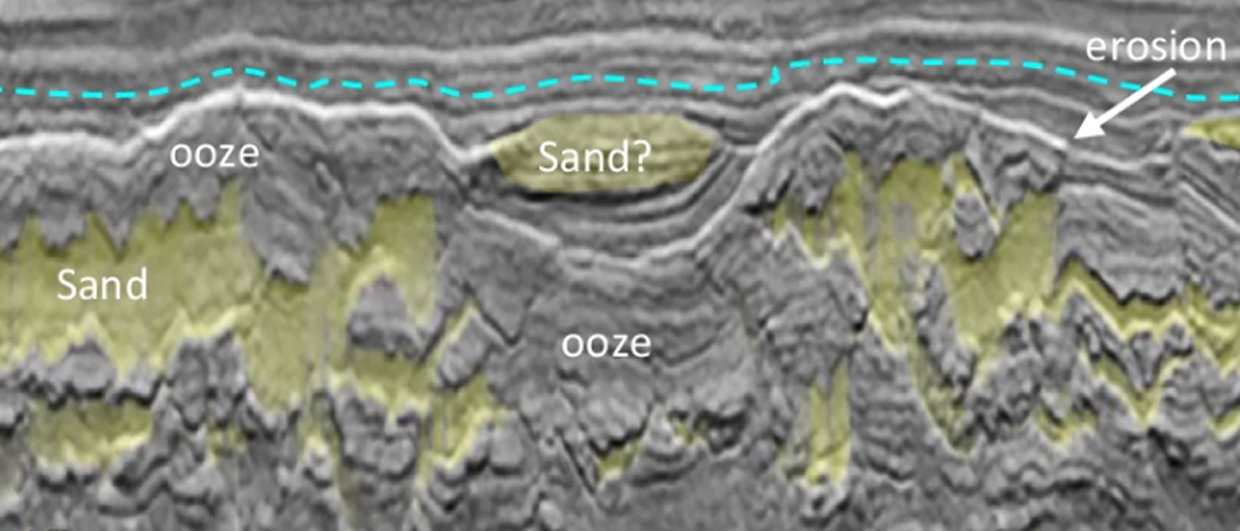
Up or down – in which direction did the sand go?

At the recent EAGE Annual in Aberdeen, I briefly met geologist Jan Erik Rudjord. He convinced me to see his talk on what he calls sinkites: Sands that have apparently sunk into the underlying strata. It was a new topic…

What else is hiding in your reservoir brine?

Lithium changed the way many people look at produced water. It forced us to admit that reservoir brines are not simply waste streams. They are geological fluids that have spent millions of years interacting with rocks. Once that idea is…

The sediment waves of Sangomar

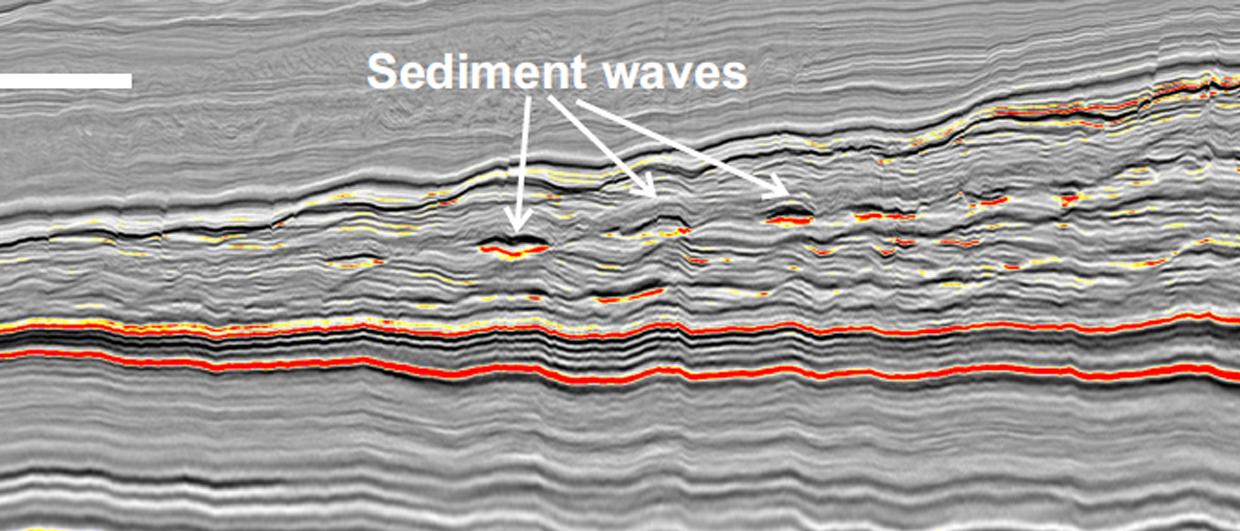
I always try to pen down the most important topics dis­cussed during conversations. And so it happened that I wrote down a few snippets fol­lowing a conversation with a geologist I spoke to in London earlier this year. She told me…

Know your faulted folds

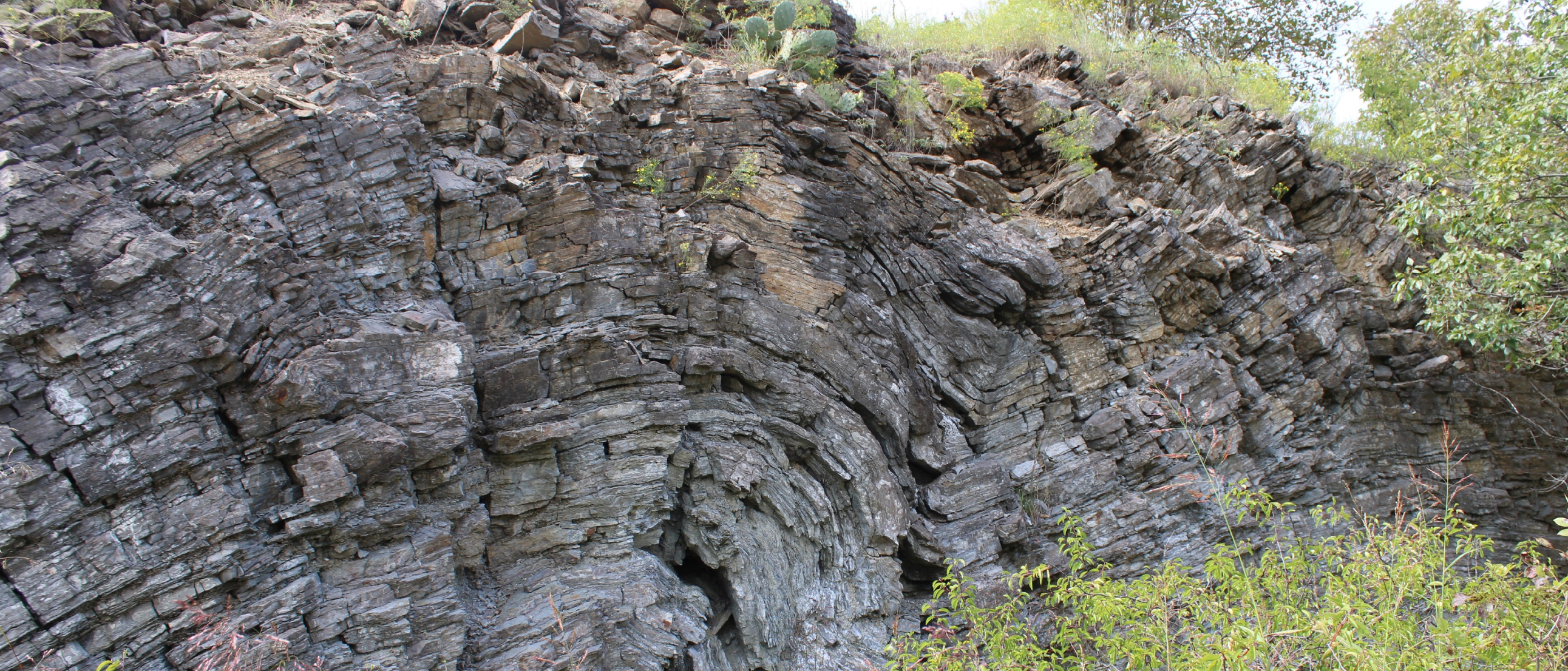
The concept of “mechanical stratigraphy” is a staple in structural geology, yet we often confine our focus to the small scale, analyzing how individual beds or fractures respond to stress. By scaling up this perspective, we can leverage stratigraphy as…

A conversation about contourites

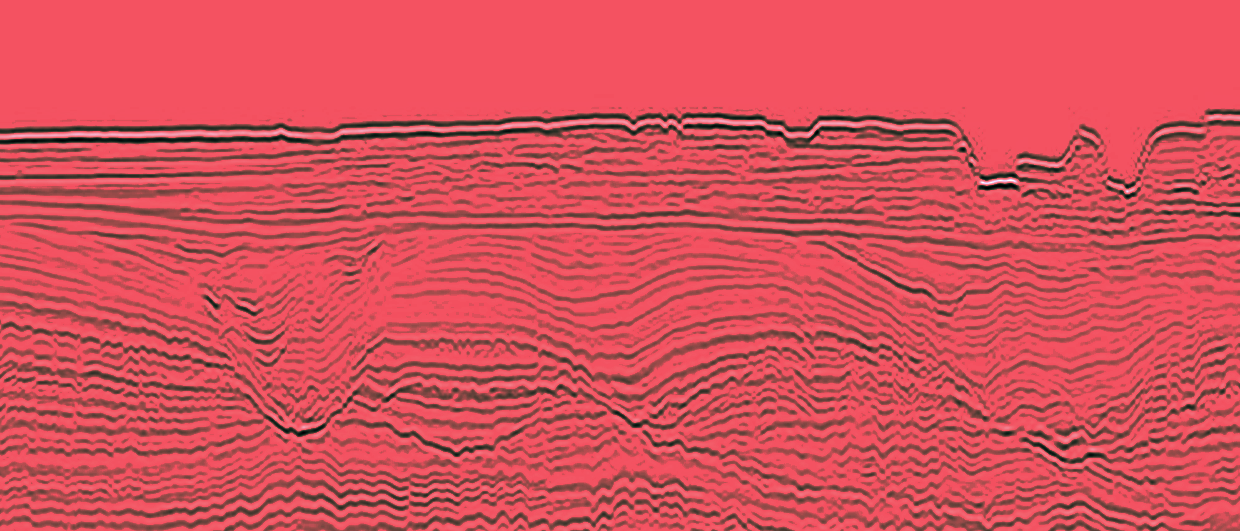
“Even in the chaos, there is an order,” says Sara Morgado Rodrigues when we have a call whilst she is working on a project in Buenos Aires, at one of YPF’s offices. Sara is a postdoctoral researcher at the Andalusian…

Argentina’s pioneers and the secret of Cacheuta

In April 1886, Carlos Fader and the Compañía Mendocina de Petróleo chose a remote spot in Cacheuta, near Aconcagua, the highest mountain in the whole of the Andes, to drill Argentina’s first commercial oil well. Armed with rudimentary machinery, they…