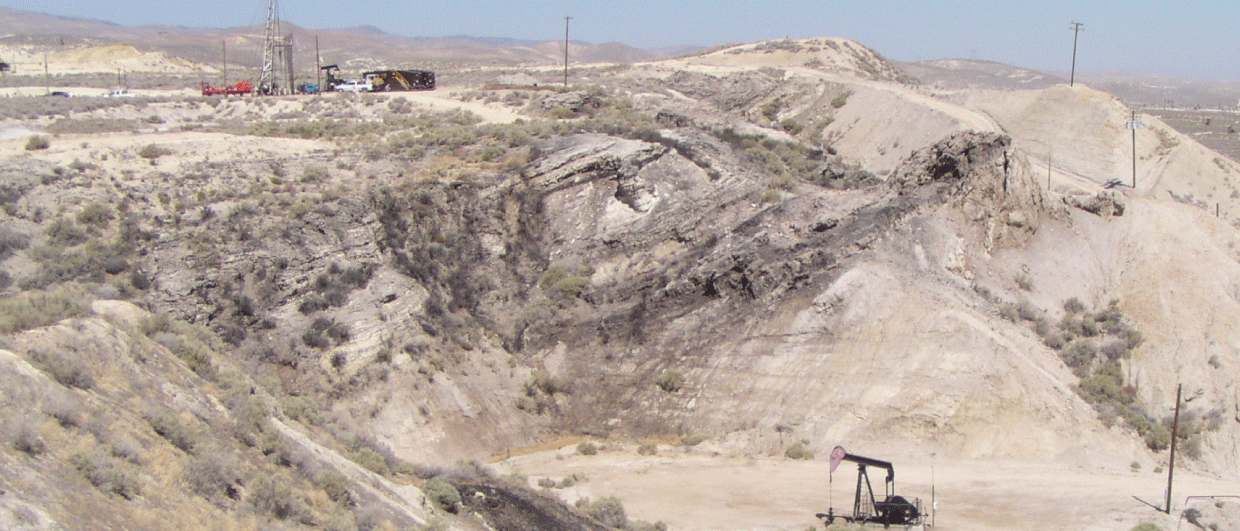
Photo: Thomas Davis.
Oil fault traps in California’s San Joaquin Basin
The role of active petroleum generation, heavy oil, and basin inversion

The San Joaquin Basin (SJB) is one of the world’s most prolific petroleum provinces and contains numerous oil accumulations that owe much of their trapping mechanism to faults. Unlike many light-oil and gas-prone basins where faults commonly degrade trap integrity, several characteristics of the SJB favour the development of fault traps that improve through geologic time. These include thick interbedded sandstone-shale successions, active petroleum generation dominated by Monterey Shale sourced heavy oil, and a tectonic setting that evolved from transtension to transpression adjacent to the San Andreas fault. Together, these factors allow faults to evolve from migration pathways into effective hydrocarbon barriers.
Pre-migration fault traps
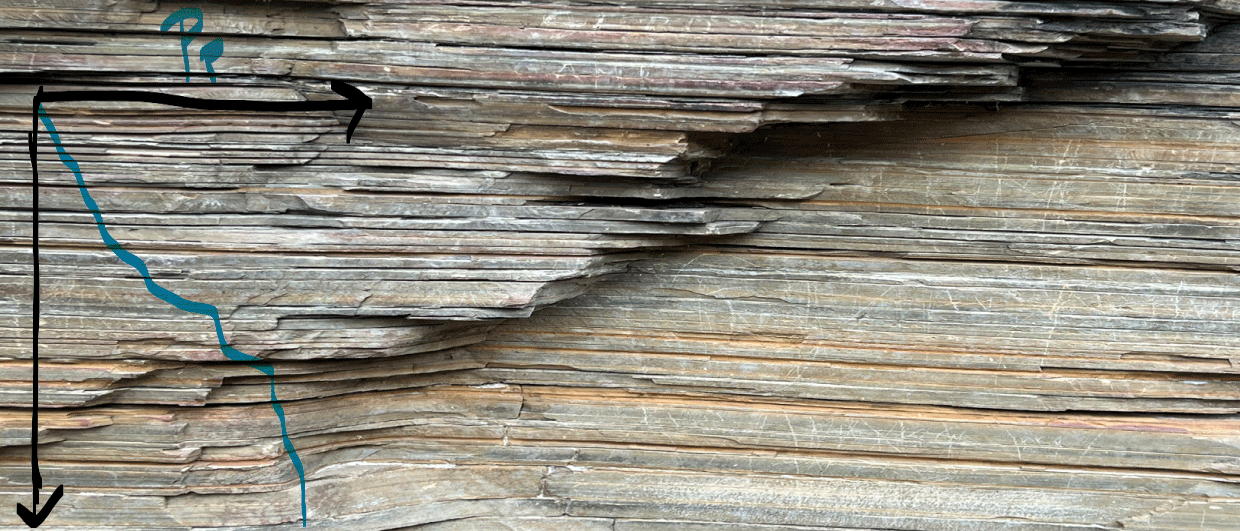
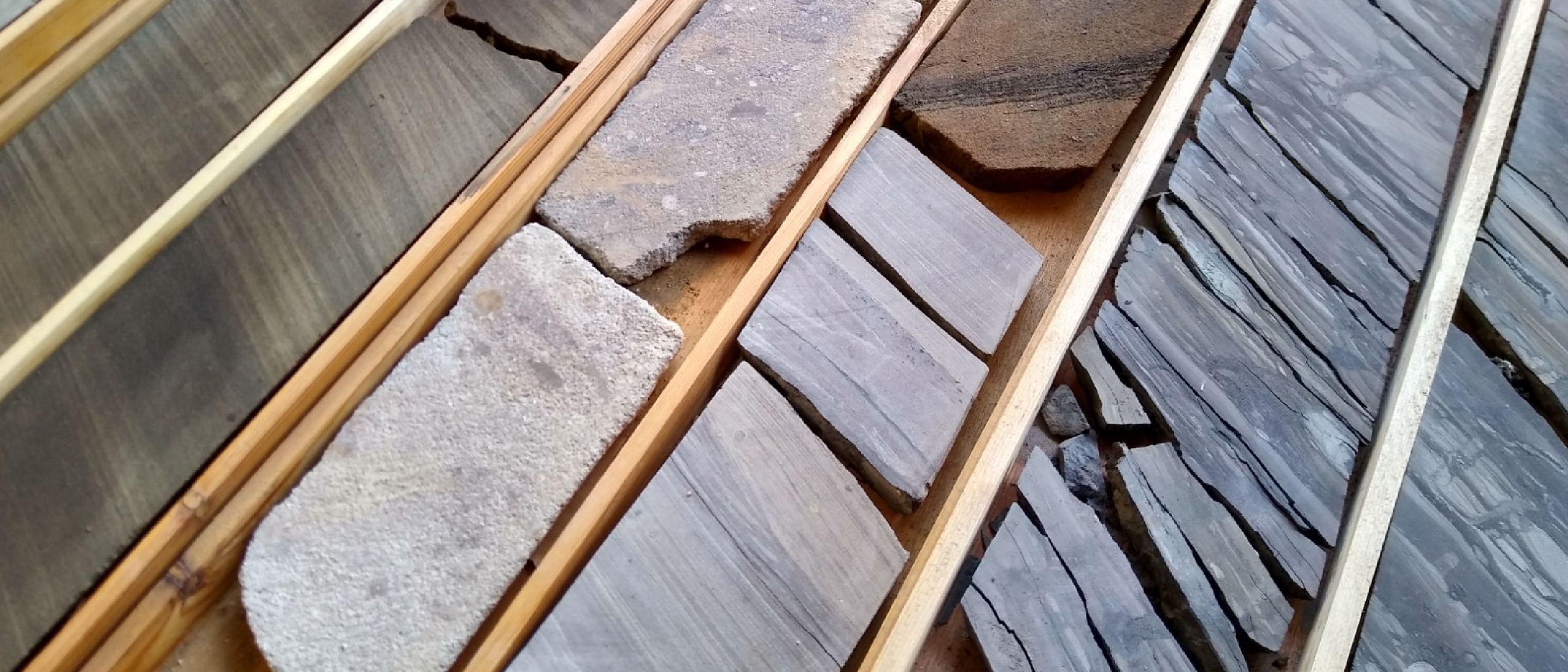
Due to the thick interbedded sandstone and shale sequences in the SJB, fault displacement often juxtaposes reservoirs against seals, entrains shale into fault zones, and produces clay-rich fault gouge. Continued displacement extends shale-smear zones along fault surfaces while cataclasis of sandstone generates fine-grained fault rock that further reduces permeability. The most favorable traps are commonly associated with faults that formed before major hydrocarbon migration and have accumulated significant displacement. During Oligocene and Miocene extension, numerous normal and oblique-slip faults developed across the basin. Many were accompanied by deposition of fine-grained growth strata in their hanging walls, providing additional sealing capacity through reservoir-shale juxtaposition.
Active petroleum generation and heavy oil
A defining characteristic of the SJB is its active petroleum system, where oil and gas generation, migration, and entrapment have continued throughout the basin’s recent geologic history. Light oil and gas migrate farther and faster than heavy oil and are therefore the first hydrocarbons to encounter fault barriers. Where seals are imperfect, lighter hydrocarbons commonly leak through microfractures and partially connected damage zones. As leakage occurs, the hydrocarbon residue in the fault zones becomes progressively heavier, more viscous, and an impediment to flow through the zone. Heavy oil has a key role in enhancing fault-trap integrity. Lower buoyancy forces and reduced mobility make heavy oils less likely to overcome capillary entry pressures within shale smear and fault gouge. Heavy oil further reduces permeability by occupying pore throats, increasing residual oil saturation, and promoting precipitation of asphaltenes and resins within the fault zone. These processes create self-reinforcing seals that will improve through time. Many SJB and other California oil fields have heavy oil, limited gas caps, modest oil columns, and exceptional longevity. Although high saline formation waters increase hydrocarbon buoyancy, this effect is commonly outweighed by the high-density and low-mobility of heavy oils. Burial depth further enhances seal capacity by reducing pore-throat size within shale smear and cataclastic fault gouge. Moderate burial depths of approximately 6,000– 10,000 ft commonly provide optimal sealing conditions because effective stress is sufficient to compact fault-zone rock without promoting widespread reactivation.
Basin inversion and trap evolution
Many of the most effective fault traps in the SJB are formed through tectonic inversion. Late Oligocene and Miocene extension generated normal faults that accommodated basin subsidence and commonly served as migration pathways during early petroleum generation. During displacement, these faults accumulated shale smear and cataclastic fault gouge. Beginning in the late Miocene, regional shortening associated with changes along the modern Pacific-North American plate boundary progressively increased horizontal compressive stress across the basin. Faults that once functioned as migration conduits became mechanically tightened. Increased normal stress reduced permeability, and enhanced fault-rock compaction. Many SJB fault traps represent inverted migration systems in which faults initially facilitated hydrocarbon movement and later evolved into effective trapping boundaries. The modern basin remains tectonically active. In strain-partitioned transpressional settings, strike-slip motion and shortening are localised onto separate fault sets. Older steeply dipping faults commonly experience increased compression normal to the fault surface, further enhancing shale-smear continuity and fault-gouge compaction.
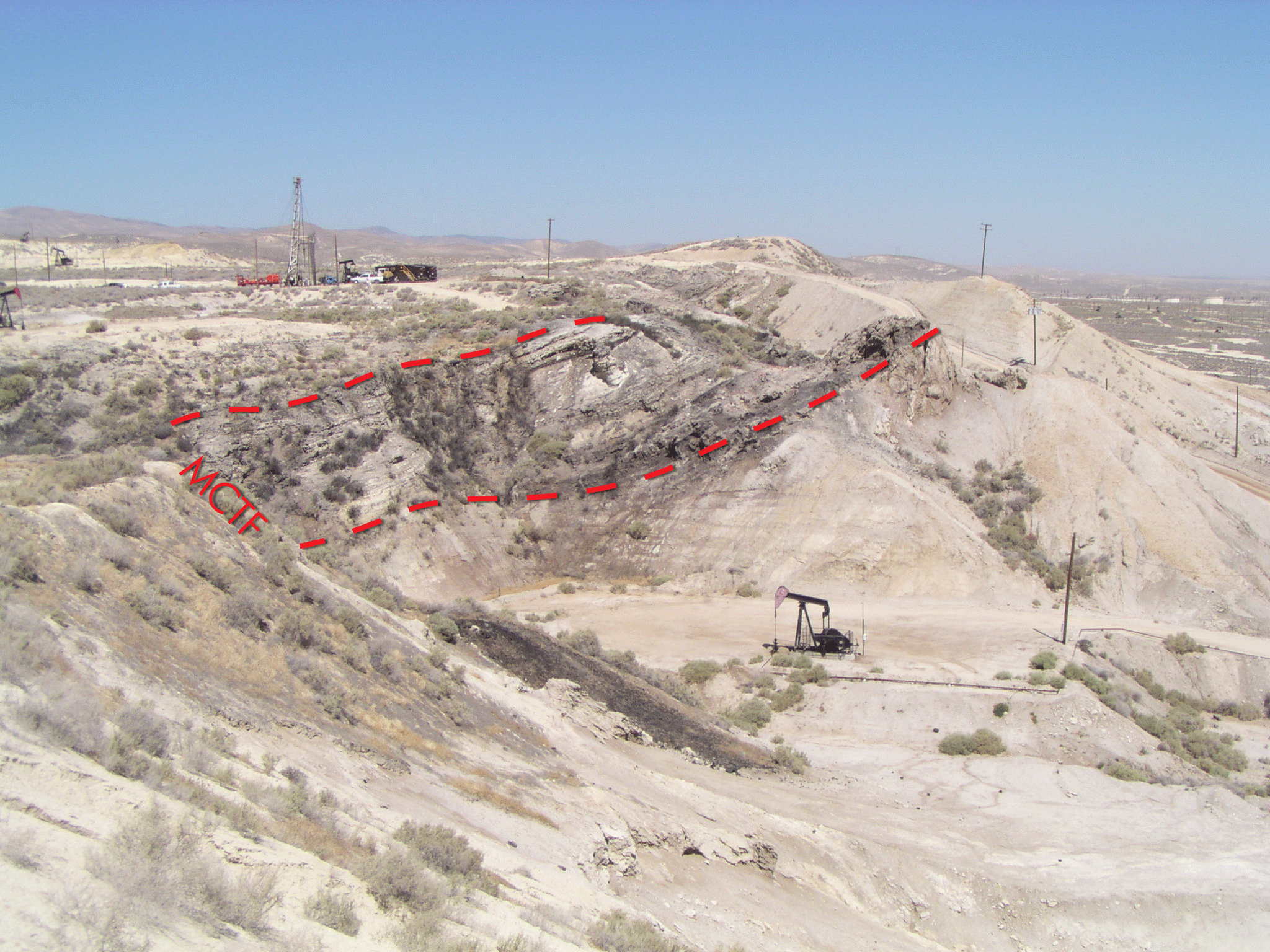
McKittrick Oil Field: two fault-trap styles
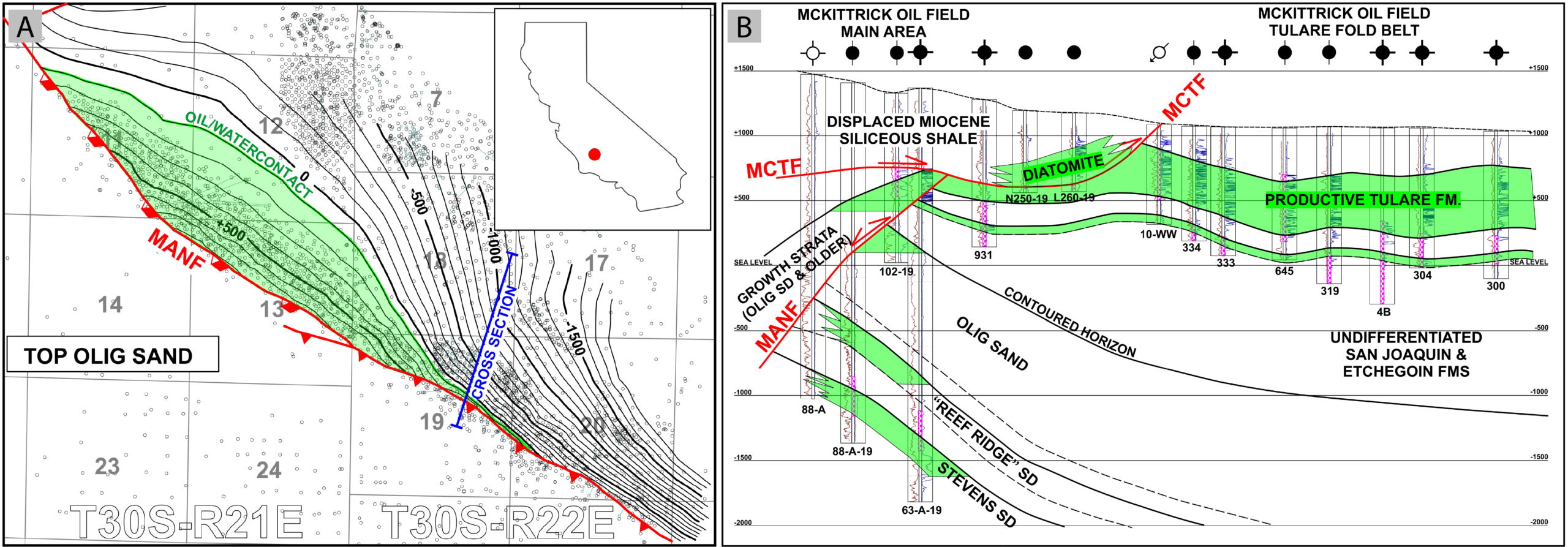
The McKittrick Oil Field provides an excellent example of fault-trap evolution. The shallow Main Area Pool is trapped against the McKittrick Thrust Fault. The fault may have had recent prehistoric movement, yet its thick fault zone, cataclastic and clay-rich, is heavily oil-impregnated. Oil is trapped in footwall reservoirs beneath the thrust, while limited quantities of very heavy oil have leaked into the hanging wall to form a near-surface pod and an extensive surface brea. The fault acts as a dynamic, partially sealing barrier. A second and deeper trap occurs along the Main Area Normal Fault (MANF), an older extensional structure beneath the thrust. Thick fine-grained growth strata deposited in the hanging wall provide an effective cross-fault seal, while juxtaposition of reservoir intervals against shale-rich strata further enhances trapping. The MANF represents a classic example of an extensional fault that evolved from a migration conduit into an effective hydrocarbon barrier.
Implications
Similar fault-controlled accumulations occur throughout the western SJB, including portions of the Cymric, South Belridge, Midway-Sunset, Lost Hills, and numerous smaller fields such as Pleito. The SJB demonstrates how interbedded sandstone-shale successions, active heavy-oil charge, and tectonic inversion combine to create long-lived hydrocarbon traps. Conditions are unique, but not uncommon worldwide, and provide trapping opportunities that would not be viable in many other oil provinces. In addition to the SJB and other California basins, these favourable conditions exist in Lake Maracaibo and Orinoco Heavy Oil Belt Venezuela, Trinidad, Llanos Foothills & Middle Magdalena Valley Colombia, Sureste Basins Mexico, Western Canadian Basins, Zagros Fold & Thrust Belt Iran, Sumatra & Java Basins Indonesia, Bohai Bay Basin China. Our observations are directly applicable to prospect evaluation and field development in active petroleum systems within active tectonic settings worldwide.