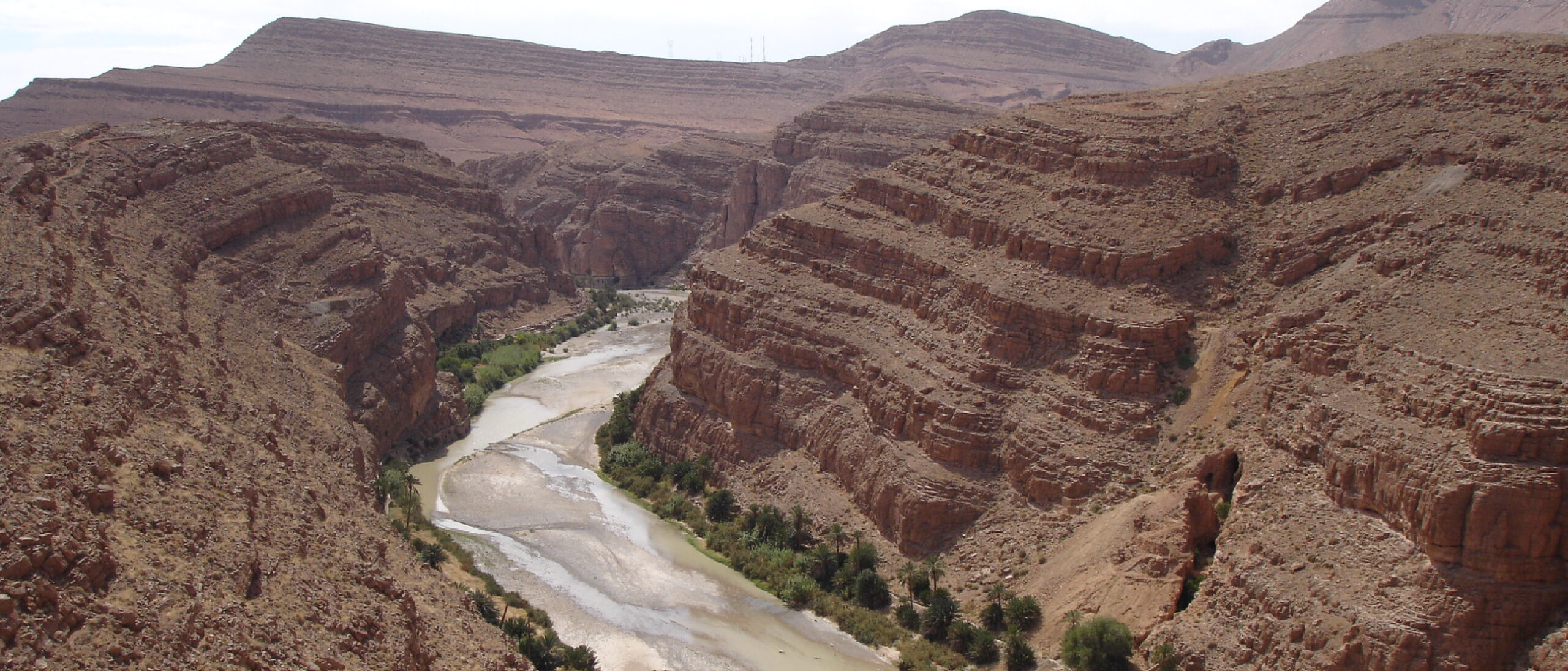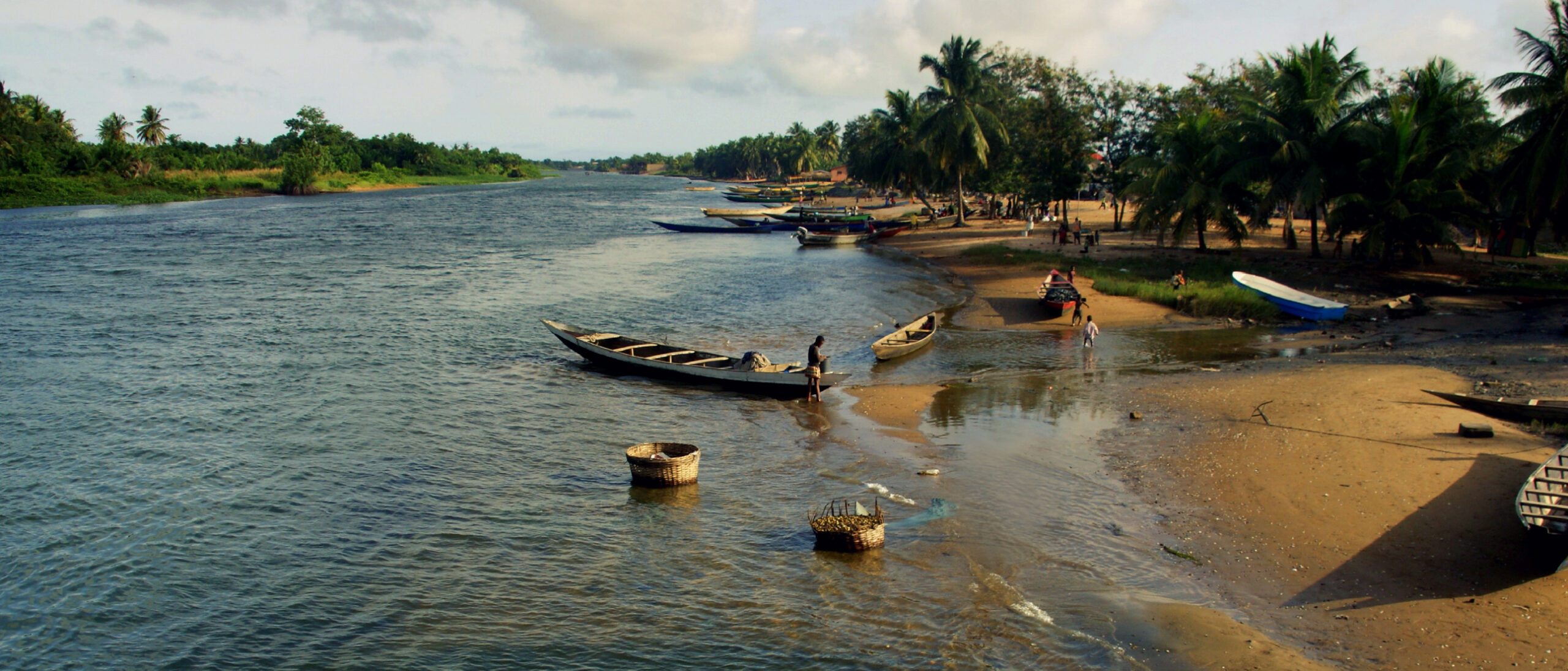
Volta River in southern Ghana. The Voltaian Basin is named after the river running through it. Photo: Thomas via Adobe Stock.
Ghana’s next frontier: The Voltaian Basin
A conversation with Michael Aryeetey, CEO Exploration and Production at Ghana National Petroleum Corporation (GNPC), and nominee for the Africa Oil Week 2026 Exploration Award


Hydrocarbon exploration in Ghana is entering a new stage: After two decades of offshore success, attention is shifting inland, towards the vast and little‑understood Voltaian Basin. Michael Aryeetey, Deputy Chief Executive for Exploration and Production at the Ghana National Petroleum Corporation (GNPC), has witnessed first-hand how the country has evolved from non-producer to major player and explorer.
Aryeetey was forced into the oil industry by the collapse of the gold price in 1999. “Many young geologists in Ghana’s mining sector, including me, lost their jobs,” he recalls. That downturn pushed him to pursue a Master’s degree in Petroleum Geoscience in Norway. When he returned to Ghana, GNPC was the only organisation recruiting geoscientists with his new skillset. He joined as a Petroleum Geologist in 2004, just as the country’s upstream sector was preparing for its breakout moment.
Ghana’s offshore Tano basin has delivered more than twenty‑five discoveries since 2007, including the Jubilee, TEN, and Sankofa‑Gye Nyame fields in the Mahogany and West Cape Three Points Cretaceous fan systems. The past 7 years saw a gradual shift from oil to natural gas production. Natural gas, once treated as a waste product, now dominates Ghana’s energy mix. Production has risen from 280 MMscf/d in 2019 to around 400 MMscf/d in 2026, while oil output has declined from 195,000 bopd to roughly 130,000 bopd over the same period.
Aryeetey is candid about the challenges Ghana’s upstream sector has faced for over a decade: declining investment, stalled exploration, and regulatory bottlenecks. But he sees clear signs of recovery. Ghana’s Petroleum Commission highlights a projected US$1.8 billion in upstream investment in 2026, more than double the previous year. Multiple operators, including Eni, Tullow, Planet One, AMNI, and OPCO, have offshore drilling campaigns scheduled for 2026–2027. Three supermajors have expressed interest in acquiring new acreage.
Much of this momentum stems from Ghana’s ongoing fiscal and regulatory reforms. Aryeetey urges policymakers to “continue the reset agenda” by approving legislative reviews that streamline licensing, reduce bureaucratic delays, and enhance transparency. These reforms, he argues, are essential to sustaining investor confidence and accelerating exploration, both offshore and onshore.
Ghana National Petroleum Corporation is transforming bytes of data into real-world barrels of oil
So what is the onshore potential? The Voltaian Basin, covering nearly 40% of Ghana, is one of West Africa’s largest unexplored basins. Apart from an unsuccessful wildcat well, Premuase-1, drilled by Shell in 1977, no wells have been drilled to date. Early suspicions of the prospectivity of the basin arose in the 1950’s and 60’s, when Soviet geologists drilling for water encountered traces of oil and gas in some of the boreholes.
The basin formed during the Pan African Orogeny, around 600 Ma, as a result of the collision between the stable West African Craton and the Pan African Mobile Belt. The up to 6000 m thick sedimentary infill varies from shallow marine to continental deposits, ranging in age from Precambrian to Paleozoic.
For more than a decade, GNPC and its E&P subsidiary, Explorco, have led a systematic, multi‑disciplinary programme to de‑risk the Voltaian basin. Aryeetey has been closely involved in this long‑term effort. “The geological structures identified and the integration of the many acquired datasets have led me to believe that the Voltaian Basin will be the next big development,” he says.
Explorco will drill two exploratory wells in the last quarter of 2026, marking the first deep tests of the basin’s petroleum potential. Other operators, including Menxons and Bay Veritas, are also planning exploration wells in the Voltaian basin. In other words, there may soon be confirmation whether Ghana can add substantial onshore resources to its proven offshore reserves.