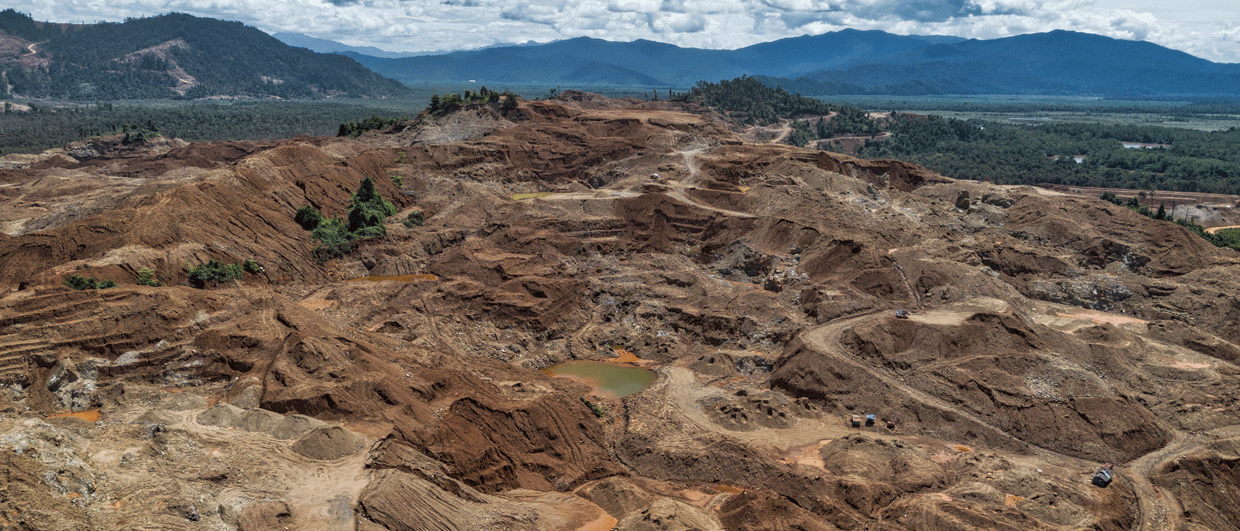
Nickel laterite mine in Sulawesi, Indonesia. Photo: Erberto Zani via Adobe Stock.
Do we need seabed minerals?
In order to move away from fossil fuels, we need large numbers of magnets and batteries to capture and store renewable energy. To manufacture said equipment, substantial quantities of metals and Rare Earth Elements (REE) are required. The question is, where should these metals come from? Are terrestrial reserves sufficient, or is it time to add marine resources to the mix?

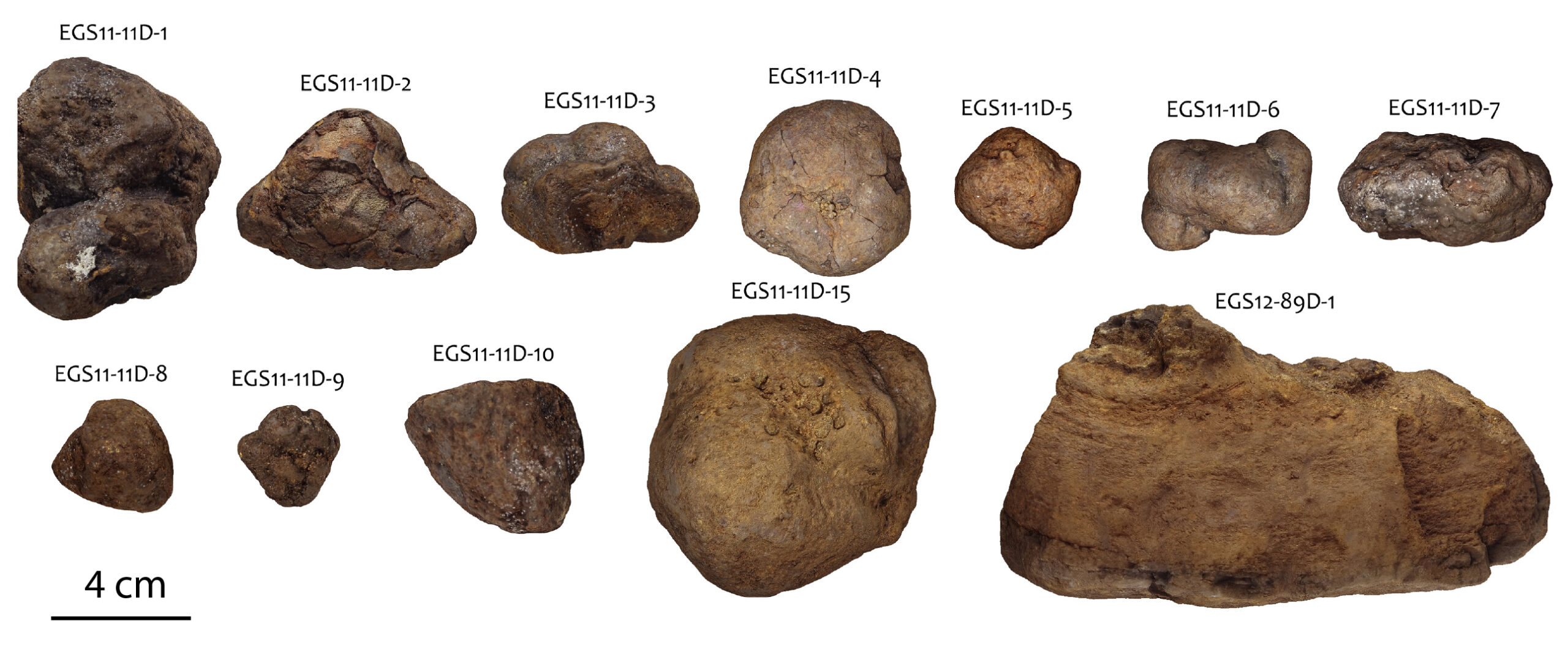
The debate on this topic is fierce. The Metals Company, who are gearing up to harvest polymetallic nodules from the abyssal plain, argue that even though terrestrial deposits can meet demand, the economics of extracting them are less favourable. Seabed minerals tend to have higher metal grades, meaning that smaller volumes of rock can be mined and processed with the same result.
Metals and REE are not mined evenly around the globe. For example, the USGS reports that 69% of REE are extracted in China, 74% of cobalt in Congo and 67% of nickel in Indonesia. Seabed mining could be a way to diversify the market for many of the elements needed in the energy transition.
Although the International Seabed Authority has yet to give the green light for mineral exploitation in international waters, in the long run this could open up reserves to countries that lack direct access to particular elements. That said, countries with a maritime border can already mine the Exclusive Economic Zone that extends 200 nautical miles from their shoreline.
Yet, mining within national waters has barely taken off. Is this a sign that exploration and extraction technology are not yet fully mature? Or can the costs of seabed mining not compete with traditional mining?
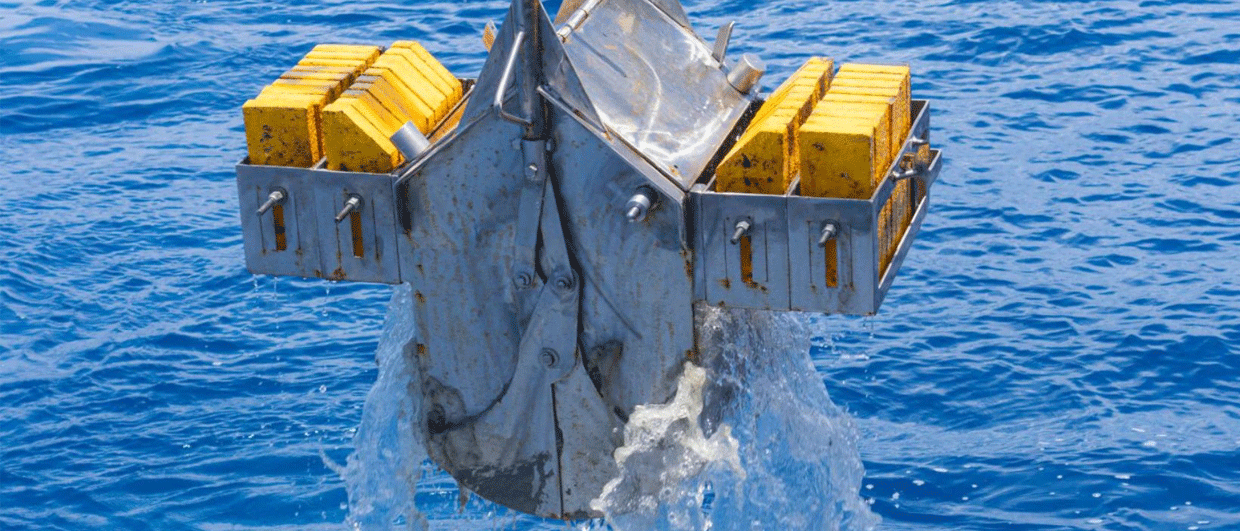
Allseas, the owner of the world’s first deep-sea mining vessel, plans to charge around $150 per wet tonne of nodules extracted. In Indonesia, miners are paid $57 per wet tonne of 1.5% grade ore through nickel laterite mining. Although the extraction of polymetallic nodules from great water depths is more expensive, the overall higher metal content could make up for it. Nodules from the Clarion – Clipperton zone have a rough composition of 1% nickel, 29% manganese, 1% copper and 0.2% cobalt, whereas Indonesian laterite contains, apart from nickel, 0.02 to 0.1% cobalt. It will depend on the exact ore composition and the fluctuating metal prices which option is most lucrative.
Another potentially competitive option is urban mining, a fancy term to describe recycling of rare metals and REE from electronic devices and other anthropogenic waste. However, because the energy transition is only gearing up, a stock of critical minerals still needs to be built up to facilitate metal flows for recycling. For example, the first generation of EV batteries is expected to reach the end of their life after 2030, opening up the opportunity for larger-scale recycling at that point. The International Energy Agency (IEA) estimates that significantly scaling up recycling could reduce the need for newly mined minerals by 40% for copper and nickel and 25% for cobalt by 2050.
It remains to be seen how desperately we need seabed minerals and whether extracting them from kilometres below sea level is economically feasible at all. Maybe we are better off upping our game mining landfills.