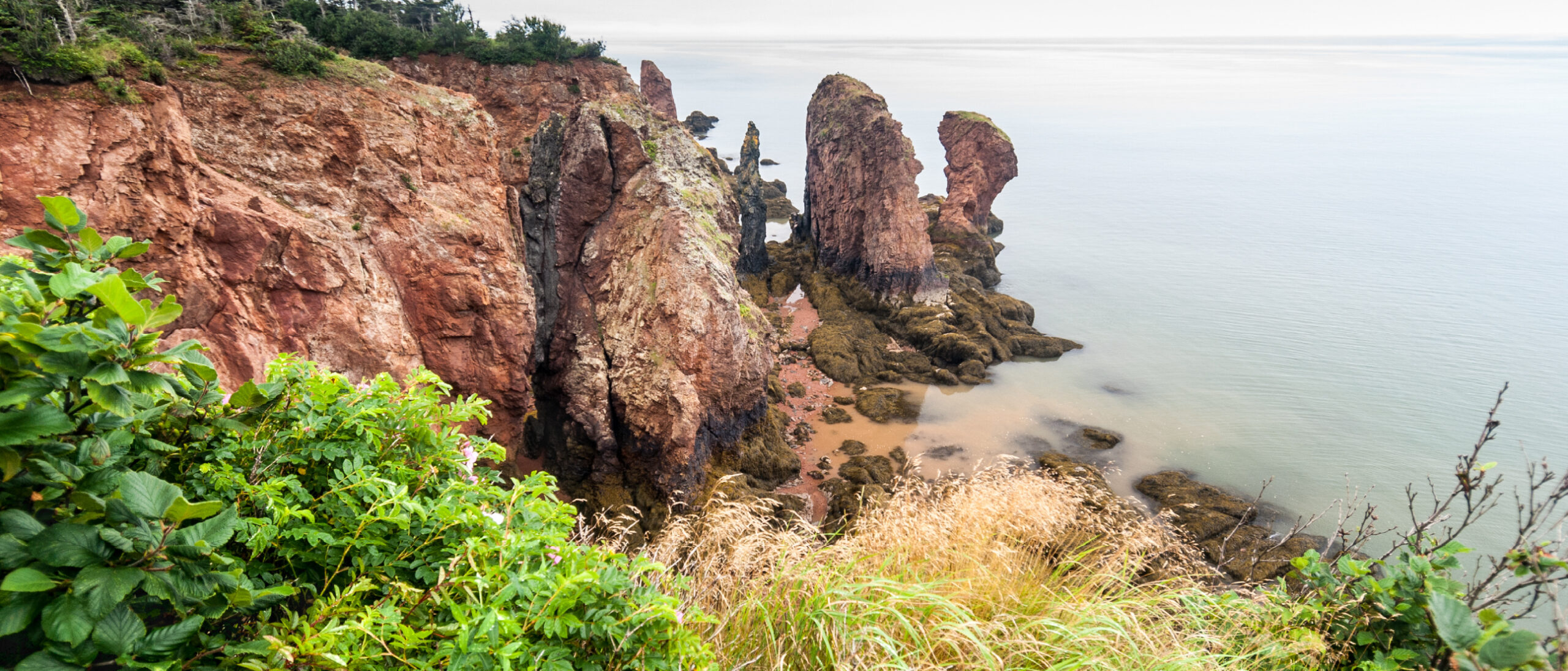
Caption: Grasslands National Park. Photo: jkgabbert via Adobe Stock.
Is helium the bonus or the business?
Multiple natural hydrogen explorers are planning to produce co-occurring helium as an upside. But is helium not the more lucrative gas? Why aren’t these companies exploring for helium and then using any potential hydrogen to power their operations?

Gold Hydrogen started exploration on the Yorke Peninsula in South Australia on the back of a legacy hydrocarbon well. They had a clear lead on hydrogen, but they also found exceptionally high helium concentrations. An independent commercial assessment now indicates that helium production at the Ramsay Project might be commercially viable. The results of the imminent flow test will determine whether Gold Hydrogen fast-tracks helium-focused production while pushing natural hydrogen opportunities to the medium or long-term.
At the same time, MAX Power has also started with hydrogen exploration, but in an area that is known for its helium. That begs the question: Why? Their Grasslands license, on the Canadian side of the Saskatchewan-Montana border, is flanked on three sides by production wells from North American Helium and situated within a known helium fairway that stretches into the USA. Yet, the recent Bracken well was first and foremost a hydrogen exploration well. Steve Halabura, Chief Geoscientist at MAX Power, said in an email to us: “At this point, our focus is clean energy.”
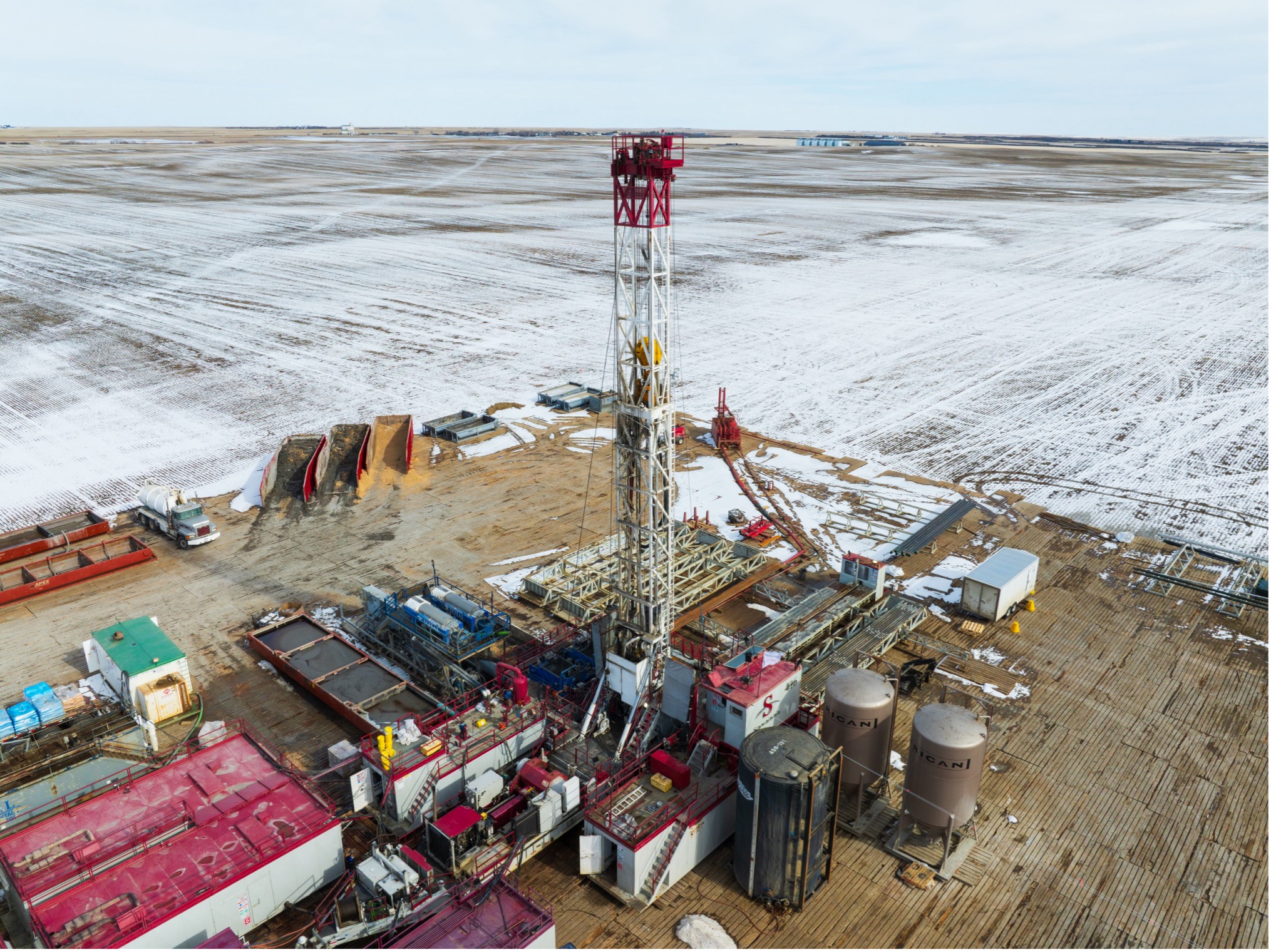
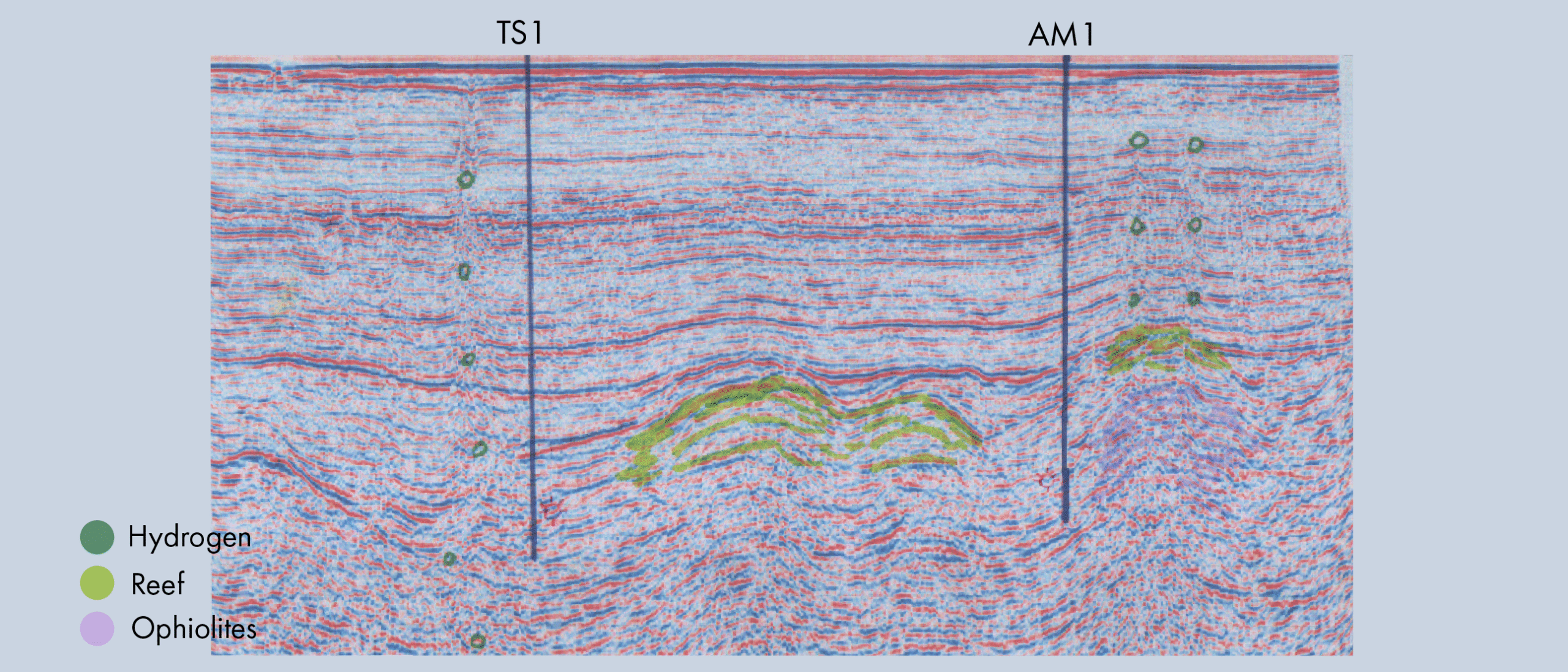
The prompt to explore for hydrogen came from an accidental and initially overlooked hydrogen discovery made four years ago during helium drilling. The current Bracken well is located about 10 km to the south-east and is the first dedicated hydrogen (or helium) well on the Grasslands acreage. Bracken was drilled earlier this year to a depth of 2,600 m, reaching the Precambrian basement. The encountered basement rocks are favourable for hydrogen formation via serpentinisation and / or radiolysis, and gas anomalies during drilling included hydrogen signatures well above background level.
The overlying Basal Cambrian Deadwood sandstone is one of the formations North American Helium produces from. At Bracken, hydrogen and helium were observed during drilling, although testing will need to determine the reservoir quality. Devonian carbonates are another proven helium-bearing reservoir in the region. The Devonian will be a primary focus during the upcoming well testing program.
With little technical details supplied by MAX Power, it is hard to determine whether this is a hydrogen prospect with helium upside or the other way around. However, the company is already banking on producing both gases. Max Power’s model shows the theoretical impact of value-added helium to the natural hydrogen find. Halabura: “We are about to test Bracken and determine the nature of what we believe to be a natural hydrogen and helium system. The anticipated gas stream will consist of economic amounts of each.”
However, a commercially viable natural hydrogen reservoir needs a much larger volume of free gas than a helium reservoir. MAX Power’s first well, Lawson, albeit 325 km to the north-east, found an aqueous reservoir. The much-anticipated well testing at Bracken should bring clarity as to which gas or gases can be economically produced here. But for now, MAX Power can hold out hope of becoming a clean energy provider. Or it may also evolve into a helium business as their Australian colleagues have already shown, demonstrating that helium is a bit more than a bonus.