In the previous article, we talked about geology being the ultimate scorekeeper and that what exists is not the same as what we can use. This time, I want to take that a step further. Because between what exists, what…
IT’S NOT ALWAYS A MATTER OF VISION Sometimes it is worth flicking through the notebooks that I keep in my drawer. A few years ago, after interviewing someone about exploration drilling in Libya, I wrote down how the company Lasmo,…
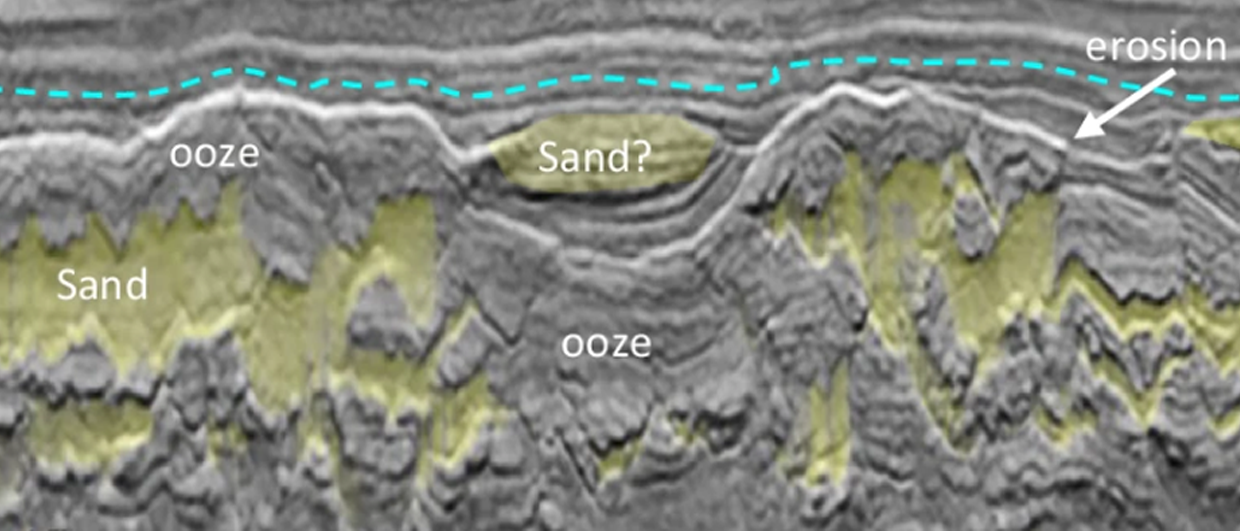
At the recent EAGE Annual in Aberdeen, I briefly met geologist Jan Erik Rudjord. He convinced me to see his talk on what he calls sinkites: Sands that have apparently sunk into the underlying strata. It was a new topic…
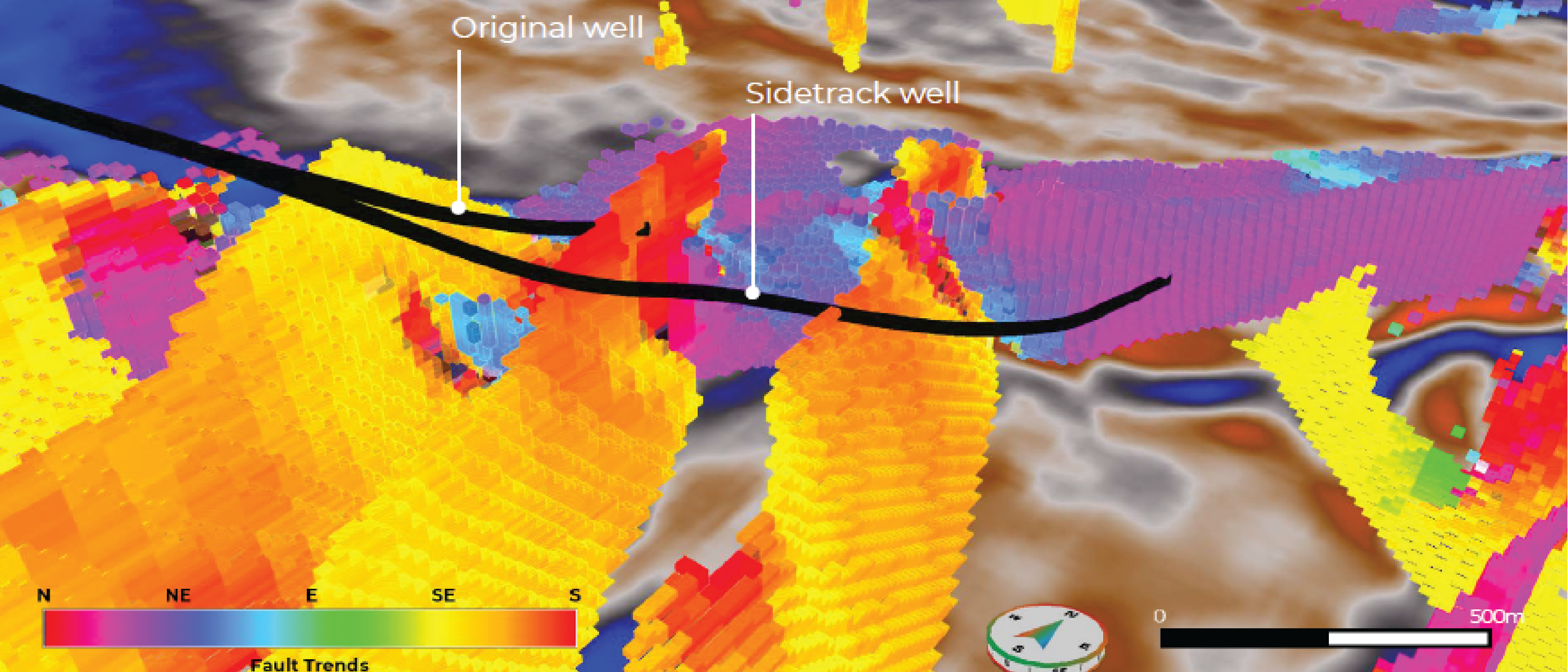
Once a depleted oil or gas field is selected as a candidate for a possible CO₂ storage project, a first-pass well integrity study is often carried out to assess and rank wells according to the containment risks they may pose…
“Even in the chaos, there is an order,” says Sara Morgado Rodrigues when we have a call whilst she is working on a project in Buenos Aires, at one of YPF’s offices. Sara is a postdoctoral researcher at the Andalusian…
The Hanged Man card from the Tarot’s Major Arcana. Illustration: GiftedMG via Pixabay. I was a board member of a small oil company, and we were sent on public relations training. My assessment included the following: “Under no circumstance should…
Found in 1975 with the drilling of well 210/25-1, the Tern Field was one of the major Brent discoveries in the UK Northern North Sea. Over the decades, a total of 77 wells were drilled in the field – four…
One of the most common ways to estimate YTF is the extrapolation of discovery rates, as can be calculated from a creaming curve. However, this methodology does not have any guidance on discovery size – is it just a single…
“It was a new thing to us,” says Lilly Walker from RFD when we meet on what is her Wednesday afternoon in Perth, Australia. Lilly is a geologist and joined RFD’s Australia team a little more than a year ago.…
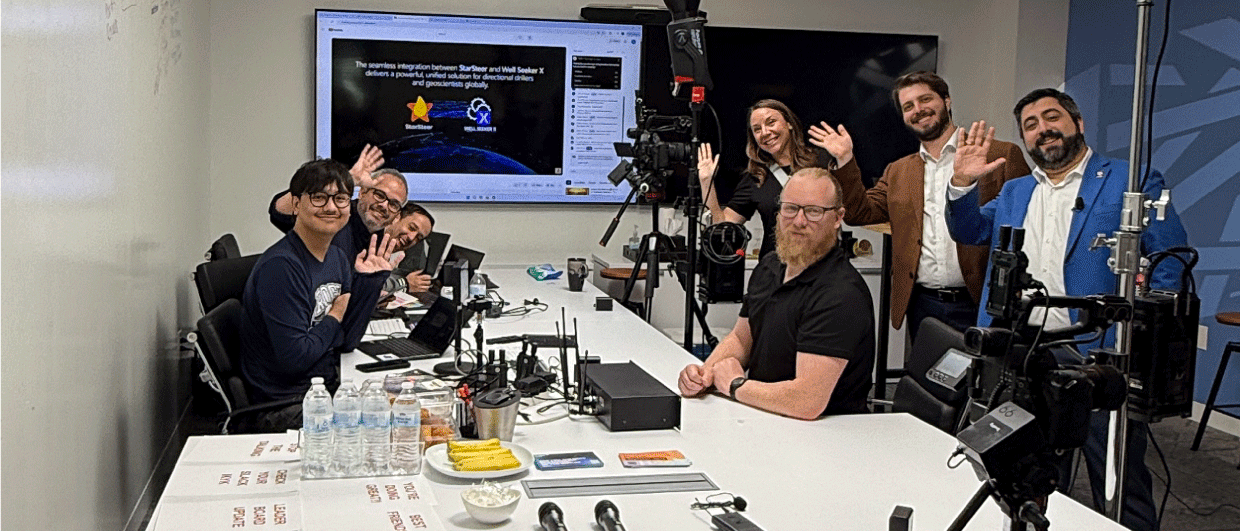
For geosteering geologists, few experiences can replicate the pressure of making critical decisions while a well is being drilled. The 2026 Geosteering World Cup (GWC’26) puts those skills to the test in a global, competitive environment and gives geologists a…
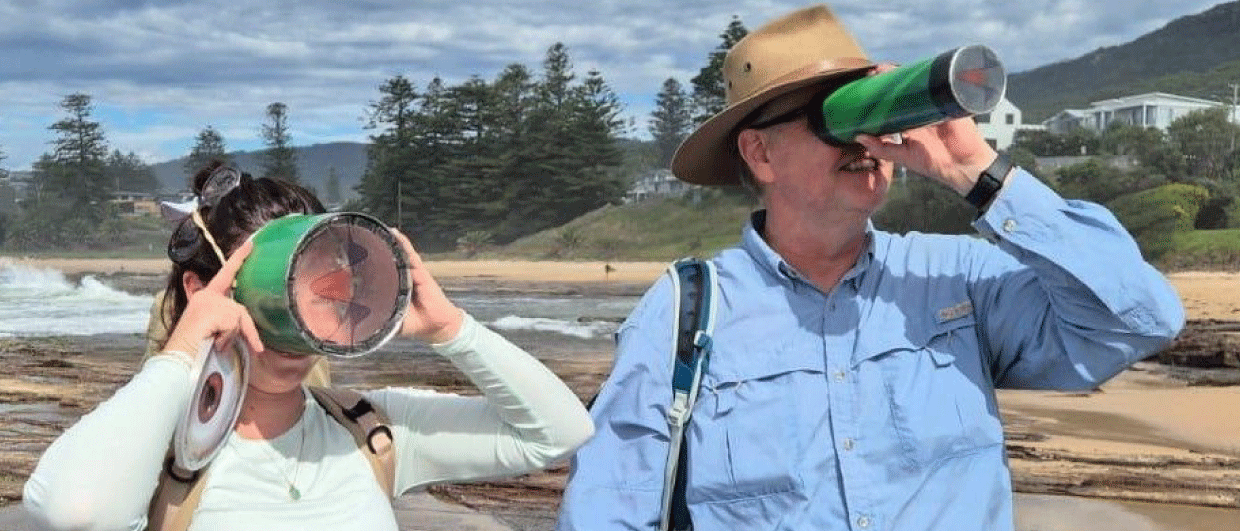
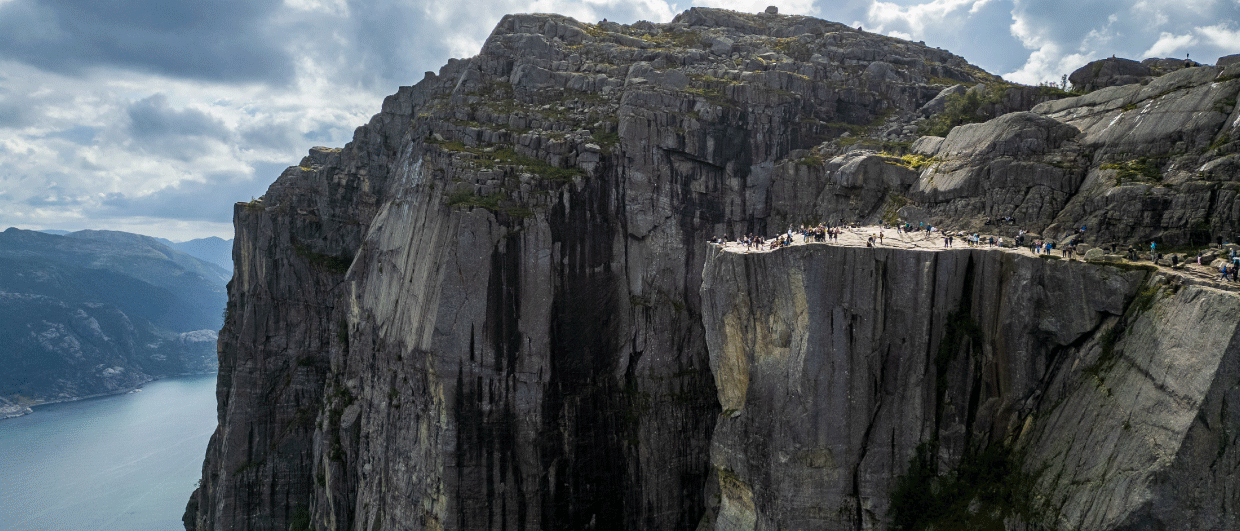
What seems like an oil seep on a rock face, especially from a distance, can equally be the result of chemical weathering. When these types of rock coatings, which can be found across a wide range of settings, are misinterpreted…
THE REALITY BEHIND PRESS RELEASES Talking to people is still the best way to find out what really happened when a well has been completed. “We drilled hundreds of meters of shale,” an exploration geologist recently told me about an…