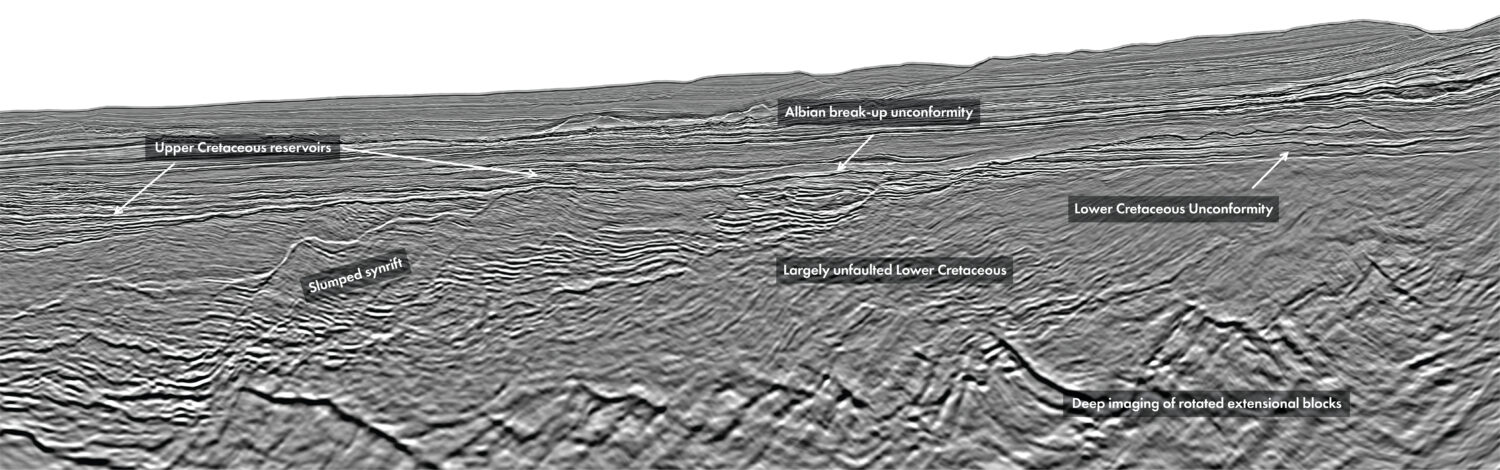
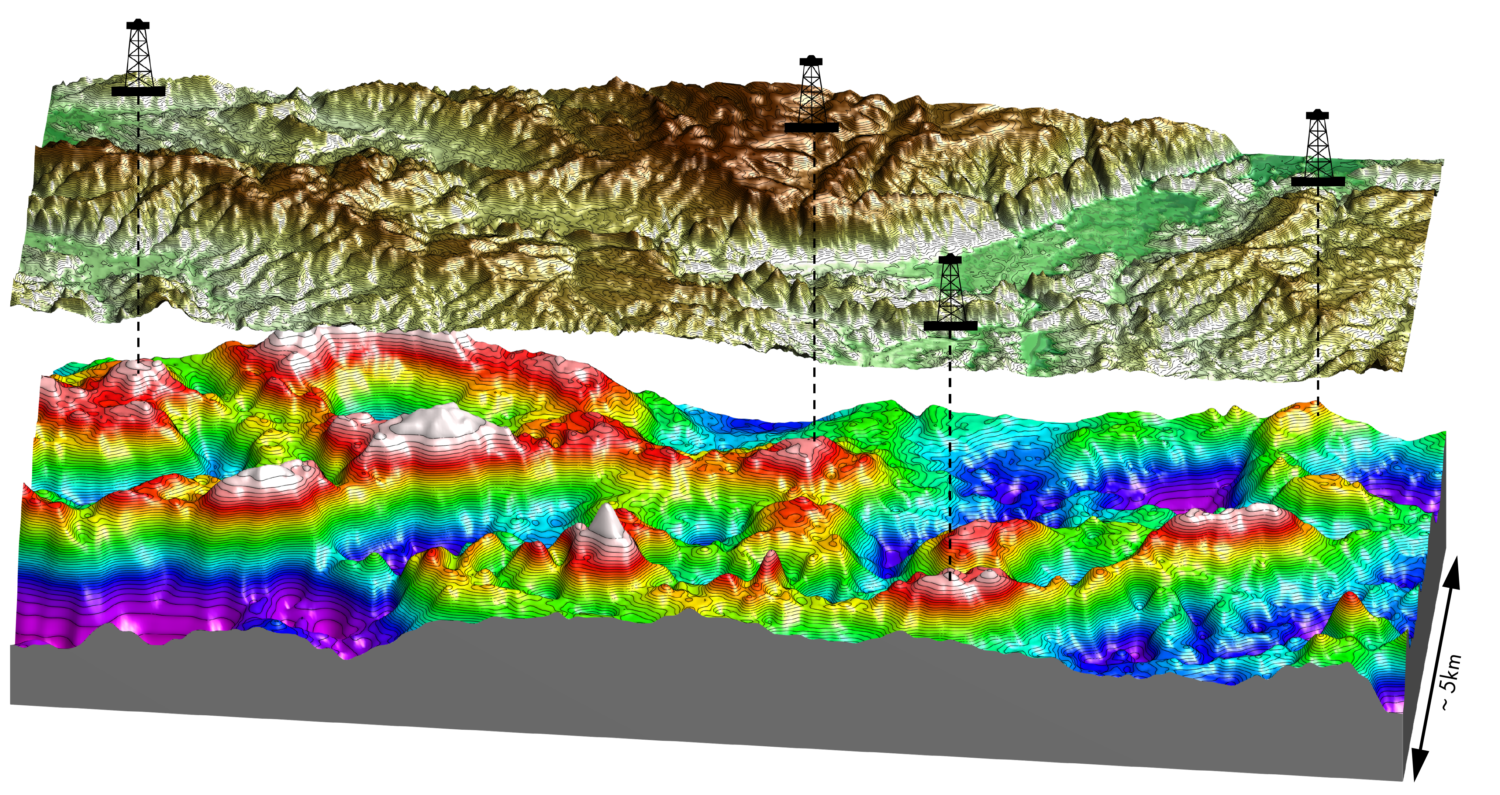
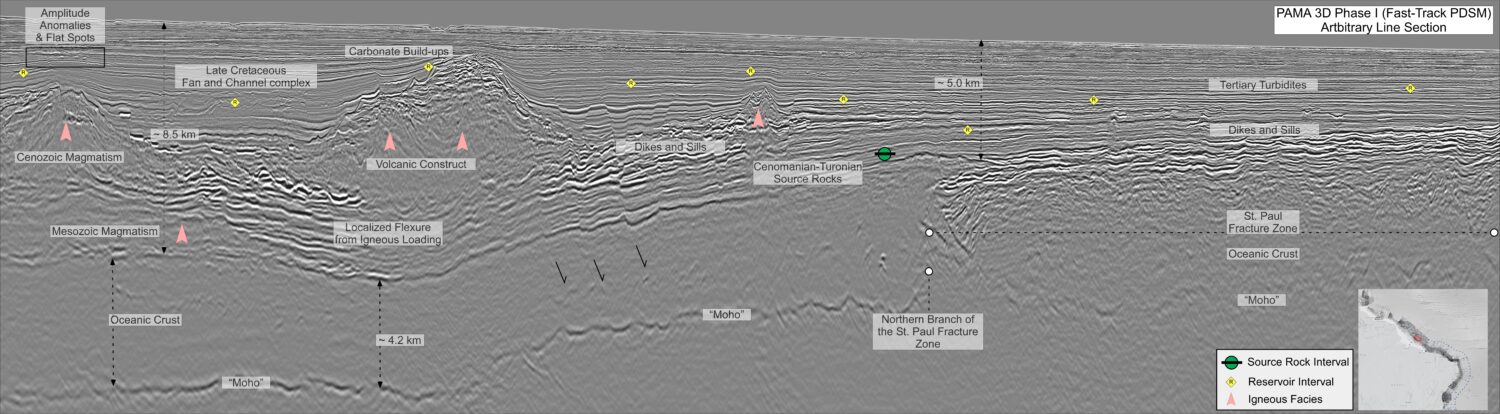
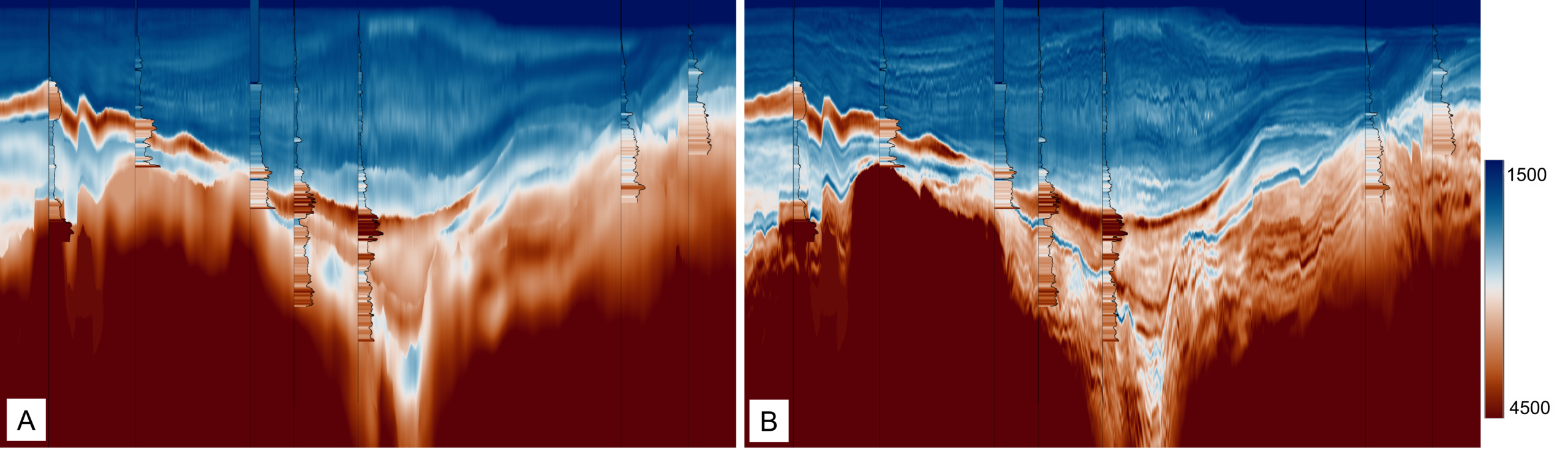
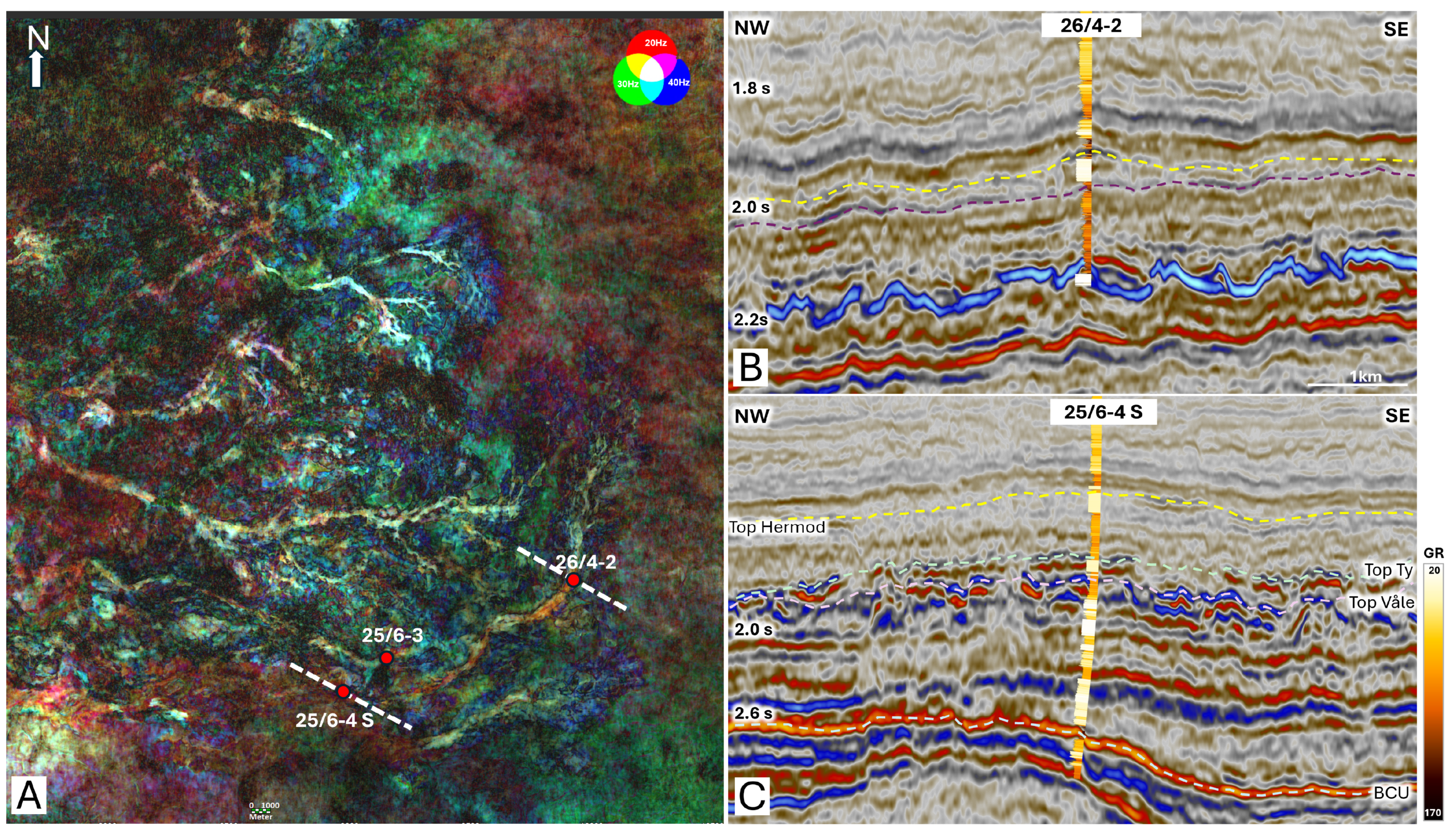
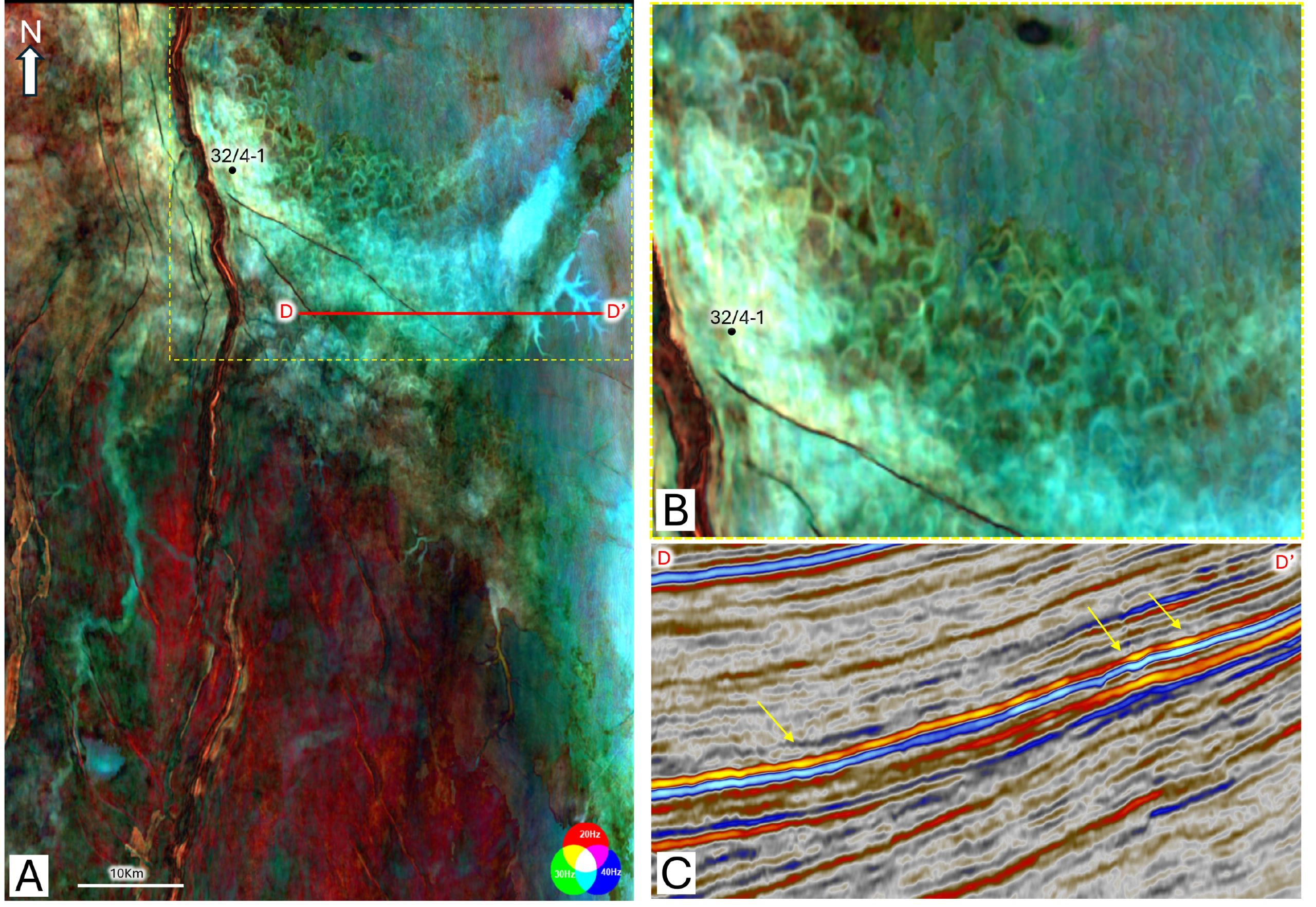
High-quality subsurface imaging, especially of the shallow stratigraphic section, is critical to the success of CO₂ storage projects. In 2014-2018, Viridien began acquiring a regional broadband 3D seismic survey in the Northern Viking Graben (NVG). This regional dataset covers the Horda Platform in the north and Stord basin in the south, as seen in Figure 1 below. This dataset has been reimaged with Viridien’s latest proprietary technologies through continuous development, as industry demand for higher-quality data has grown. The newly reimaged NVG data (see map) reveals potential opportunities in semi-open aquifers with substantial storage capacity in the Stord Basin, where suitable reservoirs and seals may enable efficient injection and trapping of CO₂. Carbon storage licensing on the Norwegian Continental Shelf has gained momentum, highlighting its role in the energy transition. Legacy seismic data, originally acquired for oil and gas exploration, is a valuable asset for assessing carbon storage reservoir potential. Maximising the value of this data plays a critical role in de‑risking the carbon storage workflow, including site selection, design, and monitoring Carbon capture and storage has emerged as a critical technology to achieve the goals of the UN Climate Change Conference (COP21) Paris Agreement. Storage in saline aquifers on the Norwegian Continental Shelf (NCS) has proven to be an attractive solution. The first CO₂ storage license, EL001 (Northern Lights), was awarded in 2021. Since then, several CO₂ exploration licenses have been granted across the Horda Platform and Stord Basin. The limiting factor regarding CO₂ storage in most geological formations is not the capacity of the reservoir itself, but the volume of CO₂ that can be injected over a given period (Duval et al. 2024 and Valluri et al. 2021) and the geomechanical properties of the reservoir and seal to ensure containment. Detailed mapping of potential reservoir and seal units to identify the best location for CO₂ injection is therefore crucial for a successful storage project. To address these needs, Viridien has reprocessed the 2014-2018 north–south acquired Northern Viking Graben (NVG) streamer legacy data, targeting key challenges specific to CO₂ storage. Applying advanced proprietary imaging workflows and technologies, such as debubbling and full-waveform inversion (FWI), has produced a higher-resolution volume with sharper fault delineation and an improved velocity model, thereby enhancing identification of both reservoir and seal units for CO₂ storage. The updated velocity model with time-lag FWI (TLFWI) frequencies up to 15 Hz (Figure 2) provides a more accurate basis for seismic depth conversion, essential for CO₂ storage, where all major decisions rely on correctly resolving the true depth and geometry of subsurface structures. These improvements support a more robust quantitative and qualitative interpretation, as demonstrated across multiple key storage systems. In addition, high-resolution and well-calibrated velocities are a critical input to pore pressure prediction workflows. The Paleogene sand successions that host the Hermod, Heimdal and Ty reservoirs rank among the most prolific hydrocarbon-bearing intervals in the North Sea, offshore Norway. In the Stord Basin, well data, as seen in wells 25/6-3, 25/6-4 S, confirmed the presence of high-quality reservoir sands within both the Hermod and Ty Formations. These Paleogene sands have been identified by the Norwegian Offshore Directorate (NOD) as promising candidates for saline aquifer CO₂ storage. The Hermod Formation is composed of sand-rich submarine fan deposits, overlain by the mudstone-dominated Sele Formation, which acts as the main regional seal. The RGB color blend (Figure 3A) highlights a complex network of channels and channelized lobes, with sediments sourced from the west. These channels and lobes contain good-quality sands, as demonstrated by well 26/4-2 (Figure 3B); understanding their spatial distribution is therefore critical for assessing reservoir connectivity and compartmentalization. This interpretation is further supported by seismic data, which shows channel-fill sands forming mounded geometries that are laterally confined by shale wedge terminations (Figure 3B). Similarly, the Ty Formation was deposited as deep-marine fan systems, consisting of clean, high-quality sands, locally interbedded with thin clay layers (Figure 3C). The Ty Formation is overlain by the shales of the Lista Formation, which provide the primary seal, and underlain by the Våle Formation, dominated by marl, claystone, and limestone. Together, the Ty and Våle Formations exhibit a bright amplitude response on the seismic data, making it quite challenging to map them individually. However, the improved seismic data allows for a more accurate delineation of the Ty sands distribution (Figure 3C). Other saline aquifers identified by the NOD are the Lower to Middle Jurassic Brent-Sleipner section and the Upper to Middle Jurassic Sogne-fjord delta. Lower Jurassic plateaus and valleys were identified east of the Troll Field (Würtzen et al., 2023) and better highlighted on the reprocessed seismic data. The main valley is characterized by numerous sinuous streams and associated incised valleys (bright amplitudes in seismic sections, Figure 4C). Another major north–south trending river adjoins the valley farther west (Figure 4A). Fluvial sands encountered in well 32/4-1 are of good quality, indicating a potential new reservoir for CO₂ injection. Successful CO₂ injection depends on identifying high-capacity reservoir units and effective seals, which necessarily requires high-quality seismic data. Viridien’s newly reprocessed NVG seismic data significantly enhances the identification and characterization of both reservoir and seal units, providing a more reliable basis for selecting and de-risking CO₂ storage sites on the NCS. References Gregor Duval, Robert Porjesz, Simon Otto, Carl Watkins, Mohammad Nassir, Alina Didenko, Pablo Cifuentes and Carolina Olivares. The Storage Play Quality Index (SPQI): a multidisciplinary CO₂ storage screening methodology First Break, Volume 42, October 2024. Manoj Valluri, Srikanta Mishra and Priya Ravi Ganesh, Battelle Memorial Institute, Columbus, OH, USA. Injectivity index: a powerful tool for characterizing CO₂ storage reservoirs-a technical note. Wiley Online Library (wileyonlinelibrary.com). DOI: 10.1002/ghg.2046 Würtzen, C. L., Hassaan, M., Anell, I. M., Nystuen, J. P., Faleide, J. I., & Midtkandal, I. (2023). Alluvial development during climate fluctuations depicted with spectral decomposition of the Middle Triassic to Lower Jurassic post-rift succession in the Horda Platform (Norway) and the impact on reservoir properties. Basin Research, 00, 1–27. Alluvial development during climate fluctuations depicted with spectral decomposition of the Middle Triassic to Lower Jurassic post‐rift succession in the Horda Platform (Norway) and the impact on reservoir properties – Würtzen – 2023 – Basin Research – Wiley Online Library.
From image to insight: Why seismic data quality matters for CO₂ storage
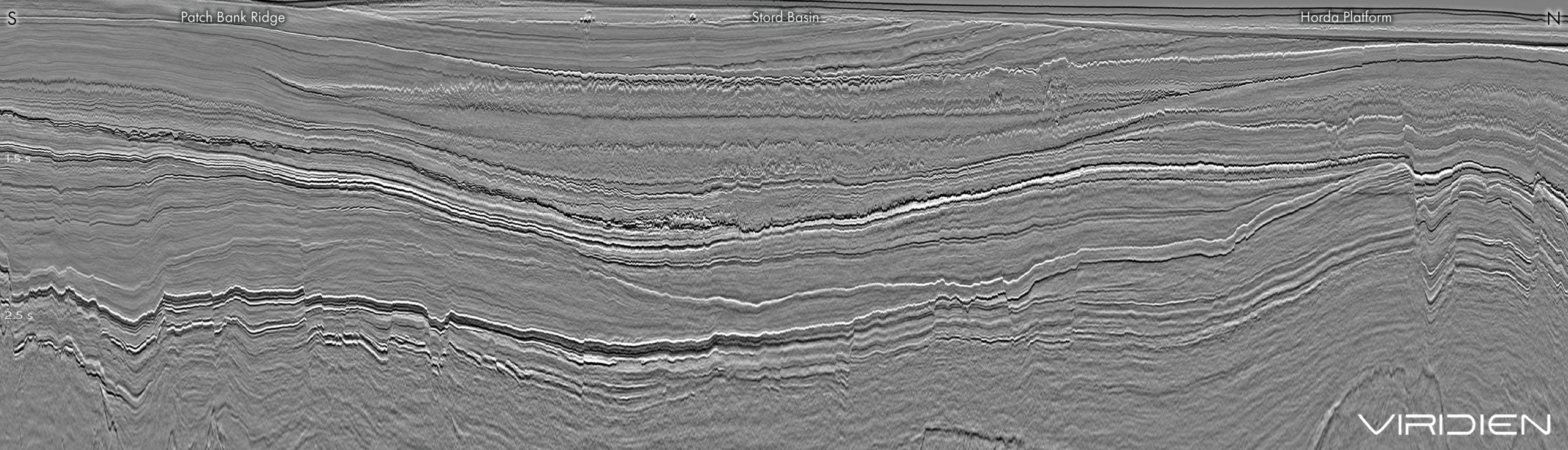 Figure 1: North-south trending seismic section across reprocessed NVG time data.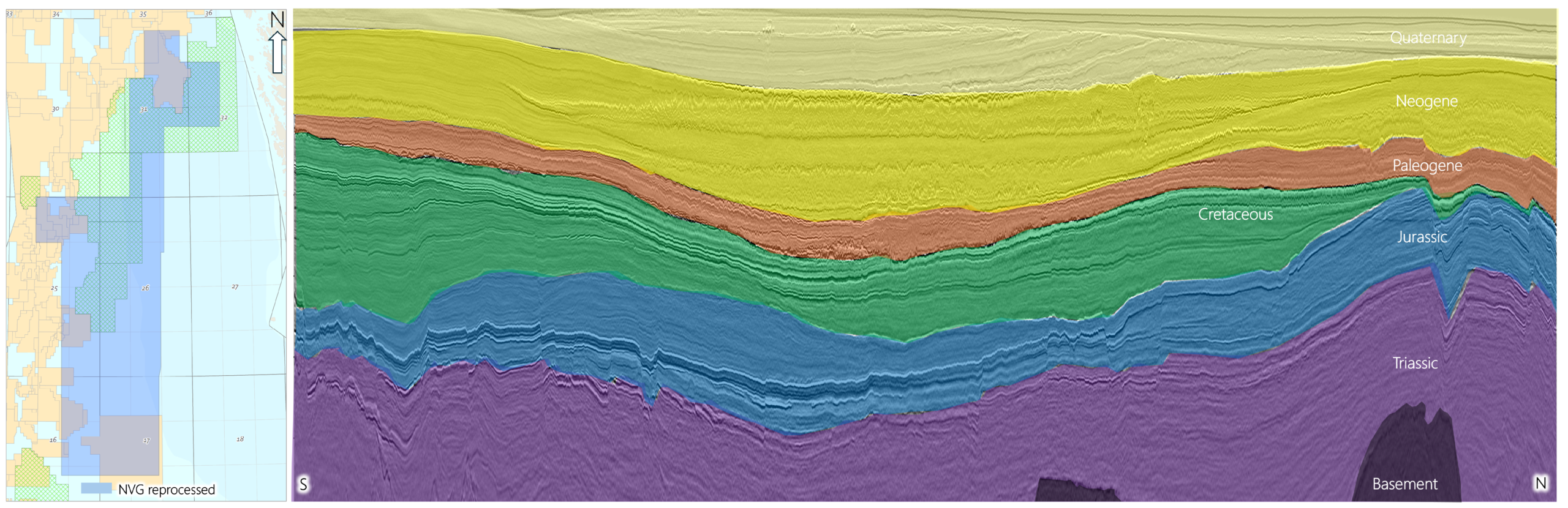
Repurposing seismic data for carbon storage activities
Data quality requirements
Geological storage formations of interest
Key outcomes for carbon storage projects
Related Articles