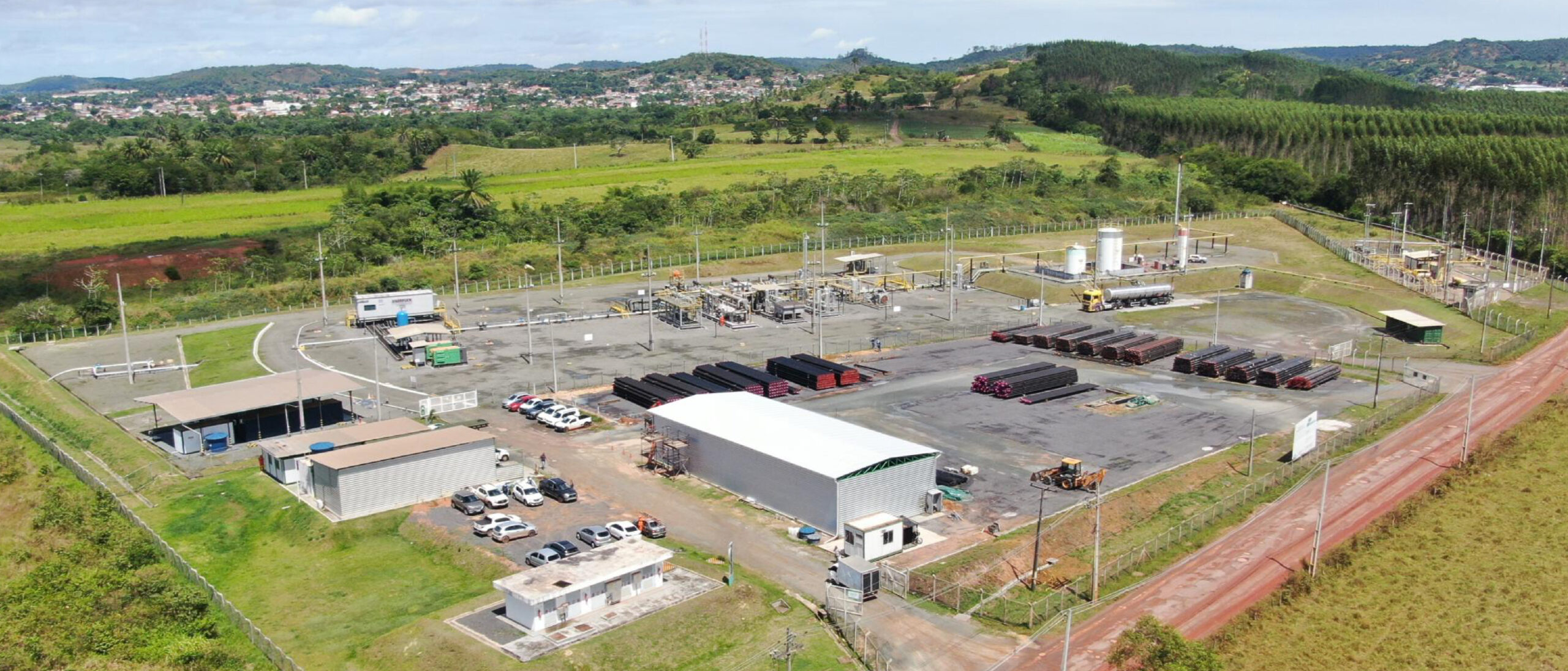
Production facilities. Photo: Alvopetro.
Applying Canadian oil industry technology abroad
How Alvopetro found a niche in gas-hungry Brazil whilst also investing in a Canadian oil project to gain further experience, ready to be exported in the future

Alvopetro Energy is one of the many Calgary-based Canadian energy companies involved in international exploration and production. Like most of those companies, Alvopetro is listed on the TSX Venture Exchange. Alvopetro was incorporated in 2013 and subsequently signed a contract with Brazil’s energy regulator, the Agência Nacional do Petróleo (ANP), to become the operator in exploration and production blocks in the Recôncavo Basin, onshore Brazil.
In 2020, the company distinguished itself by becoming the first independent company in Brazil to deliver natural gas into the local distribution network. Five years later, in 2025, Alvopetro expanded its focus even though it stayed closer to home this time around; the company joined an oil field development program in Canada’s western province of Saskatchewan. The well designs used by operators in this oil play includes several configurations including Open Hole Multi Lateral wells.
AN EMERGING ENERGY SUPER-POWER
In the past decade, Brazil has experienced extraordinary success in exploration in the pre-salt formations in the deepwater Campos and Santos Basins. This has resulted in Brazil’s oil and gas production ramping up to current oil production at 4.0 MMbpd and natural gas at 195 MMcmpd. Brazil ranks as the 7th largest oil producer in the world and is the world’s 9th largest economy. Onshore, the picture is different, with some assets being late life and benefiting from new pairs of eyes to squeeze the last barrels out.
Alvopetro in the Recôncavo Basin
The Recôncavo Basin in the state of Bahia is the oldest producing basin in Brazil. The basin is an intracontinental half-graben formed during the Late Jurassic – Early Cretaceous. The basin covers 11,500 km2 and contains over 6,000 m of pre-, syn-, and post-rift sediments, including major oil and gas source rocks and associated reservoir sandstones. It currently produces approximately 40,000 boepd, of which 50 % is gas.
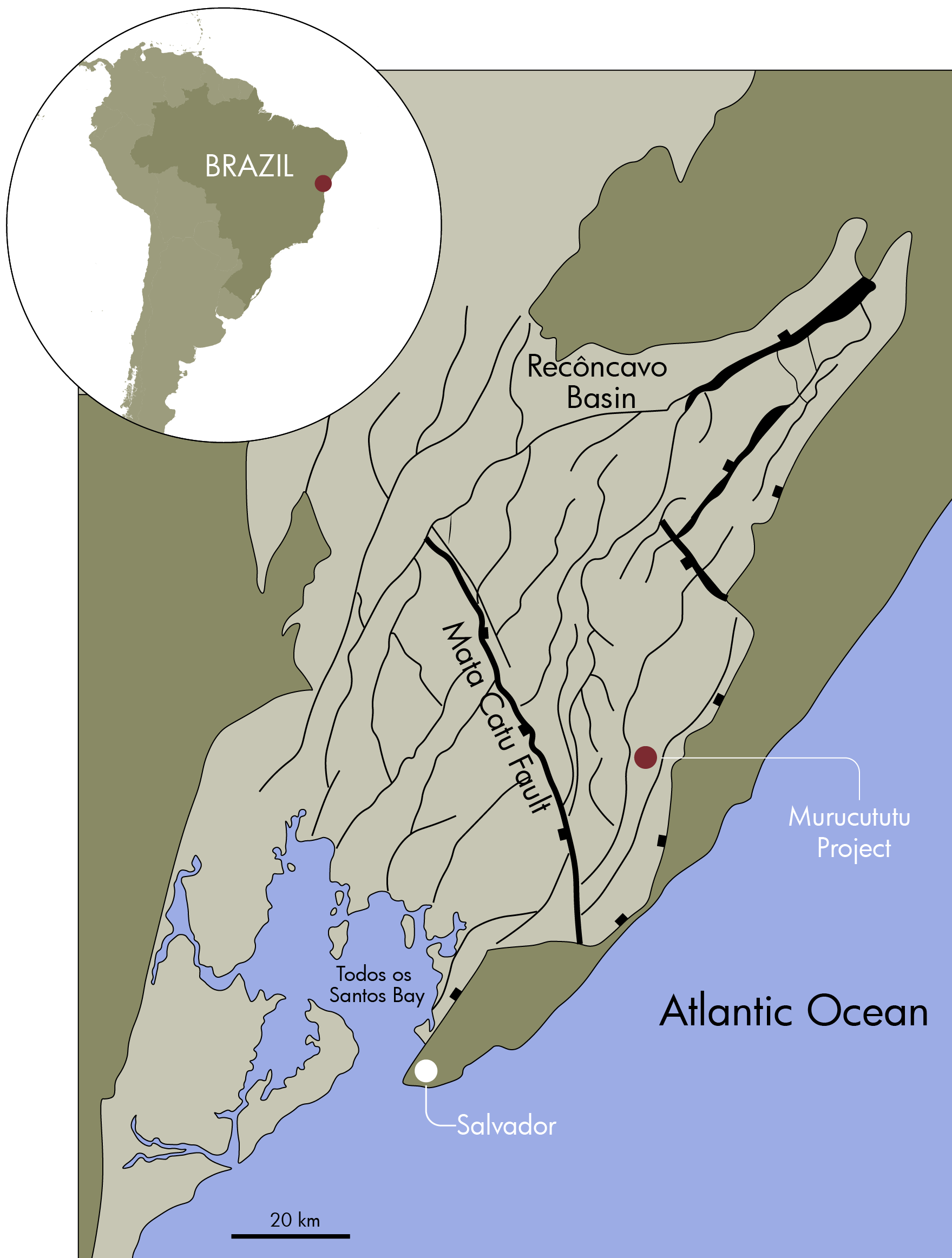
Alvopetro’s production in the basin is primarily natural gas with a small volume of oil and condensate. Sales in Brazil in January 2026 amounted to 2,900 boepd with a production mix of approximately 90 % gas. Gas production averaged around 16.3 MMcfpd.
Although Brazil is a major producer of natural gas, what is underappreciated is that Brazil is also a major importer of gas. The country imports 32 % of its gas via pipeline from Bolivia and increasingly from Argentina (via Bolivia), along with LNG imported from the USA, China and various African countries. Bolivia itself has seen a major drop in domestic gas production in recent years, which has caused this shift in gas sourcing. The importing of expensive gas has resulted in domestic gas prices in Brazil needing to be kept on par with imported gas.
Consequently, Alvopetro significantly benefits from high gas prices, which in January 2026 were $10.70/Mcf. However, their success is also due to their ability to use appropriate technology, such as reprocessed 3D seismic and developing a deep understanding of the geology, thereby unlocking the significant remaining potential in this mature basin.
Alvopetro’s Exploration Manager is Calgary-based Nanna Eliuk. In a recent presentation to the International Division of the Canadian Energy Geoscience Association, Ms Eliuk reviewed the Murucututu field, which Alvopetro discovered in 2022. The field produces gas and condensate from Cretaceous early rift deposits including lacustrine turbidites and gravity flow sandstones. Four wells are already in production, including a well which came on production in mid-2025 at the Initial Production rate of 1,100 boepd.
Nanna Eliuk said that just as Brazil is a net gas importer, the state of Bahia consumes more gas than is produced due to the large industrial complex in Camaçari near the city of Salvador, with a population of approximately 3 M people. This complex is within 5 km of Alvopetro’s gas discoveries. The city gate at Alvopetro’s gas plant is capable of supporting significant expansion of gas sales volumes as additional wells and facilities are developed.
Canadian success story
In 2025, Alvopetro also began participating in the Mannville Stack play fairway in southwestern Saskatchewan. This is a Lower Cretaceous shallow-depth, multi-zone oil field development program which has attractive economics through the application of multilateral drilling technology. The well-designs used by operators in this oil play include several configurations, including multi-leg horizontals and fishbone patterns. Wells can be open-hole or cased, and some even include small fracs. Operators continue to deploy a variety of fit-for-purpose designs and patterns based on localised geology and economic optimisation.
Alvopetro is beginning to benefit from the Mannville Stack, where eight new oil wells have been drilled and brought on production, adding incremental oil production through the company’s Canadian portfolio.
According to Ms Eliuk, the technical know-how they are acquiring in Saskatchewan may also be applied to their Brazilian operations. In January 2026, sales volumes rose 8 % from the fourth-quarter average to a record level of 3,100 boepd, supported by stronger output in Brazil and higher sales volumes in Canada.