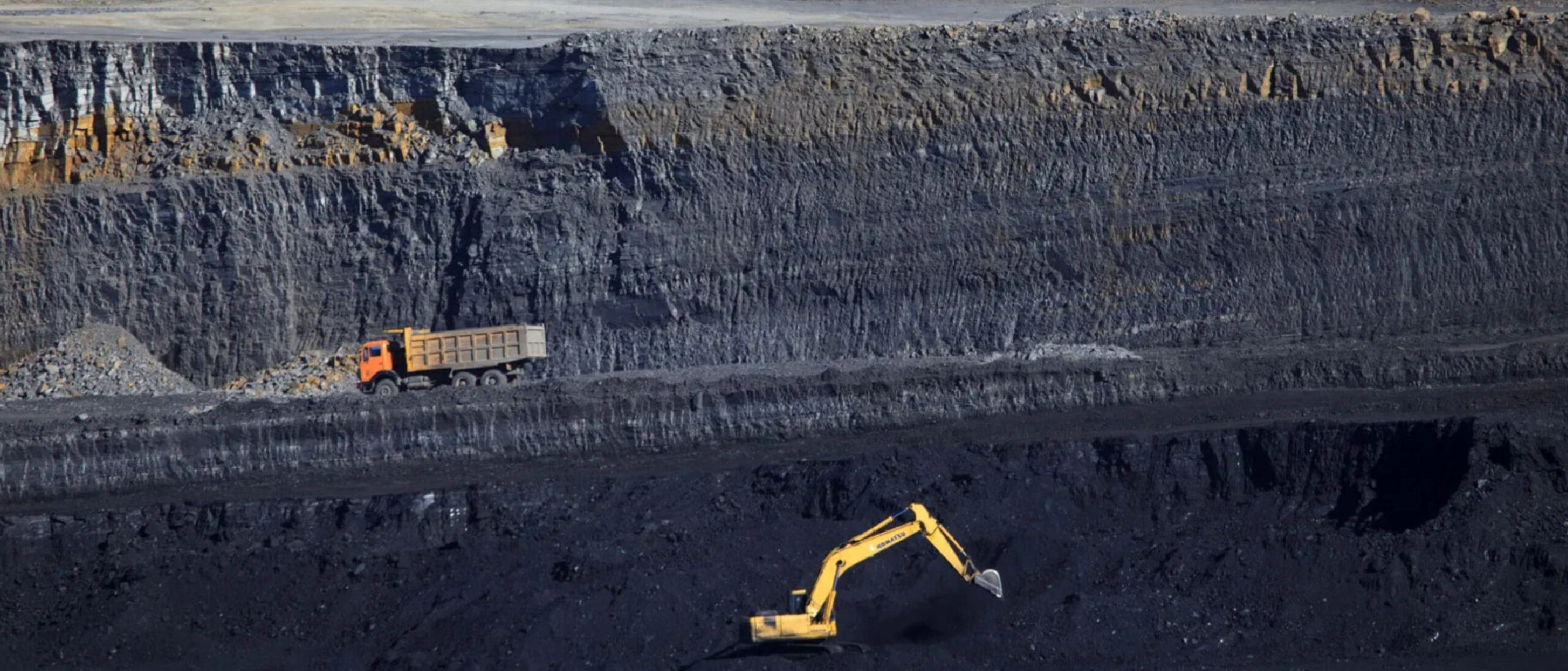
Every energy system begins with geology. Photo: britanica.com.
Why geology still calls the plays in every energy system
We live in an era where big promises are easy to make. With enough funding, enough policy momentum, and enough glossy reports, almost anything can look inevitable. But there is one force that remains unimpressed by all of this: The ground beneath our feet

The Earth is not a suggestion box. It doesn’t negotiate. It doesn’t adjust to aspirations. Its rules were written long before we arrived, and they remain in force no matter how many times “crisis” is mentioned in the media. This is why geology – quiet, old, and stubborn – still determines what we can build, how fast, and at what cost.
A useful starting point for anyone thinking about energy is this: What exists is not the same as what we can use.
We often hear that certain countries are “rich” in minerals, or that the world has “plenty” of copper, lithium, uranium, or rare earths. But geology doesn’t hand out neatly packaged inventories. It scatters minerals unevenly, locks them behind water constraints, tucks them under mountains, dilutes them with impurities, or places them in jurisdictions where permits take longer than a child’s journey from kindergarten to university.
The gap between endowment (what the Earth holds), inventory (what we’ve identified), and production (what actually comes out of the ground) is where most energy debates come unstuck. People talk about resources as if they were Lego bricks; in reality, they behave more like weather systems – complex, variable, and stubbornly local.
Even “weightless” technologies have mass
Take artificial intelligence and the cloud, now sold to the public as ethereal. A data centre is simply another kind of mine mouth. It devours copper for cables and transformers, electrical steel for machines, concrete and rebar for foundations and vast amounts of water for cooling.
There is nothing virtual about it. A server rack is an energy-hungry metal box that lives in the real world, connected to real geology and real constraints. If the aquifer is stressed, if the transmission line can’t be built, if the copper isn’t coming, your digital future will wait politely until the Earth allows it to proceed.
This is perhaps the hardest truth for energy planning: Geology sets the cadence.
You cannot accelerate an ore body. You cannot will a refinery into being faster than the materials, labour, permits, and water allow. You cannot mass-produce perfect wind sites or force transmission corridors through mountains without time, negotiation, and steel.
This is not pessimism; it is realism. Projects grounded in geological truth move more slowly in PowerPoints but faster in reality because they avoid the detours, redesigns, and overruns that come from ignoring the world’s substrate.
Geology is the literal and figurative foundation of anything we build; it sets the parameters of availability and stability, and we ignore it at our peril.
The scorekeeper that never sleeps
In the end, geology is not pro- or anti-anything. It is simply the terrain on which all human plans must be built. It supplies the materials, constrains the options, and reports the final score when timelines slip or budgets swell.
Recognising that is not defeatist. It’s the first step toward designing energy systems that actually work, because they respect the only approvals that matter: those granted by rock, water, and time.
This article is adapted from the forthcoming book Rock Hard Truths: A Critique of the Consultancy Class in Energy Reality Discussions.