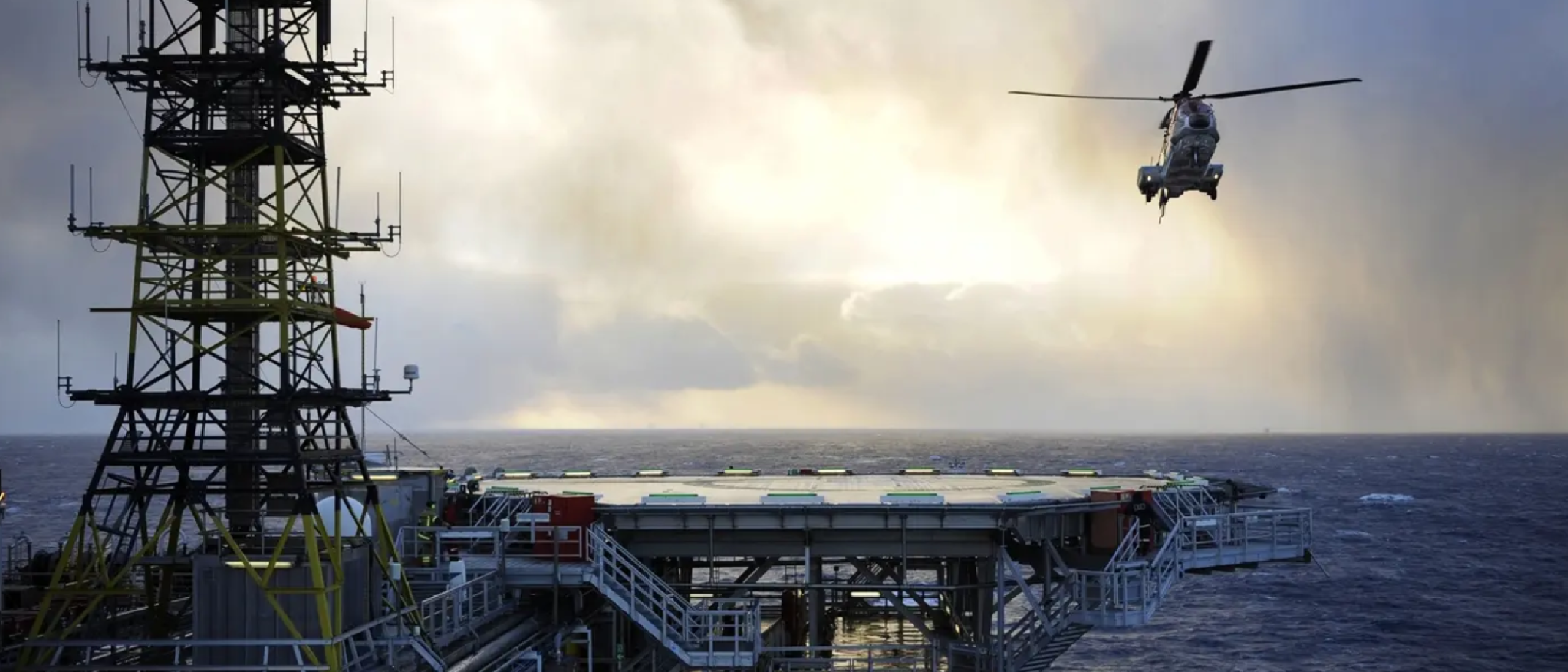
Equinor Snorre platform. Photo: Harald Pettersen via equinor.com.
Keep that well
A recent discovery on the Norwegian Continental Shelf was drilled with a new development philosophy in mind

Equinor made a discovery in the North Sea recently, but that is not the biggest piece of news. What is interesting about the Omega Sør Alfa discovery (34/4-19S) is its location as well as the way the exploration well was drilled.
As the press release mentions, the licence in which the well was drilled has been owned by Equinor since 1979. In other words, since the start of exploration across the North Sea. That is quite remarkable, as many licences across the North Sea have now changed hands a few times, on the back of oil price fluctuations, drilling a duster, or a change in company strategy. But not PL057. The reason for that is simple: It hosts the giant Snorre field, which happens to be one of the earliest and biggest oil discoveries in the Norwegian North Sea. The life of Snorre as a main hub and producer is expected to last beyond 2040.
But within the perimeters of the licence, there must have been some little prospects lurking for a long time. And one of those was recently drilled, successfully.
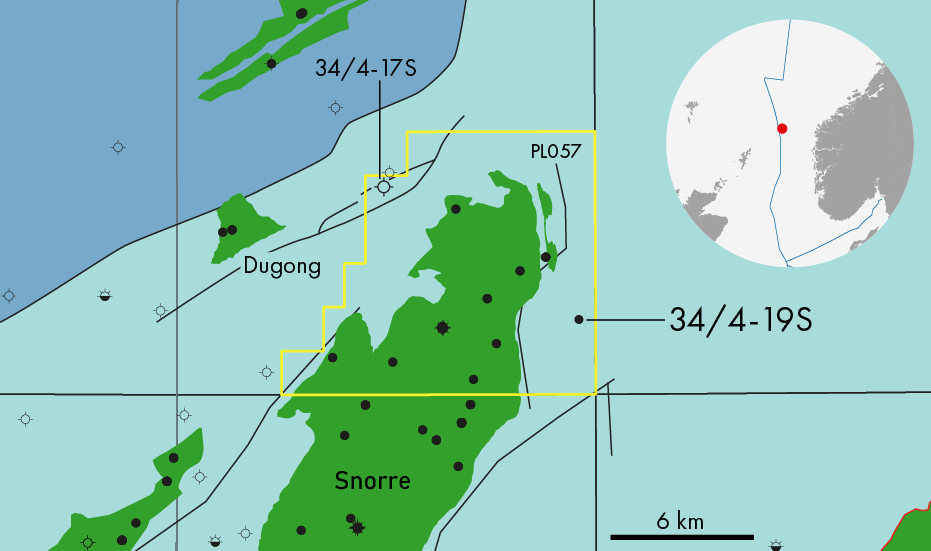
Now, the way the Omega Sør Alfa prospect was drilled is the second interesting part of this story. It was drilled with a keeper well. In other words, a well that can be partly converted into a producer later on, therefore saving on the costs of drilling yet another new well later.
During the NCS Exploration Strategy Conference in November last year, Linda Aasum Burton from Equinor spoke about this well, making the point that her company is actively trying to accelerate the time between discovery and development, whilst lowering costs at the same time. In an email communication, she also confirmed that keeper wells have not been commonly used by Equinor for drilling exploration wells.
There has been criticism in the Norwegian E&P community about the time it takes to develop new finds – with DNO being vocal about the pace with which they aim to bring the recent Kjøttkake discovery online, whilst there is also the observation that costs have risen sharply, putting more pressure on the economics of what can easily be marginal developments.
In that light, the keeper well on Omega Sør Alfa is something to take note of. At the same time, an analyst shared with us that the size of the discovery, which is thought to contain between 25 and 89 MMboe recoverable, might be too large for a single well development, implying that more wells need to be drilled to effectively drain this barrel discovery. In addition, this is not the first time a keeper exploration well has been drilled across the NCS; the Løvmeis 6608/10-R-2 H well in PL1013 was drilled with a similar concept in mind in 2024.
Well 34/4-19S discovered oil in the Middle Jurassic Brent succession, encountering an oil column of 224 m, of which 127 m consists of moderate to good reservoirs. The plan is to hook up the discovery to the Snorre field infrastructure through a subsea development.