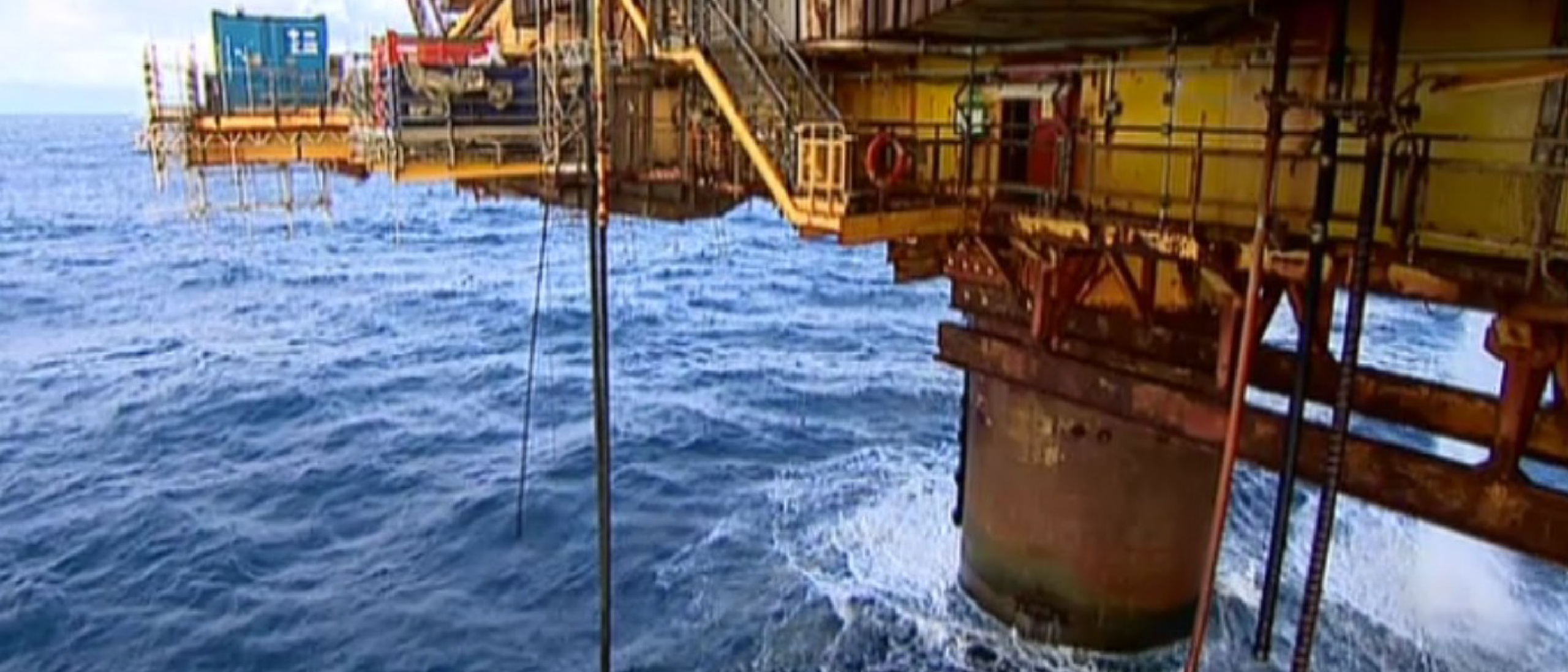
Brent Delta. Photo: BBC.
How decommissioning slowly becomes more of an integral part of the E&P cycle
Where abandonment has traditionally been regarded as an afterthought, awareness is growing in the industry that it makes sense to plan for the end of field life a little earlier

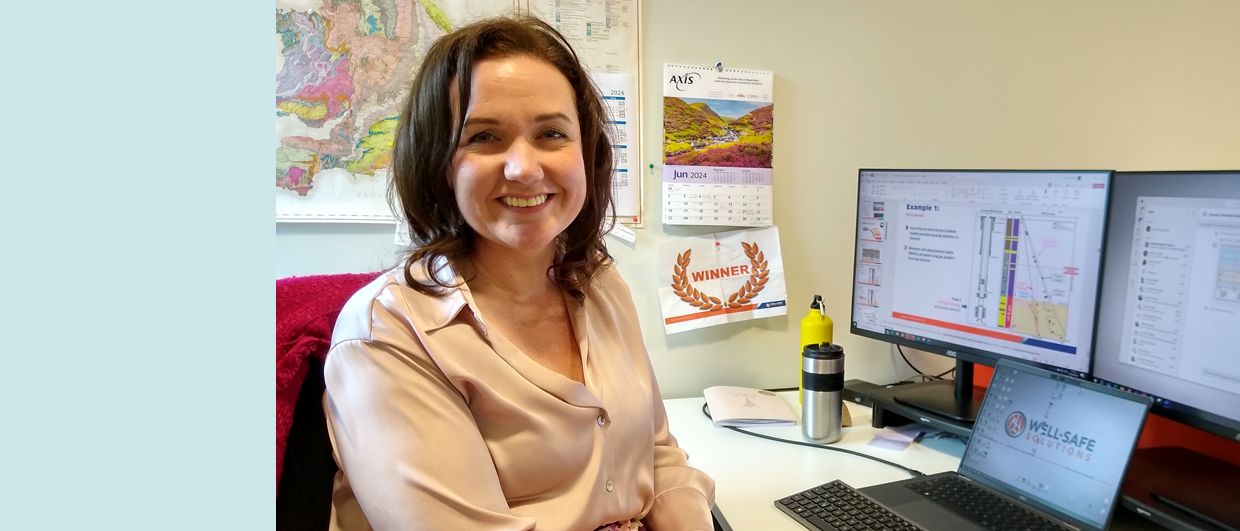
“For some, a career in decommissioning feels like a departure from traditional E&P geoscience roles,” says petroleum engineer Susan Moloney from Elemental Energies when we meet in the Aberdeen office in April. “They prefer the thrill of drilling exploration and development wells.”
Geologist Lynette Flockhart, who also joins the conversation, adds: “But despite that sentiment, we feel that the opportunities decommissioning brings, and the importance of doing it in the right way, are slowly dawning on people and companies.”

That is for good reason, as decommissioning is going to be a more important industry in the years to come. Not only in the North Sea, but also in many other mature petroleum provinces across the world. The team at Elemental Energies, which covers a wide variety of disciplines serving the pipes all the way to the pores, sees that opportunity. “On the back of our experience we built up in the North Sea, our own backyard, we are now running projects abroad as well, such as one in the Black Sea at the moment,” says Susan.
…there is a real detective element in our work – Susan Moloney
And whilst decommissioning is gaining momentum, there is also more of an understanding with the operators that being proactive in this space can save money in the long run. “We are working with a company that has a dedicated overburden team,” says Lynette, “which would have been unheard of a while ago. The same operator is also open to running an extended leak-off test in one of their development wells. This has nothing to do with that particular well, but the measurement provides very useful information about the fracture gradient in the overburden that we can subsequently use as input for our project nearby.”
“In addition, we also find that there are some forums here in Aberdeen that actively promote cross-operator conversations about how to share best practices. That is only of benefit to everyone,” adds Susan.
Yet, challenges of course remain, especially when it comes to pulling together all the pieces of the subsurface puzzle. “Missing data is one of the biggest challenges,” says Lynette, “as most wells historically have only had well logs acquired across the reservoir interval. Sure, the exploration and appraisal wells may have a more complete coverage, but the development wells, which may be in a different part of the field, sometimes lack any overburden data altogether.”
Undocumented mechanical sidetracks are another thing to be wary of. “Historically, the reporting of mechanical sidetracks has been varied, particularly if significant data was not acquired and no hydrocarbons were identified,” says Susan. “Yet, we have to include these sidetracks in our reporting to the regulator as part of mapping the entire plumbing system. So, you can imagine there is a real detective element in our work sometimes!