Source: www.dataenergy.ca.
Technology is not the bottleneck anymore
Ryan Mardani from DataEnergy in Calgary talks about his AI-based geoscience data start-up and how the company stays on top of the latest developments

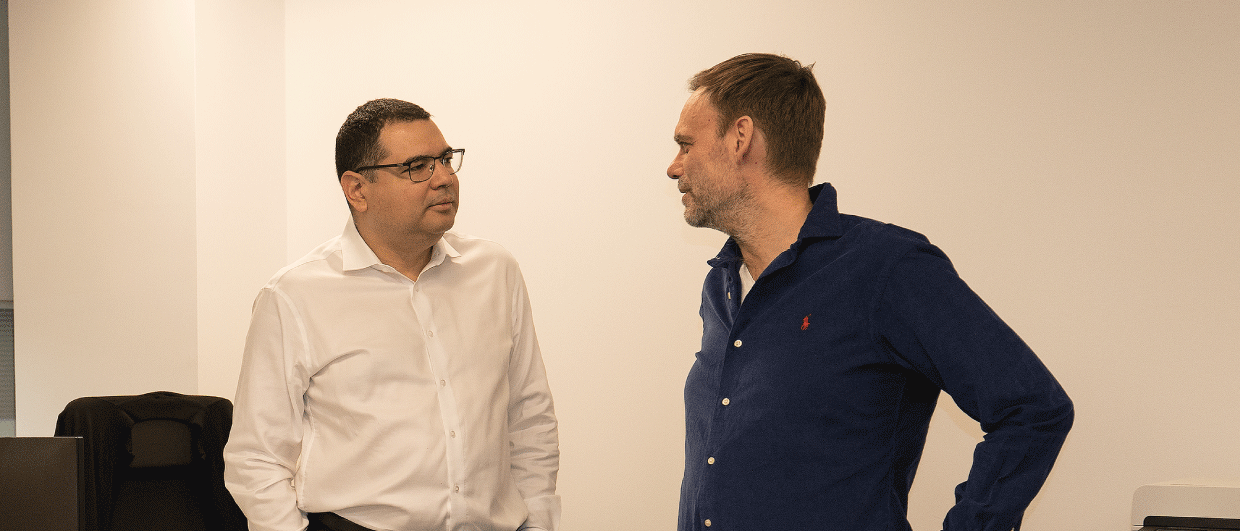
Conferences remain a great way to meet people who you otherwise wouldn’t cross paths with. That sometimes leads to great conversations, and occasionally also an article. At GeoConvention in Calgary earlier this year, I met Ryan and his colleagues who were exhibiting. They were talking to potential customers about their company DataEnergy.

Having a background in geosciences and seeing how much subsurface data was not used to its maximum extent while working in the oil and gas industry, Ryan decided something needed to be done. He embarked on a master’s in Geophysics at the University of Calgary, during which he took as many computing and data science classes as he could. “Normally, students do around four courses,” Ryan told me during a video call, “but I completed twelve.”
Following the completion of his degree in 2018 – before AI really became a buzzword – Ryan started to become serious about realising his ambitions. And he is still doing that now, with the help of digital AI agents. “We are four people working in the company,” he says, “but thanks to advances in AI, we are assisted by around ten digital agents that work much like software developers and help us with development, testing and research.”
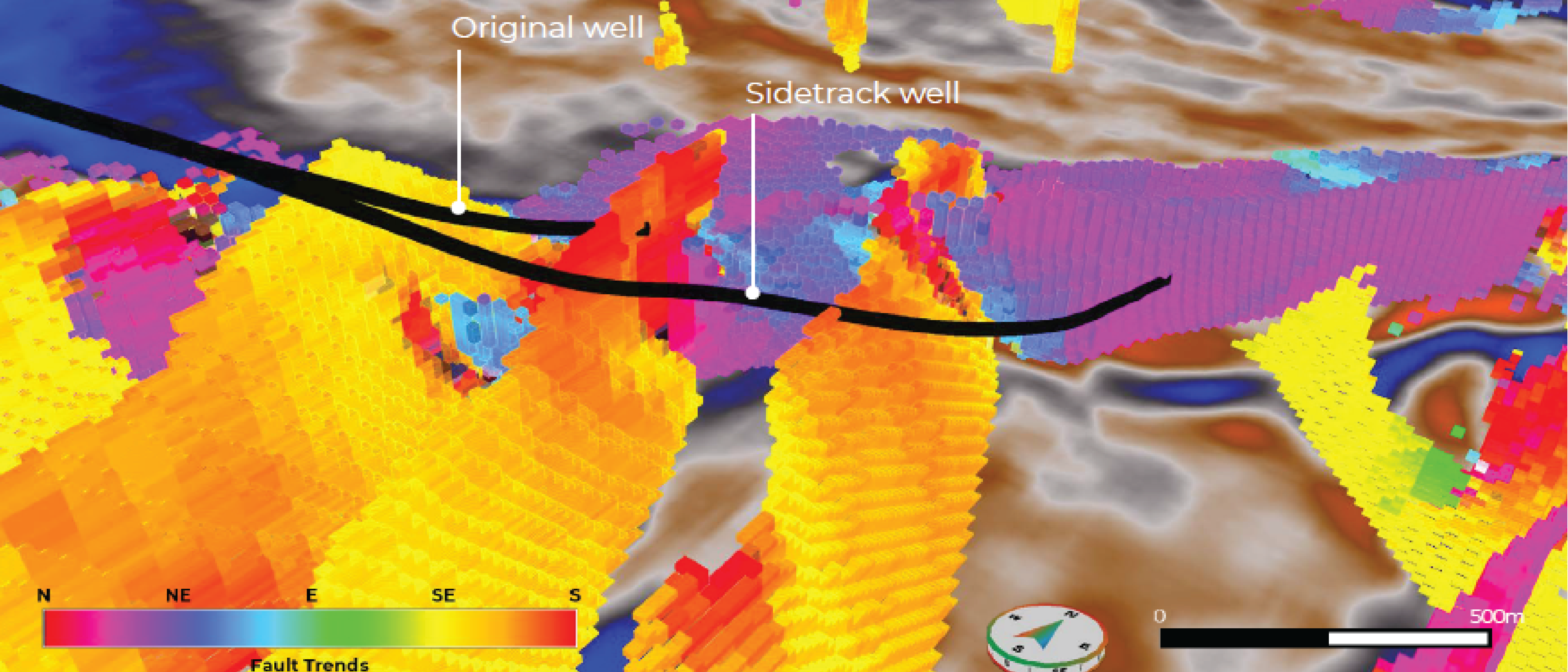
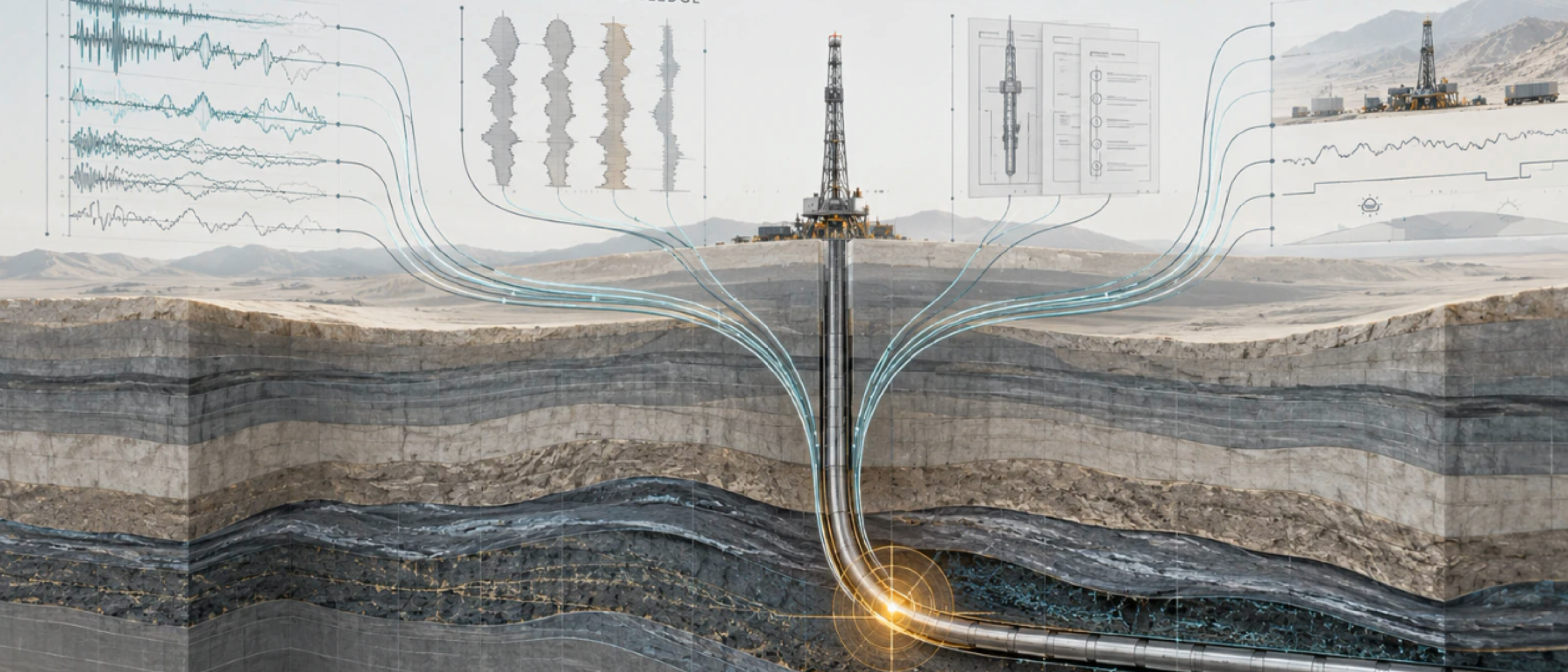
“We are developing tools to assist real-time operational drilling,” says Ryan. “Our current work combines drilling performance, subsurface context and predictive information to support decisions such as whether to continue drilling, monitor more closely or prepare for an intervention.” Importantly, the AI does not directly control equipment. Recommendations are checked against engineering and governance rules and remain subject to human authorisation.
A software module or prototype that could have taken us around three months to develop before can now be created in around three days
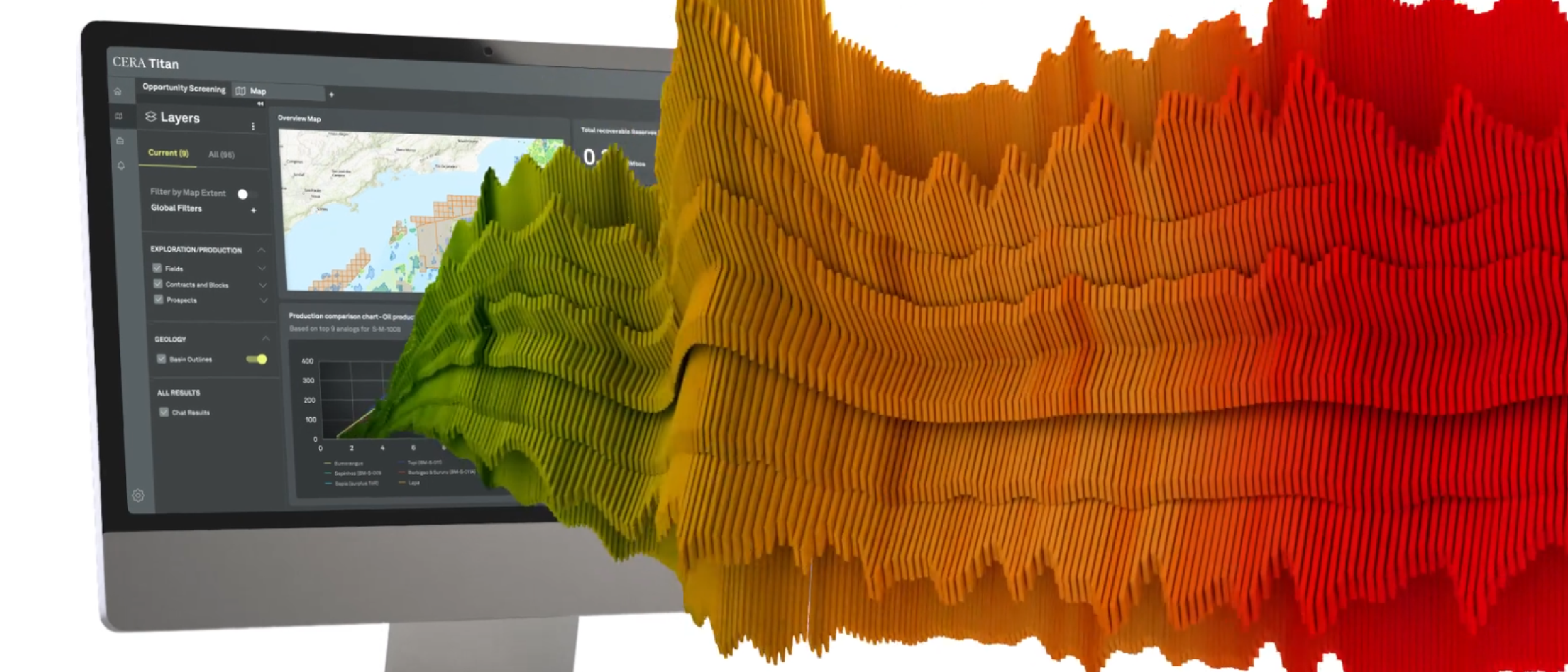
“Agentic AI is developing so fast at the moment,” Ryan says, “that a software module or prototype that could have taken us around three months to develop before can now be created in around three days.”
Rather than seeing the rapid pace of AI development mainly as a risk, Ryan sees modularity as the answer. “We try to build the system so we can adopt better models and new technology without rebuilding the entire industrial workflow around it,” he says. “We are currently in talks with a major operator in the Middle East,” he adds, “but these things don’t finalise overnight.”
“The way we approach it now,” he continues, “is to scale up further as soon as we land a contract, such that we can keep delivering the most efficient solutions to the client.”
Ryan continues to work professionally as an AI engineer while building DataEnergy together with the team. The company is also exploring government programmes and grants for which it may be eligible as it grows.
The fact that such a small specialist team can now build and test sophisticated industrial AI systems is surely a sign that technology is not the bottleneck anymore.