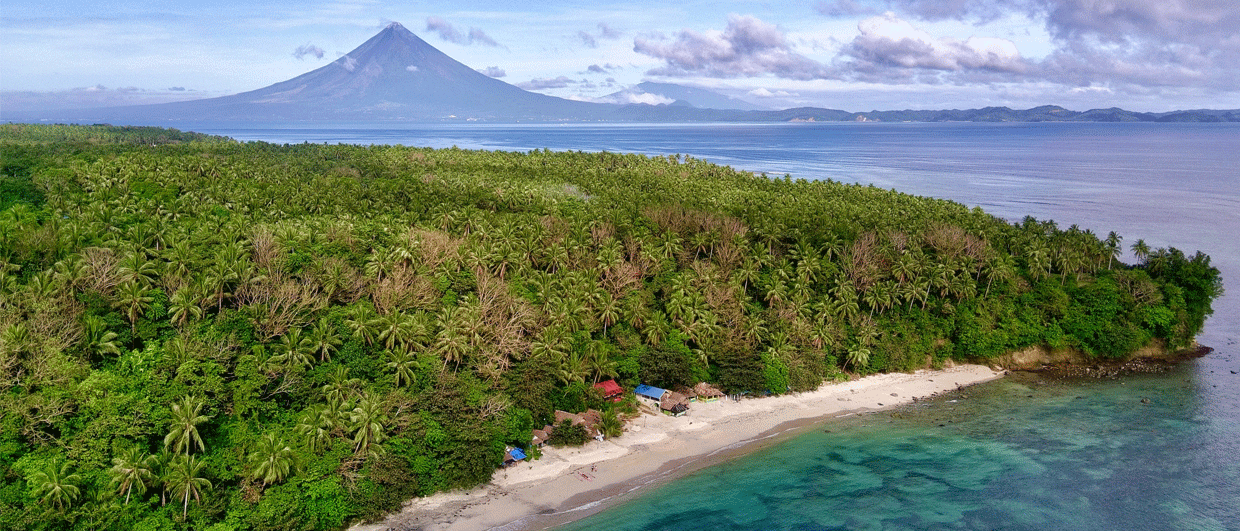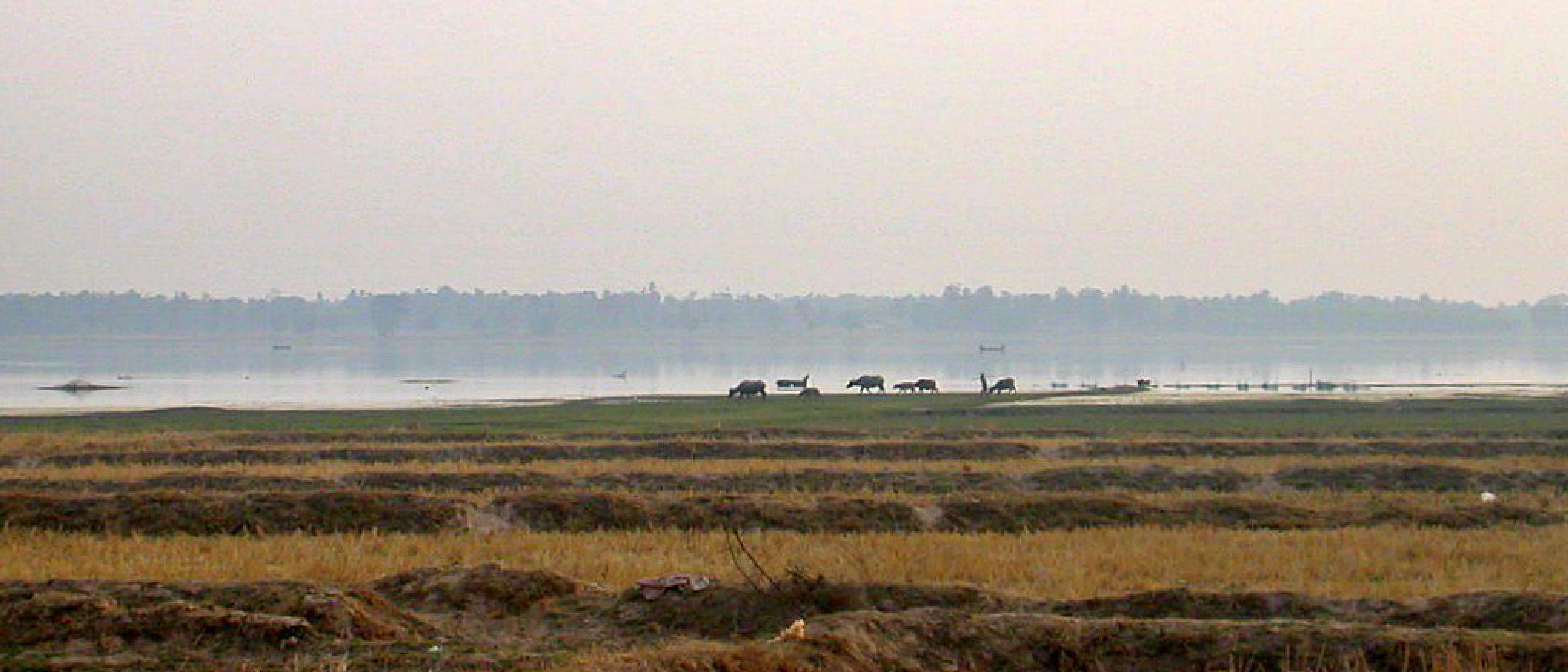
Khorat Plateau. Photo: Love Krittaya via Wikimedia.
The core of Khorat
The onshore Khorat Plateau has a poor exploration reputation, but with two proven finds that continue to deliver, and a hungry gas market, there should be an appetite to look further

Surrounded by the Phetchabun and Annamitic foldbelts in Thailand and Laos / Vietnam respectively, sits the only mildly deformed Khorat Plateau. The region has seen a long history of exploration. Union Oil was the first company granted exploration rights on the Khorat Plateau as far back as 1962, followed by drilling the first well, Kuchinarai-1, in 1971. It was unsuccessful and may have been drilled without seismic coverage. In 1982, Esso, which did the majority of exploration in the 1980s, made the Nam Phong gas discovery on what was at the time considered an oil play. This was followed by the Phu Horm (later renamed Sinphuhorm) success the following year. Both discoveries were made in Permian-aged, fractured carbonate reservoirs often referred to as the Ratburi Limestone. Esso brought Nam Phong on stream in 1991, and production peaked at over 100 MMcf/d. Sinphuhorm was a late starter, and after successfully being appraised by the new operator, Amerada Hess, in 2002, following a farm-in, it was brought on stream in 2006.
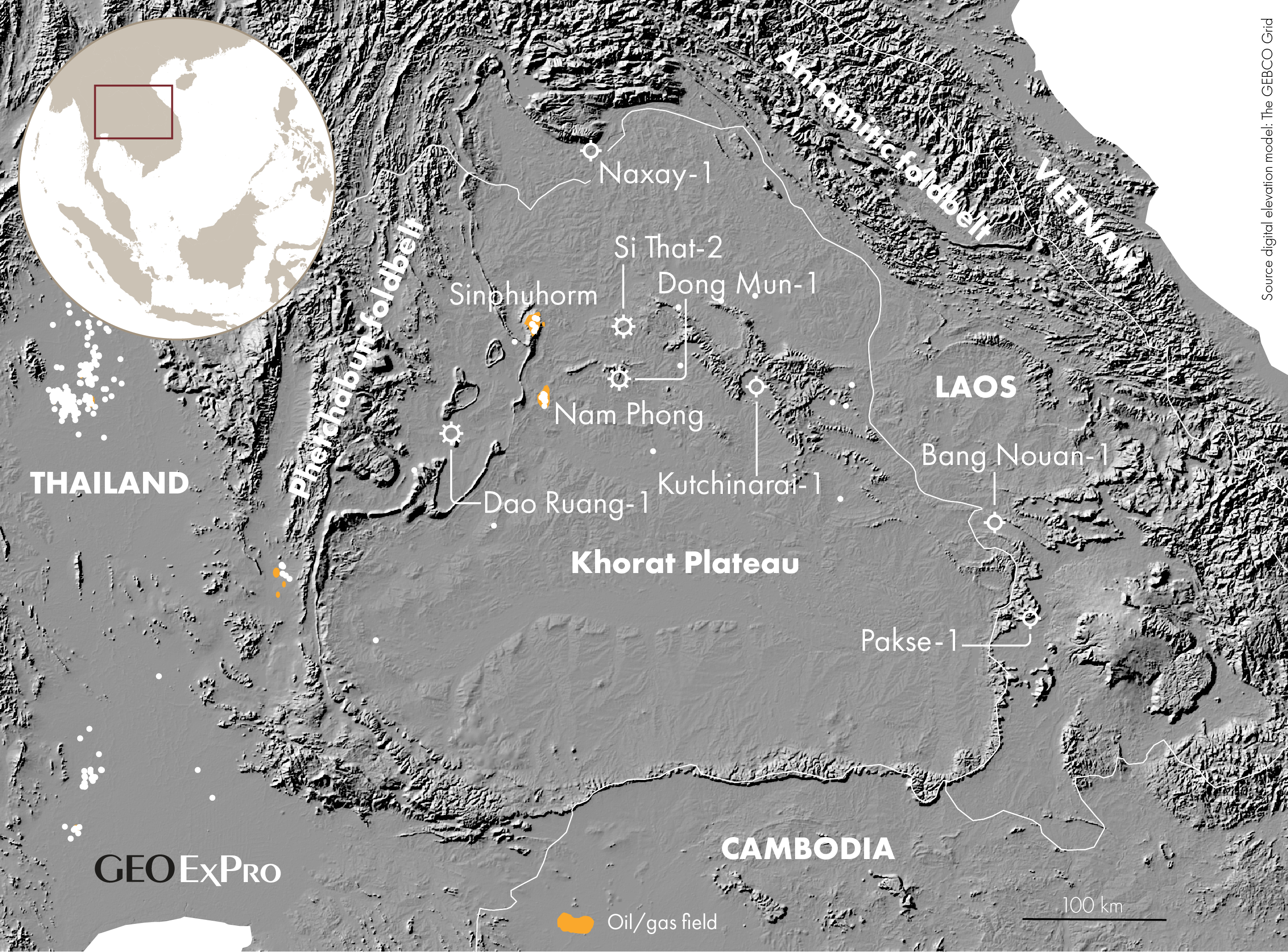
With a combined ultimate recoverable resource estimated at over 1.5 TCF, the Nam Phong and Sinphuhorm fields continue to deliver today. In August, Horizon Oil announced first gas from its Pad D Facility Sinphuhorm project. There was more good news in early September when MH Energy Thailand, the Horizon Oil-Matahio Energy joint venture, announced a large boost in gas production from its Nam Phong Field.
All in all, over 50 wells have now been drilled on the Thai portion of the Khorat Plateau, most targeting the Permian carbonate. Besides the two commercial discoveries, gas flows have been reported at Esso’s Dong Mun-1, Texaco’s Dao Ruang-1 and Cairn Energy’s Si That-2 wells.
Meanwhile, northern and eastern slithers of the Khorat Plateau basins are present in Laos and, following the two Esso successes in Thailand, this caught industry’s attention. As a result, in 1989 Enterprise Oil was awarded the Savannakhet PSC and the following year Hunt Oil was awarded the Pakse PSC. Hunt drilled the unsuccessful Pakse-1 well in 1997, and the objective proved to be volcanic basement as opposed to the targeted Permian carbonate reefal buildup. In 1998, Monument Oil drilled Naxay-1(ST), and it is understood the wildcat did not reach its objective. However, there was encouragement in Laos for Salamander at Bang Nouan-1, which encountered gas shows in Triassic sandstones in 2010.
A 1998 paper by John Booth at the SEAPEX Exploration Conference gives an excellent summary of early activities on the Khorat Plateau. Booth concludes that much of the exploration drilling on the Khorat Plateau has been wasted with a poor understanding of the geology and play concepts, with many invalid tests, and added that another phase of exploration is needed, applying the lessons learnt. Maybe that phase is now?