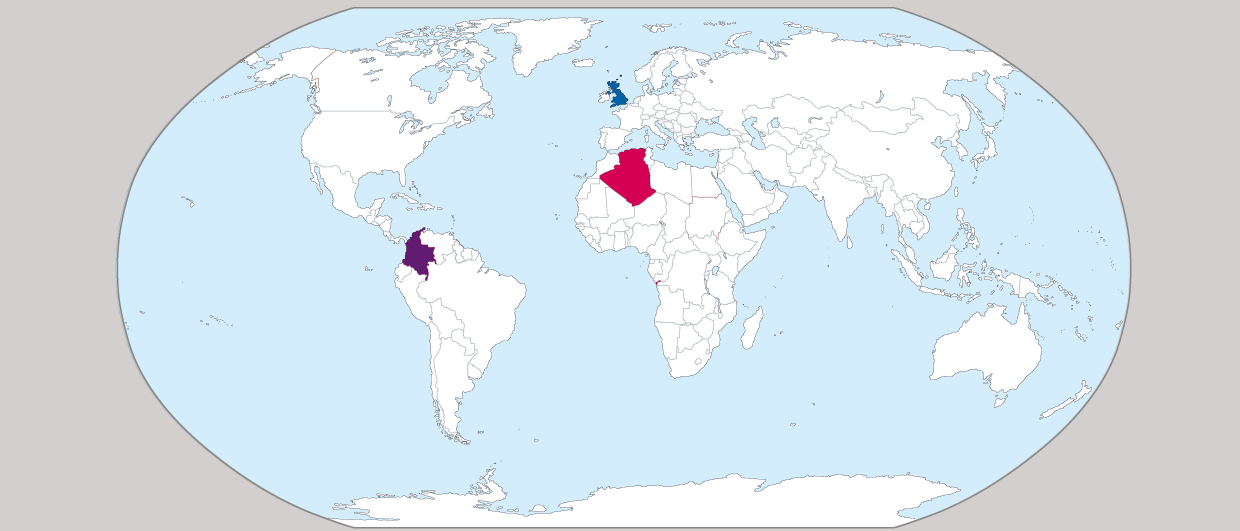
Unconventional opportunities gaining momentum

United Kingdom
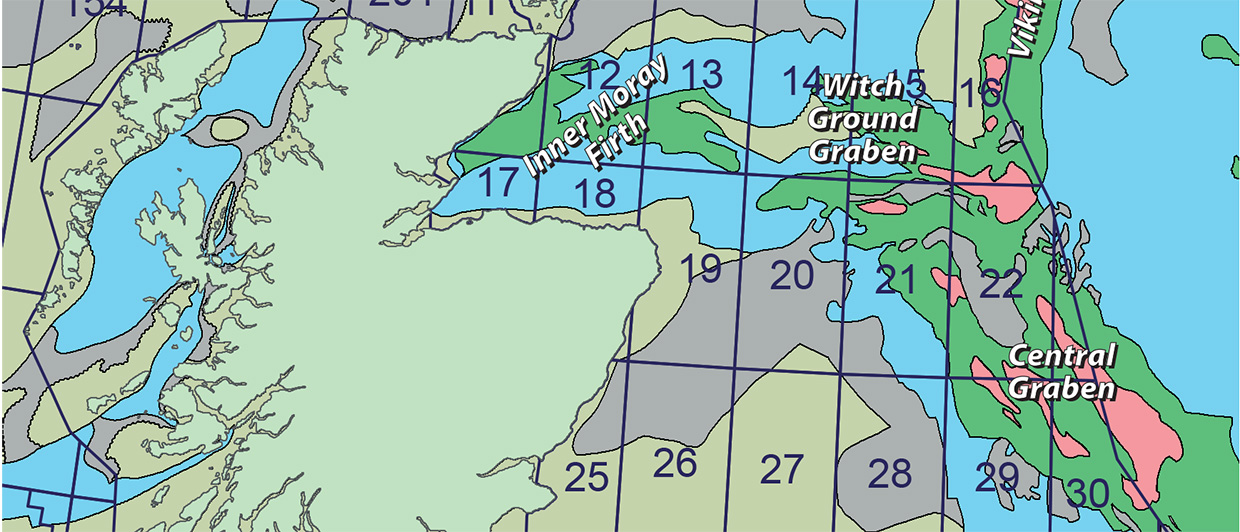
Amidst claims that 20 Bbo could still be in place, the UK government, seeking to stimulate a North Sea industry hit by falling production and rising costs, launched its 28th offshore licensing round offering 2,728 full and part blocks. Based on the conclusions of an environmental report, areas in the deepest waters of the South West Approaches are currently not being offered as part of the round because of inadequacy of data. In addition, a number of blocks previously excluded on the basis of recommendations of Strategic Environmental Assessments are still not being offered, including blocks in or overlapping with the boundaries of the Moray Firth and Cardigan Bay Special Areas of Conservation. Applications have to be submitted by 25 April. Michael Fallon, energy minister, said the government was hoping to maintain the level of interest evidenced in the previous round, which analysts believe was partly driven by tax incentives designed to improve the economics of commercially marginal fields and encourage exploration in once-unviable areas. These softened the effect of a £2 billion tax raid on the industry in 2011 but the inflow of spending has yet to translate into increased production.
Much investor interest has focused on the area west of Shetland, which holds about 17% of the UK’s hydrocarbon reserves, and enough gas to meet 8% of the country’s needs by 2016, but deep waters, hurricane-force winds and 4m waves present logistical challenges that make projects enormously expensive. In November 2013, Chevron said its £6 billion Rosebank oil project west of Shetland did not offer an ‘economic value proposition’ that justified proceeding with such an investment.
Colombia
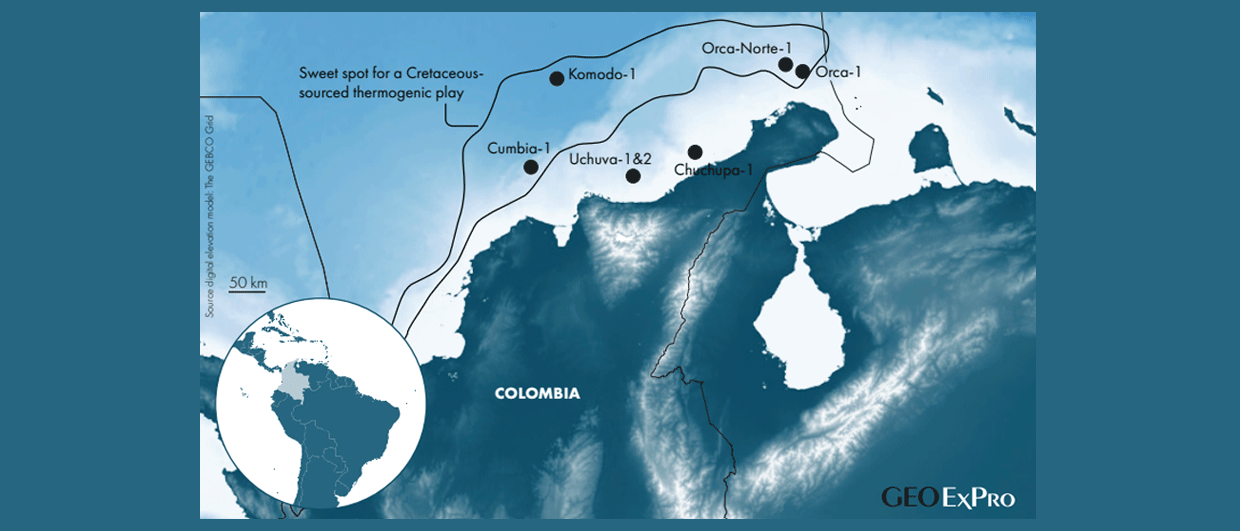
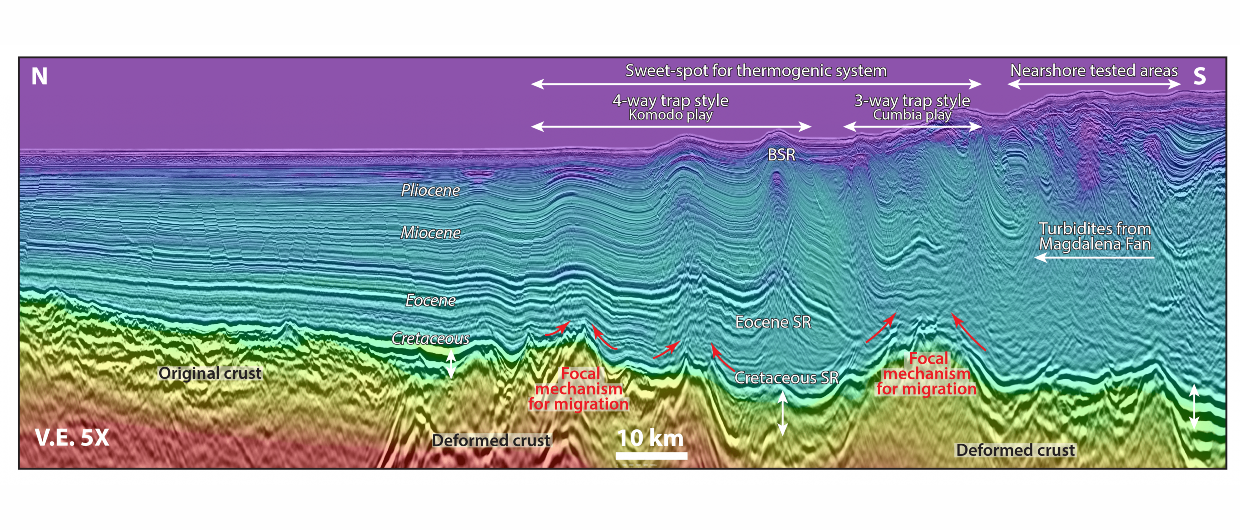
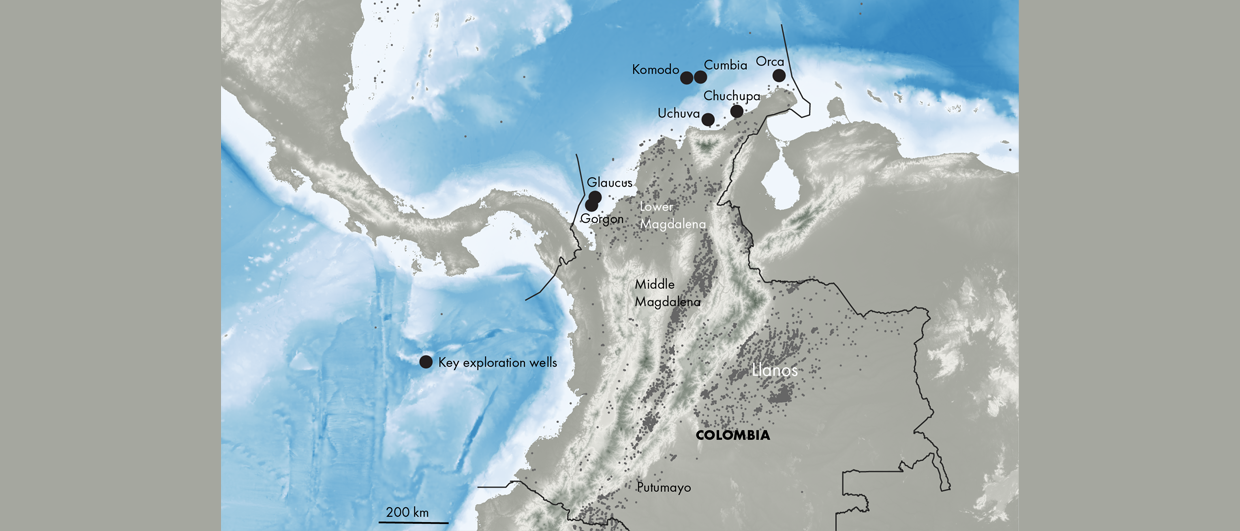
While the official block list has yet to be published, the Agencia Nacional de Hidrocarburos (ANH) released the announcement and schedule for the Ronda Colombia 2014 on 20 February. Local media quoted minister of mines and energy, Amylkar Costa, as saying the round may be split into two phases, the first phase offering conventional blocks while the second phase will focus on blocks with unconventional potential. At that time the minister mentioned 57 conventional blocks and 40 for the unconventional. According to the published schedule, road shows will be held in Calgary, Houston and London with the publication of the official Terms of Reference due on 11 April. Interested companies will then have until 11 June to submit pre qualification documents. The round will close on 23 July.
The Ministry of Mines and Energy seeks to generate around $2.6 billion by selling more than 22 million hectares for exploration and production in this auction. As it strives to sustain foreign investor interest in the sector, for the first time the ministry is offering areas potentially containing unconventional resources. The ANH road shows, in addition to promoting promising geological prospectivity, will also be underlining improved security following a decade-long military offensive, heavily backed by the US, although pipeline bomb attacks still take place. Two potentially large finds in late 2013 gave weight to Colombia’s belief that there are large recoverable reserves in the central province of Meta.
Algeria
Mooted for some time, the Algerian National Agency for the Valorization of Hydrocarbons Resources (ALNAFT) has finally launched the fourth exploration bidding round following modifications to the oil and gas law passed in early 2013. ALNAFT is offering 31 blocks: six in the north of Algeria, seven in the center, six in the eastern part and 12 in the western part. Interestingly, with the government estimating unconventional gas resources at 700 Tcf, 10 of the blocks concern unconventional resources. The revised terms include the introduction of profit-based taxation and detailed terms for unconventional licenses, with an 11-year exploration phase set against seven years for conventional assets and a longer operating period. In making the changes, government sought to incentivize new investment in tight gas as well as shale. Applications are to be submitted by August 6, 2014.
Algeria’s oil production has declined to 1.1 MMbpd, the lowest since 2003, while exploration has slowed in recent years following higher company taxation and a corruption probe at Sonatrach. Coming one year after the Islamist attack on the In Amenas gas facility, to which foreign personnel are only now returning, the licensing round is seen as a test of both the new terms on offer and confidence in the north African state’s ability to manage security at its facilities. However, with an established infrastructure, access to European markets and significant resource potential, both unconventional and conventional, a number of companies have already indicated interest. Sonatrach remains a mandatory partner in all exploration projects, with a minimum stake of 51%.