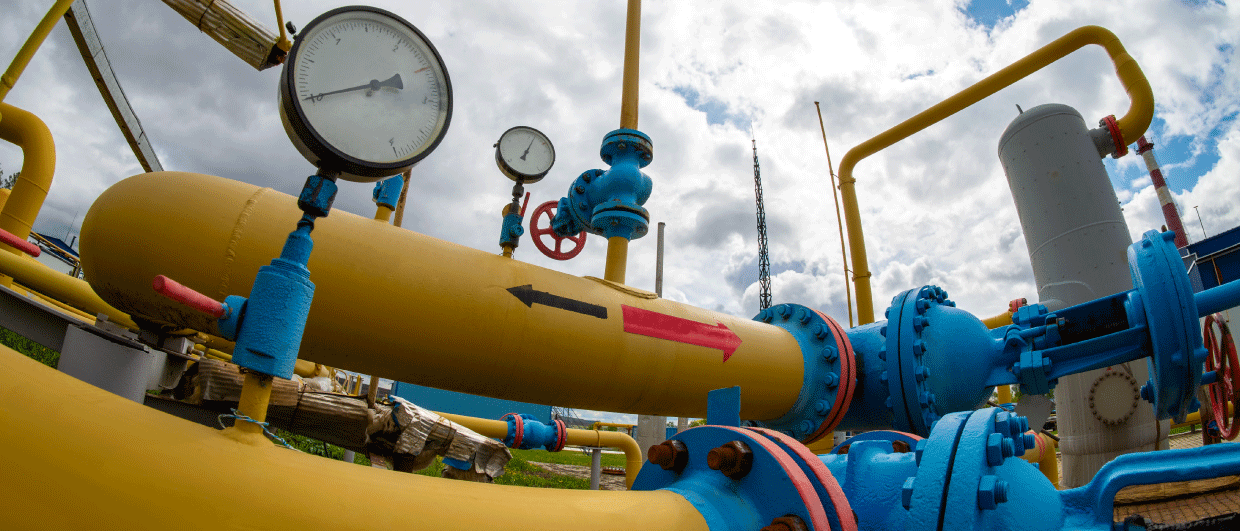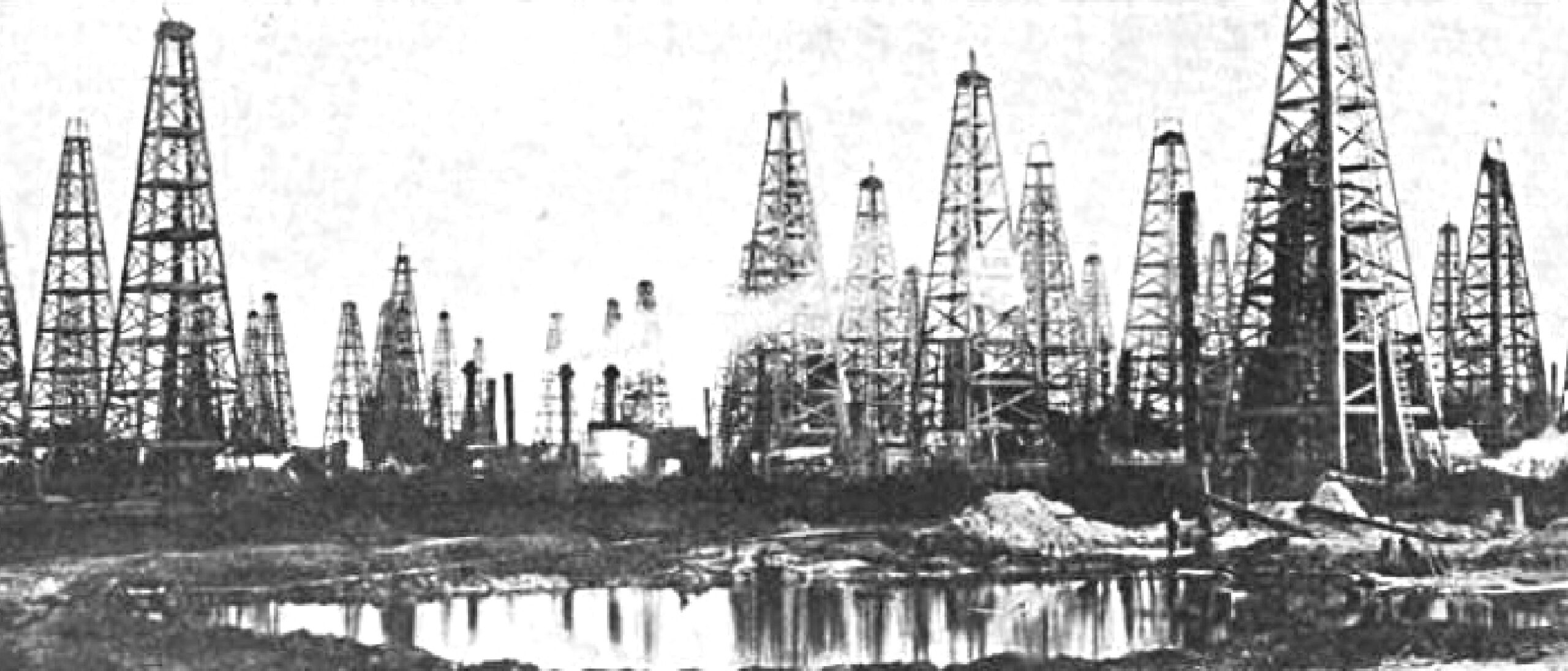
Garden of the God's, Southern Illinois. Photo: aheflin via Adobe Stock.
Pressure space – a key driver for large-scale CO2 injection in saline aquifers
A study in the US Illinois Basin suggests that if pressure perturbations are included in the permitting process of CCS projects, very large regions beyond the injection site have to be considered. But how workable is that going to be?

It is for a reason that companies, when presenting their CO2 injection plans, don’t put the actual pressures on the vertical axis of their pressure-versus-time plots. At least, that is what I observed a few times at separate events. Pressure seems to be one of the most critical aspects of CO2 injection into saline aquifers. One of the reasons, as this publication from Jens Birkholzer and Quanlin Zhou from the Lawrence Berkeley National Laboratory shows, could be that the pressure front resulting from injection will travel much further away from the injection site than the CO2 itself.
The team created a model representing the US Illinois Basin, in which they included twenty injection sites, all injecting 5 Mt of CO₂ per year for 50 years. As expected, the model clearly shows how the pressure front travels much further than the CO₂ itself, to a point where pressures in the periphery continue to rise even after injection at the site has ceased – up to 250 km away. And this is not unimportant, not so much because of the risk of CO₂ leaking into the overburden, but rather the risk of saline waters making their way up into fresh water aquifers in the overburden. You only need one location where the sealing units are possibly more sandy than at the injection site, a fault that is unable to withstand the pressure rise, or, which is not unlikely in some parts of the world, a legacy well that doesn’t have the right plugs, and a problem may arise.
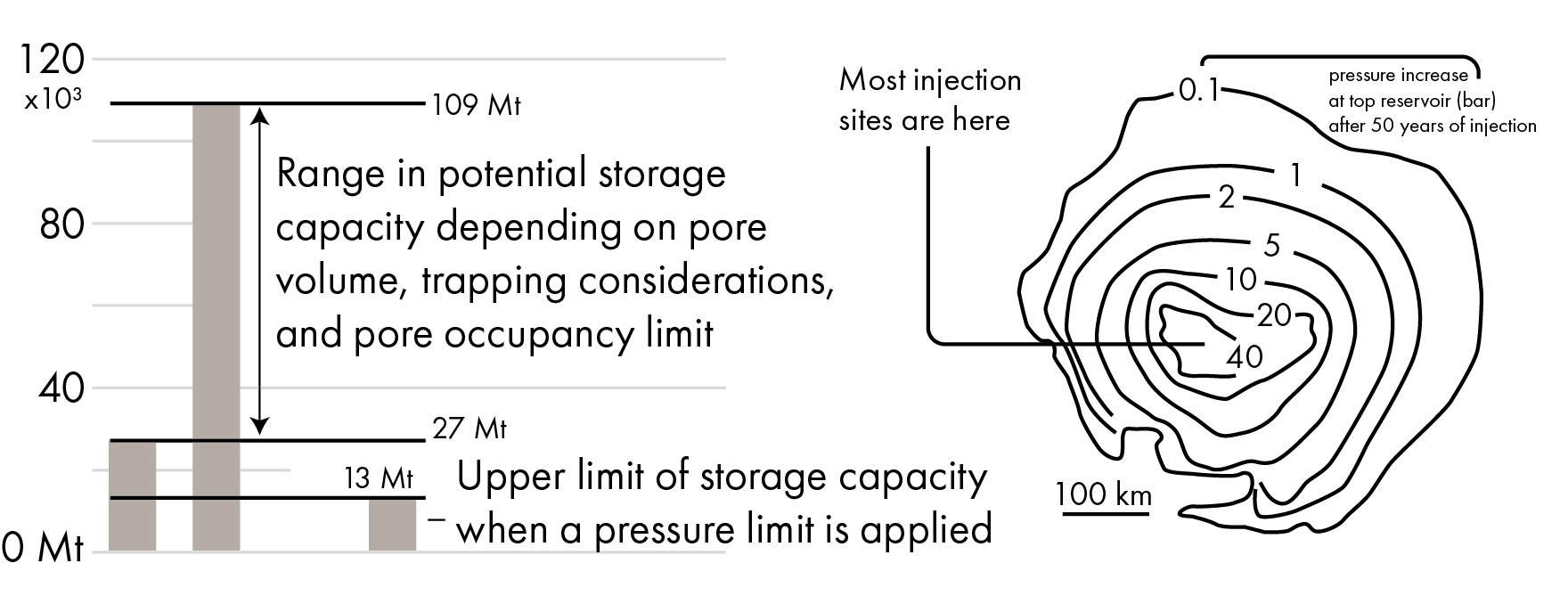
Because of this pressure effect, the authors argue that the actual storage capacity of CO₂ in saline aquifers is likely to be lower than what many have so far assumed. The reason is that most assessments rely on a fraction of the reservoir pore volume, which is referred to as the storage efficiency factor. This methodology does not take pressure build-up into account, leaving the assumption that pressure is not a limiting factor. But that’s unlikely to be the case. The numbers the researchers came up with are shown in the diagram, where the upper and lower limits of storage space capacity without pressure being a factor are compared against the same scenario where pressure was taken into account.
From a regulatory perspective, if the area that needs to be assessed for a storage project is getting much bigger than initially foreseen, potentially more than 100 km away from the injection site, how feasible will it be to assess the fluid migration risk for such a large area? Especially for onshore injection projects, I see challenges in that regard, especially when it comes to the geological screening that would be required to properly assess the risk of any leakage happening.