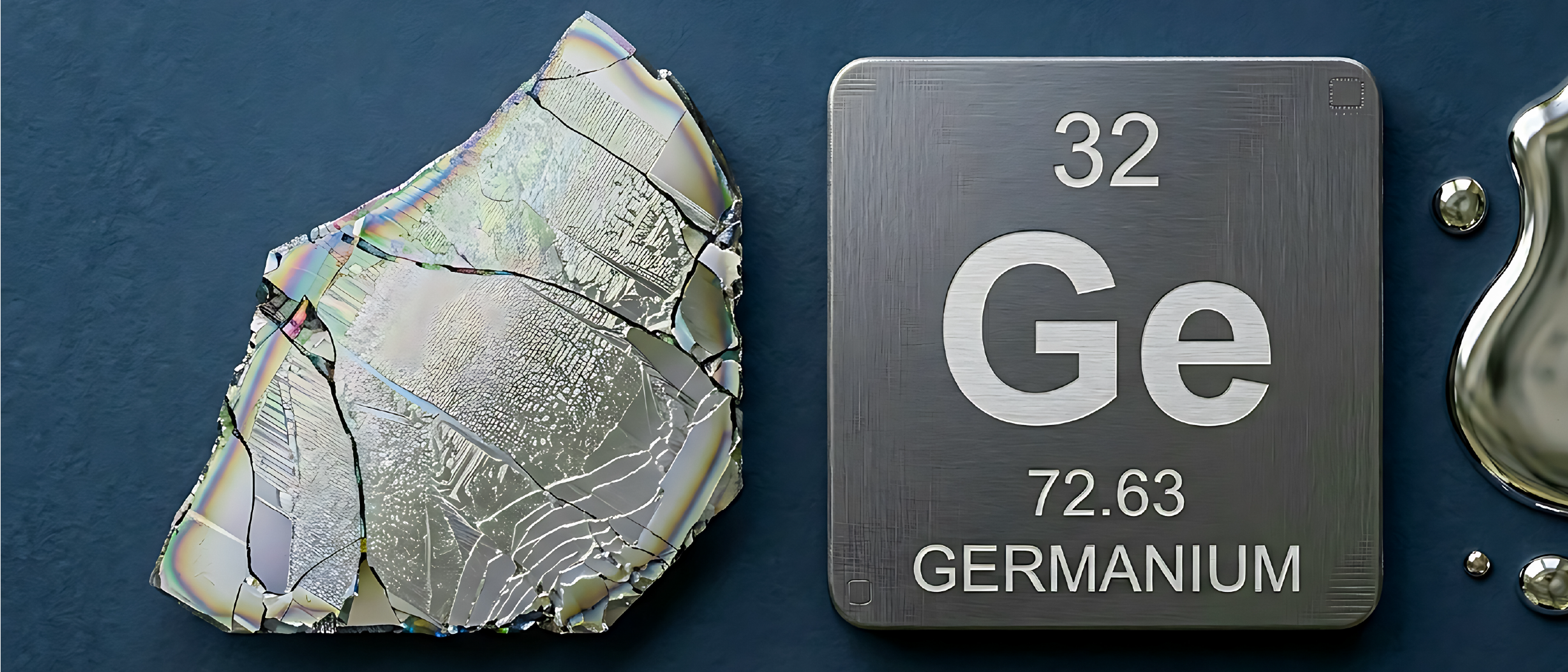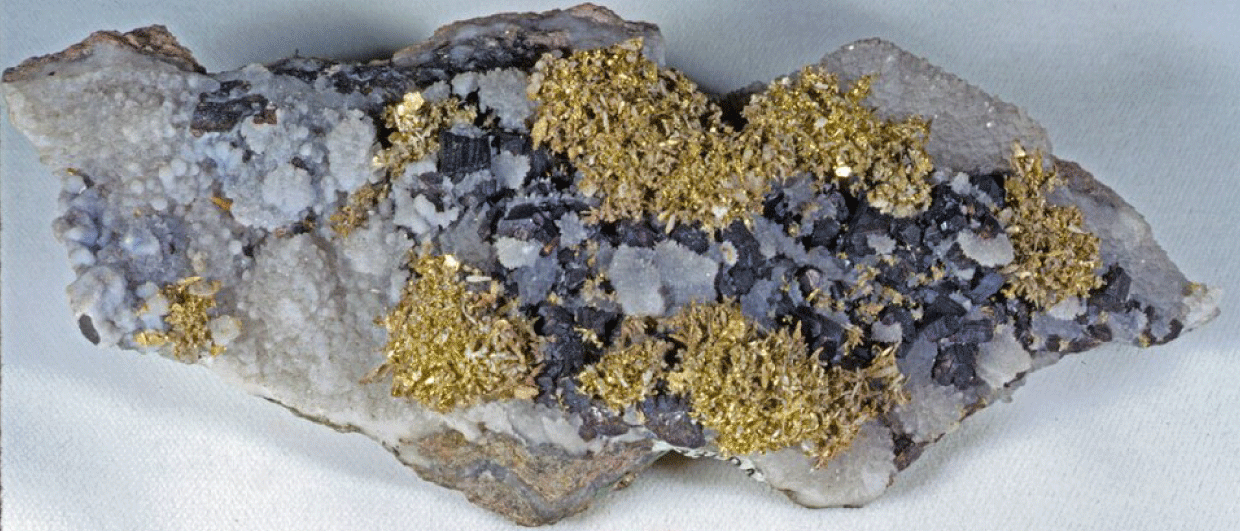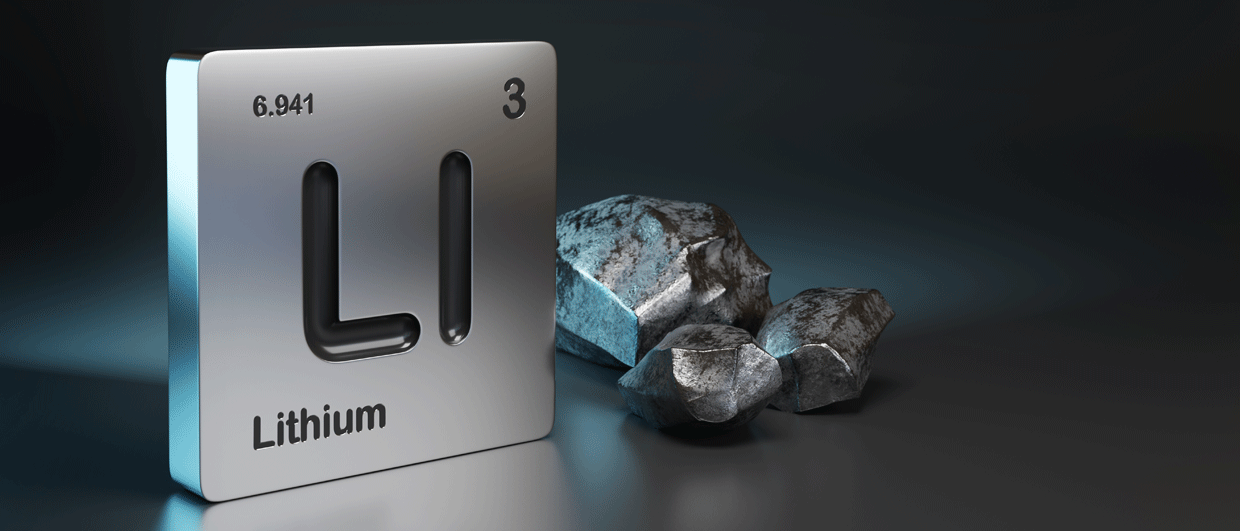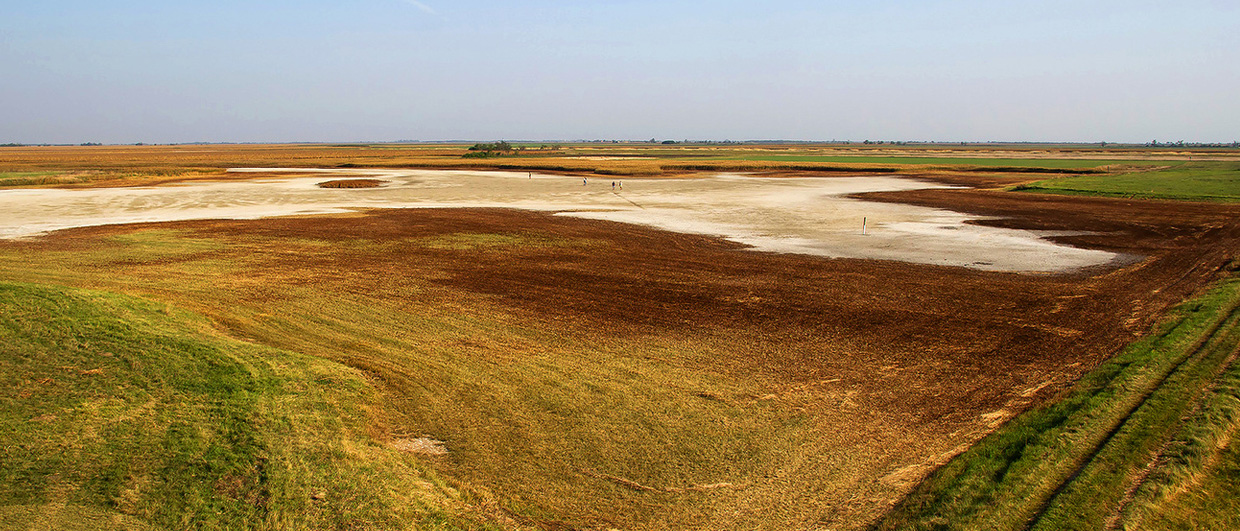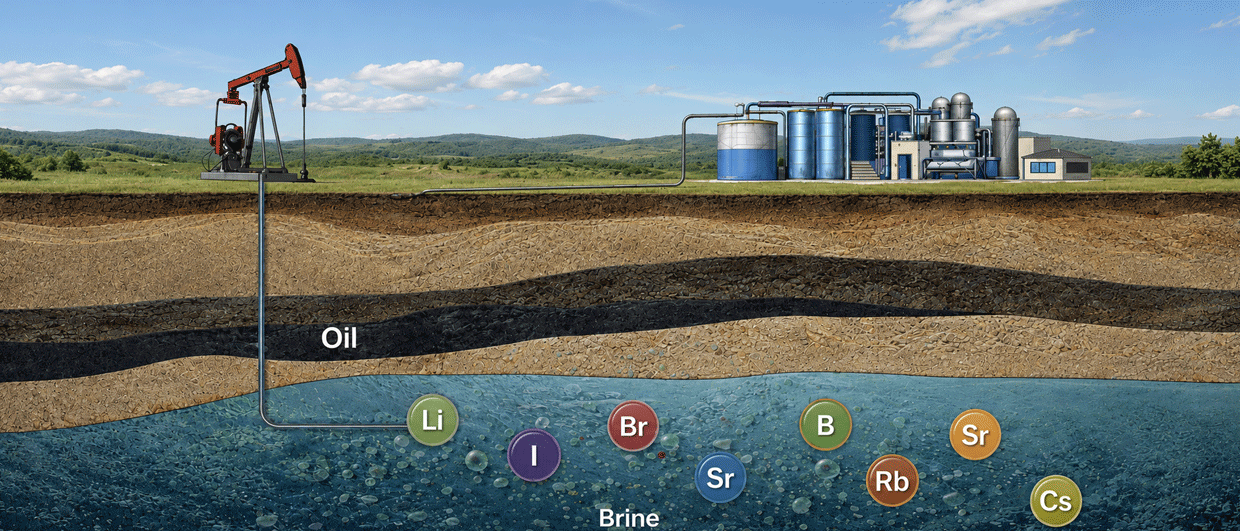
CRMs in produced water. Illustration: ChatGPT generated by István Nagy-Korodi.
What’s hidden in your reservoir brine?
Lithium was only the beginning

For more than a century, petroleum exploration has focused on hydrocarbons. Yet, sooner or later, every producing oil and gas field also brings something else to the surface: Formation water. Vast volumes of saline fluids accompany hydrocarbon production, typically treated as a technical by-product requiring handling, treatment, or disposal. But these fluids may represent something more. Reservoir brines are not merely waste streams – they are complex geochemical systems that may contain a variety of dissolved elements with industrial value.
Lithium has recently drawn attention to this overlooked aspect of petroleum systems. In several basins around the world, formation waters associated with oil and gas production contain lithium concentrations comparable to those found in some conventional lithium brine deposits.
However, lithium is only one element in a much broader geochemical picture. Formation waters are the result of long-term interactions between rocks, fluids, and heat within sedimentary basins. Over millions of years, processes such as mineral dissolution, diagenesis, and hydrothermal circulation gradually enrich brines with a wide range of dissolved elements.
The resulting fluids carry a chemical fingerprint that reflects basin evolution, burial history, and fluid migration pathways. While sodium and chloride dominate most formation waters, trace elements can reach surprisingly high concentrations in certain geological settings.
In the 1st part of this series, I would like to mention bromine (Br), iodine (I), boron (B), strontium (Sr), rubidium (Rb), and caesium (Cs). These elements are used in industries ranging from electronics and pharmaceuticals to energy storage and specialty chemicals.
Growing demand for batteries and energy storage has triggered global exploration for lithium resources, including those hosted in oilfield brines. Several sedimentary basins – such as the Smackover Formation in the USA and parts of central and eastern Europe – have demonstrated that petroleum reservoirs may host significant lithium concentrations in their formation waters. This has led to increasing interest in Direct Lithium Extraction (DLE) technologies, which aim to selectively recover lithium from produced brines. For petroleum operators, this introduces a potentially attractive concept: Turning produced water from a cost centre into a co-produced resource.
Many elements found in reservoir brines already have established industrial uses. Bromine is widely used in chemical manufacturing and drilling fluids. Iodine plays a crucial role in pharmaceuticals and medical imaging. Boron is essential for glass production and fertilisers, while strontium is used in ceramics, electronics, and specialty alloys. Rubidium and caesium, though less common, are critical for advanced technologies, including optical systems and atomic clocks. Individually, these elements may occur in moderate concentrations. However, when considered together, they suggest the possibility of multi-element recovery strategies from formation waters.
Lithium may have started the conversation, but the real question for geoscientists is far broader: What else might be hiding in your reservoir brine?