
When people think of unconventional oil, their minds probably go straight to North America, where long horizontals and multilaterals drilled in heavily faulted plays have unlocked massive gas, liquids, and heavy oil reserves. But there is similar geological potential stirring in unexpected corners of the world. It is therefore not a surprise that there are companies from both the USA and Canada exporting the technology and know-how built up in their backyard to new places.
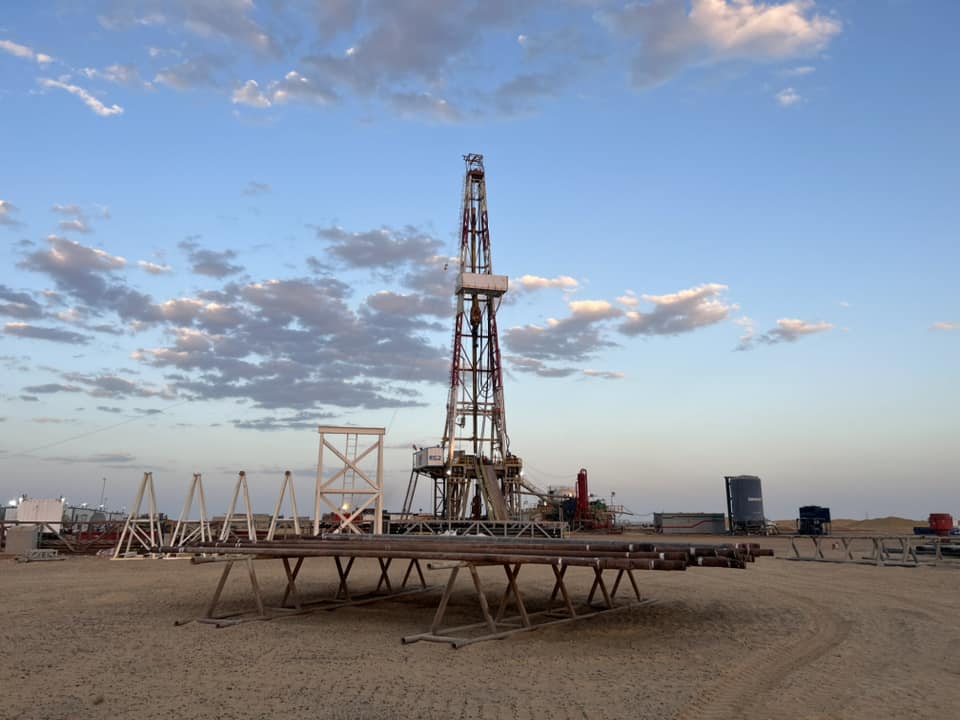
ExxonMobil’s recently announced agreement with Azerbaijan’s SOCAR to pursue unconventional oil is an example of that trend. On a smaller scale, Canada-based Alvopetro acquired acreage in Saskatchewan, where it plans to develop a discovery using horizontal drilling technology to subsequently export it to Brazil. Similarly, TAG Oil, also rooted in Canada, has its eyes on Egypt’s Western Desert.
Building on Egypt’s long history of conventional oil, TAG has now proven the potential of the Upper Cretaceous Abu Roash “F” Formation with a horizontal test well – despite the well being shorter than planned. Apache and other operators have seen similar encouraging results here, signalling that a field once conventionally tapped by Shell may hold a far richer unconven-tional promise.
Nathan Kneisel, a consulting geologist working for TAG, logged much of the exploratory geology on this project in Egypt. Having Geosteered 20 years of exploration and production wells in heavily faulted strata across the Canadian oil patch in the Peace Arch, Deep Basin and many more, Kneisel was struck by the parallels he saw in Egypt.
“This was a fascinating project for me, seeing the potential that can be unlocked with the Geosteering skills and tools we’ve honed,” he explained. “Like the trial and error that uncovered Egypt’s first tombs, the Geosteering secrets the rock revealed in this first well are the key to unlocking this and many more fields across the Middle East.”
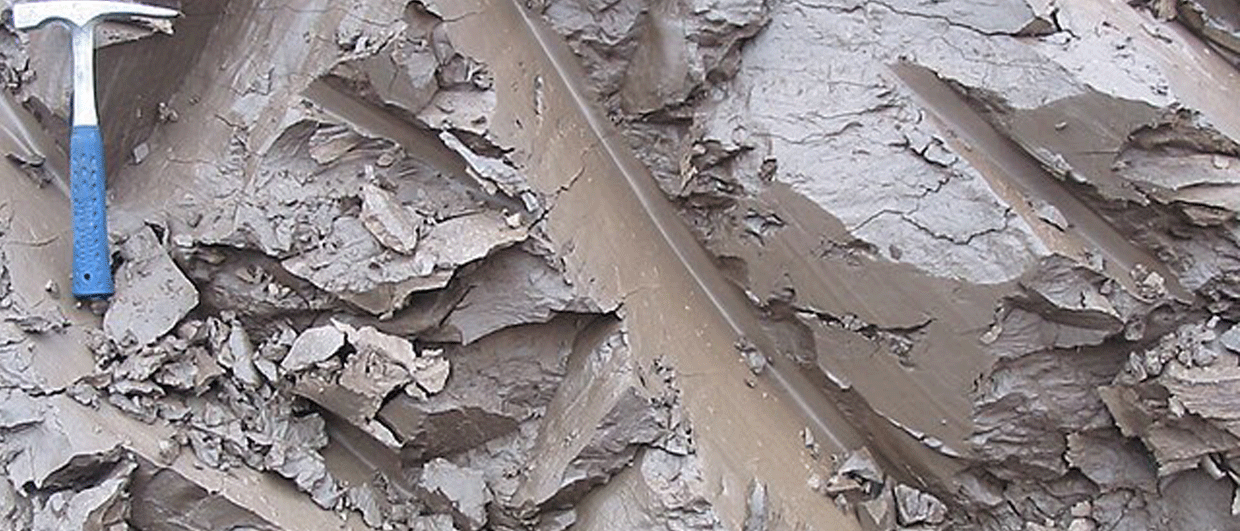
And the rocks themselves tell an enticing story. The Abu Roash Formation – sometimes called the Eagle Ford of Egypt – are outcropping just 10 km south of Cairo near an ancient pyramid site closed to the public. The dark limestones, deposited in a shallow marine setting, have also been used as building stones. Subdivided into seven units, it has long been known as a conventional reservoir, but with a pay zone of over 20 m thick and an areal extent that far exceeds the size of most conventional oil fields, this naturally fractured and faulted interval is now ready to be navigated with modern directional drilling and geosteering tools.