
A third of the world’s helium comes from Qatar, a lucrative by-product of natural gas production. Even though the North Field contains only 0.04 % helium, the vast volumes of hydrocarbon production result in Qatar being the second largest helium producer in the world, leaving only the USA ahead of it.
Due to the Iran war, helium production and supply have been halted. Closure of the Strait of Hormuz means tanker ships filled with helium cannot leave Qatar and even after reopening of the strait, helium supply will remain affected. Qatar Energy reported that missile strike damage to Ras Laffan Industrial City will take three to five years to repair, and over that period Qatar’s helium export will be down by 14 %.
Asia and Europe rely heavily on Qatari helium and are now questioning how to cover the shortfall and diversify their supply.
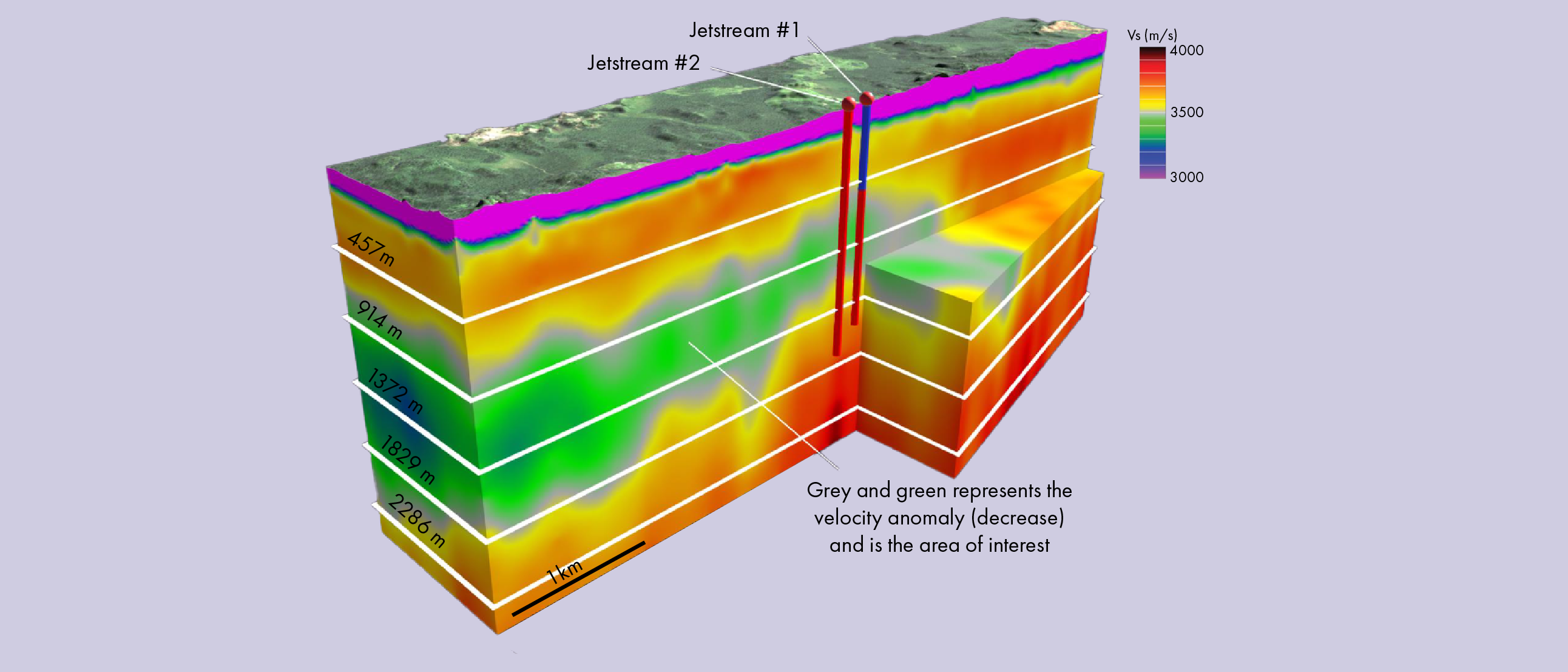
Over the past years, there has been a rising trend of helium exploration outside known hydrocarbon basins. Although most of this exploration and new production is concentrated in North America, there is also a promising project in the early stages of development in Tanzania. In South Africa, ASP Isotopes is progressing towards commercial co-production of helium and biogenic methane in Free State. The wells contain over 3 % helium, a whopping concentration when it comes to this noble gas.
The issue with helium is that the molecule is so small and light, that it eventually escapes to space. Hence, even though helium is not burned or altered, applications need to be constantly resupplied. MRI scanners, for example, use liquid helium to cool the magnets so they become superconductive. Traditional MRI systems need constant refilling with helium to counter evaporation, at a cost that easily exceeds £19 000/year. However, the latest models are equipped with ‘zero boil-off’ technology and only need occasional refilling. Gradual upgrading of MRI machines will therefore reduce the helium demand of the healthcare industry.
Another still underutilised option is the recycling of helium gas. Some large helium offtakers, like for example TSMC, one of the world’s largest chip manufactures, have their own recycling system in place. Although they manage to reuse the majority of gas, losses amount quickly to significant volumes because of the large quantities of helium involved.
In response to smaller helium consumers that can’t afford their own recycling technology, 45-8 Energy started a mobile recycling operation in Western Europe. Companies can sell their degraded helium to the Recycl’He program and 45-8 Energy will collect and repurify it.
In short, to achieve a more diversified helium supply, exploration should concentrate on politically stable regions and expand beyond the current list of eight producing countries. In addition, technological advances and increased helium recycling can reduce pressure on the market. Or we could all opt to have no helium balloons at our next party.