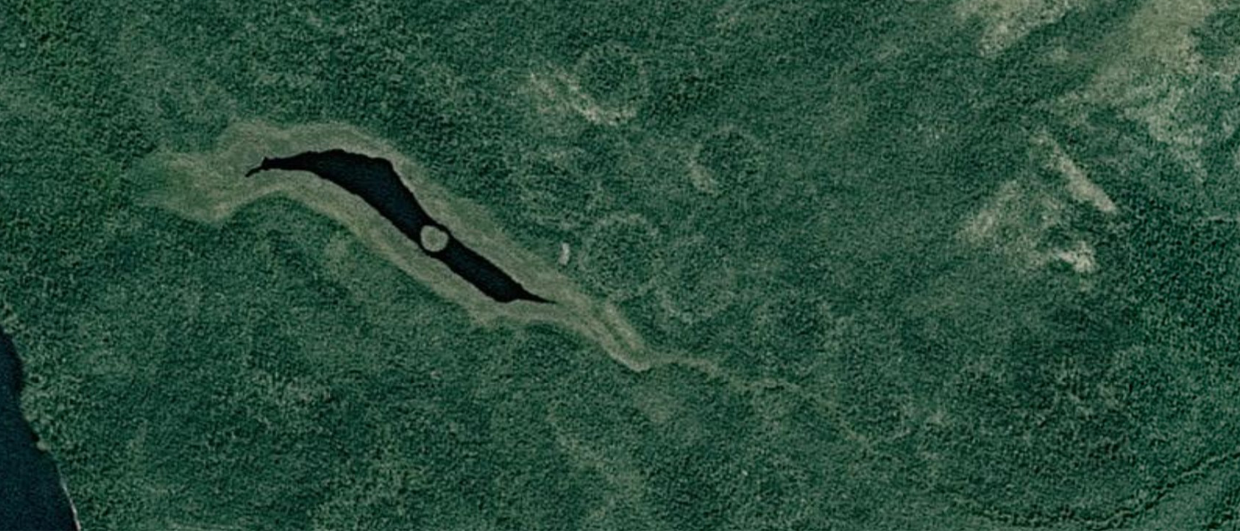

It is generally accepted that most of the natural hydrogen is generated by reaction with water and ophiolites of the mantle, locally obducted towards the surface. Hydrogen tends to escape to the surface through faults, often associated with hydrothermal waters.
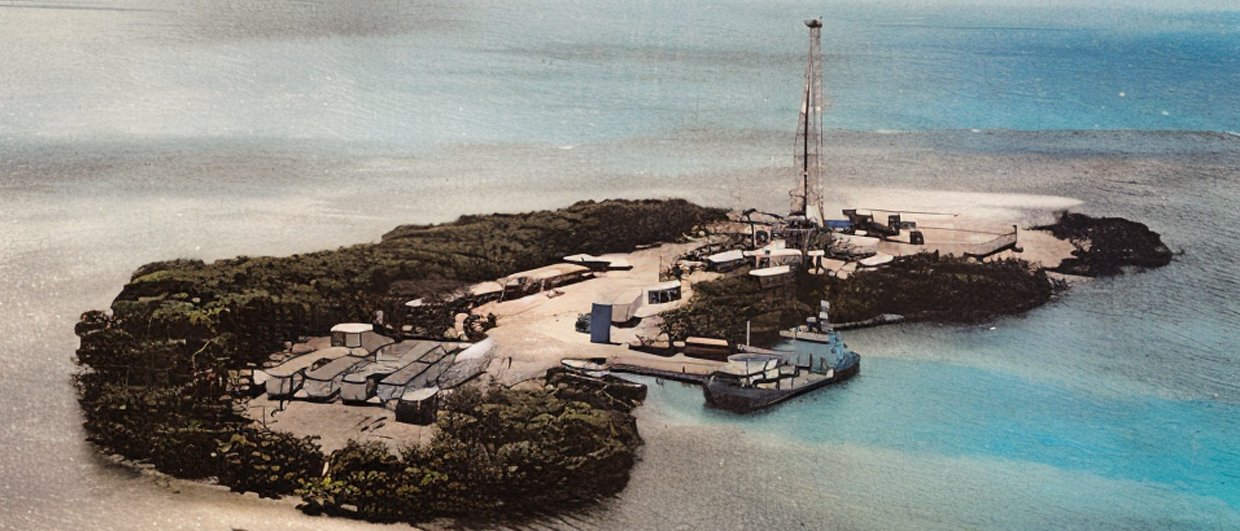
Cuba has ophiolites at the surface and at depth. This author believes that the sprinkling of islets (cayos) and larger shoals in the West Cuba Caribbean, a paradise for lobster and fish lovers, are generated by gas and fluids seeping to the surface as mud volcanoes, hydrate mounds and seep-related reefs, gradually encouraging growths on the sea bed.
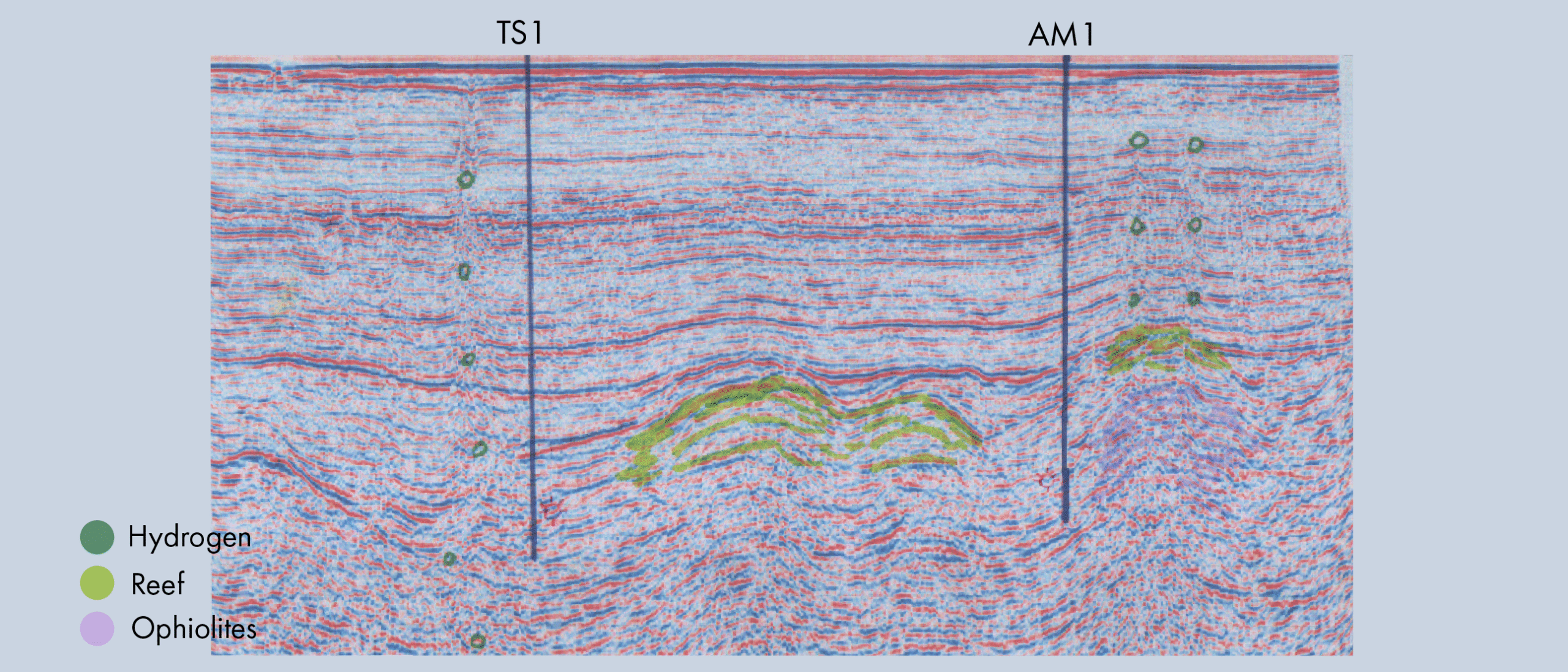
On good quality seismic data, gas chimneys and vents can be recognised that often obscure seismic signals altogether.
On these cayos, this author and colleagues have often found hand-size disks of plastic bitumen, believed to have been expelled from great depths by hydrothermal waters and gas.
During the fifties, Stanolind drilled well Tortuga Shoal (TS-1) to 9,700 ft. The well found fragments of rudistic reefs in a basinal Cretaceous section and had a gas kick at 9,300 ft. During the nineties, a diverse group of Swedish, Italian, Spanish and Canadian companies drilled well Ana Maria- AM-1, which found and tested 20 m of overpressured gas in a porous Cretaceous limestone. The basinal Cretaceous section contained fragments of rudistic reefs. A side-track (AM-2) drilled into 190 meters of an ophiolite complex. The Cretaceous sediments contained crystals of sphalerite, saddle dolomites, and uranium believed to be associated with hydrothermal waters. Neither of the two wells found obvious source rocks.
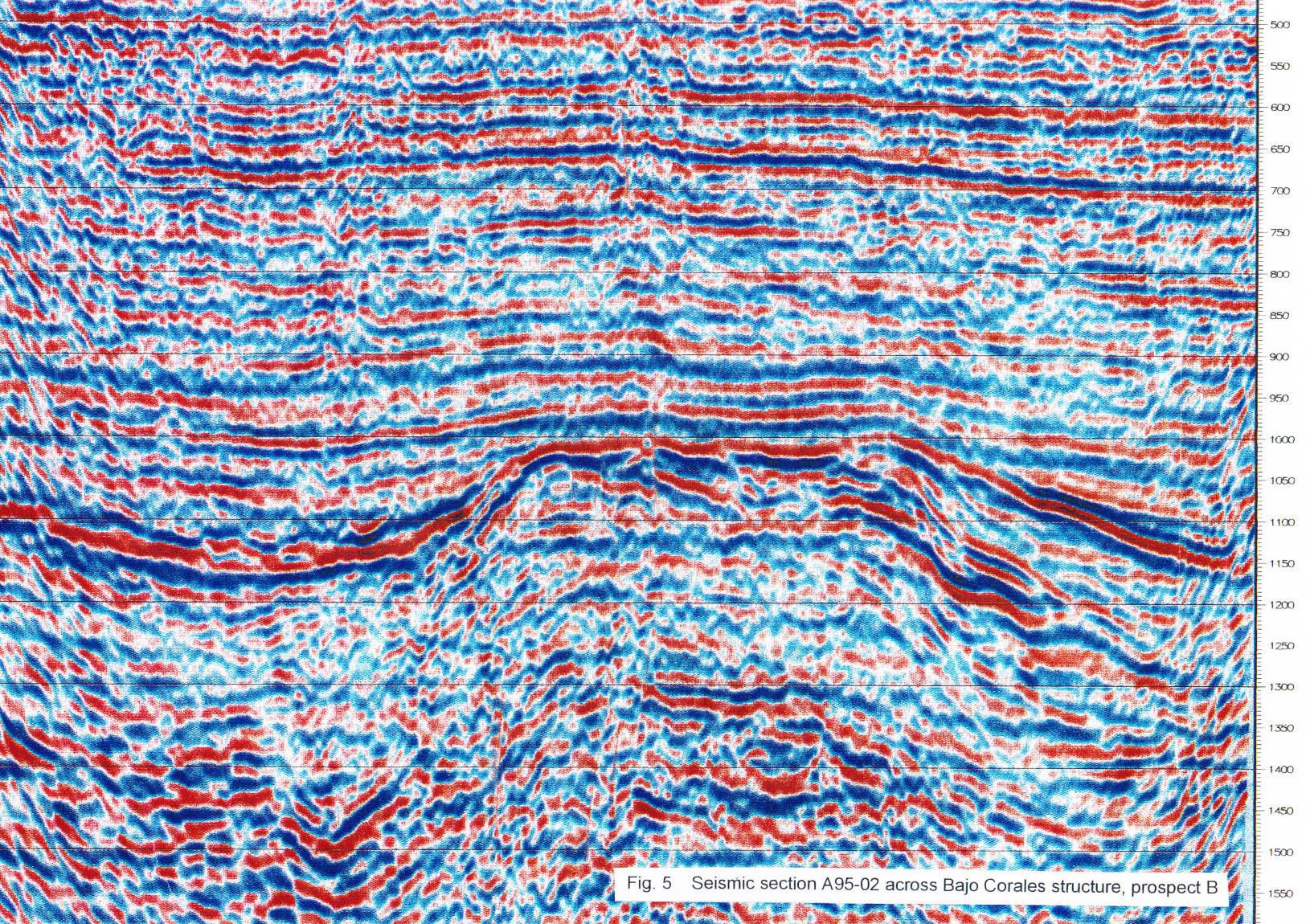
These wells were practically blind stratigraphic holes, as seismic control was skimpy and quality was poor below the Tertiary; AM-1 found 33 degree dips in the Cretaceous section. At that time, the Upper Cretaceous reefs could not be recognised, let alone mapped. New, good-quality seismic of the late nineties revealed a number of these reefs, many with DHIs such as flat spots.
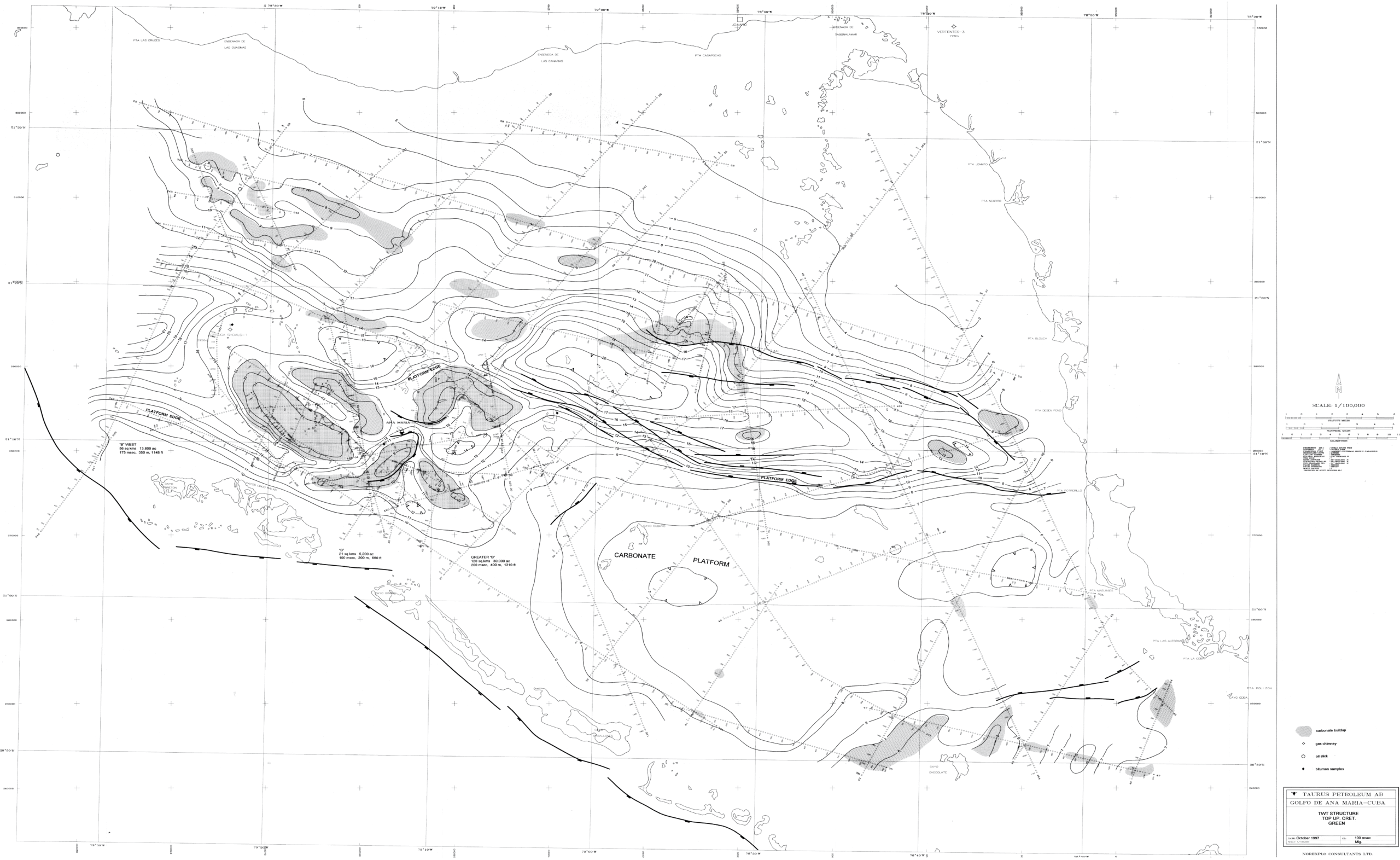
A two-way-time structure map at Top Cretaceous, see below, shows the cluster of five large reefs in grey. The total potential gas reserves of these five reef bodies has been calculated to be 18 Tcf of mainly hydrogen and methane. In addition to these reefs, an additional 20 reef bodies have been mapped in this area, some with clear DHIs.