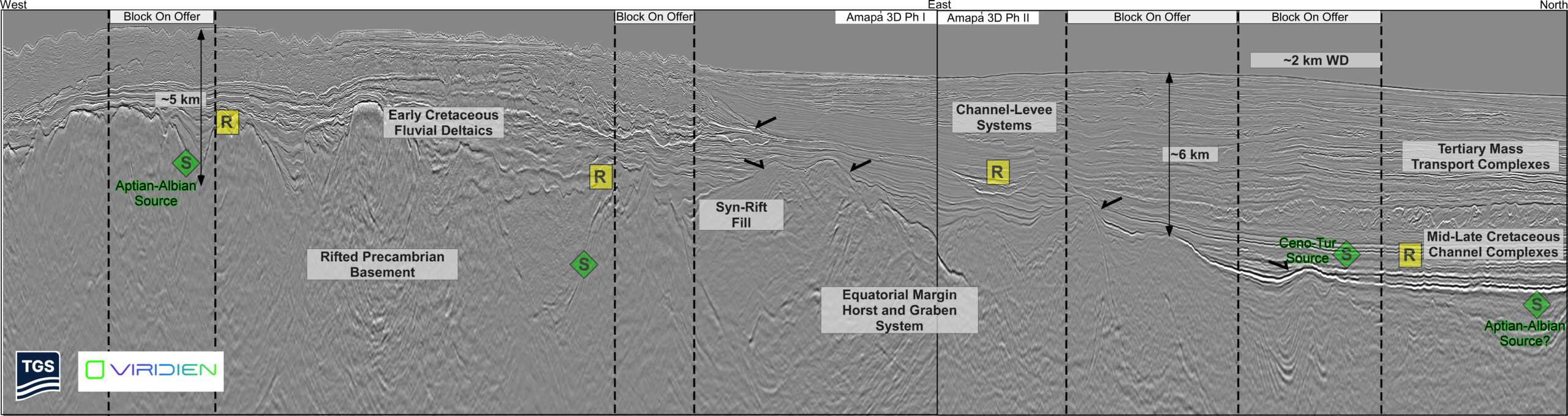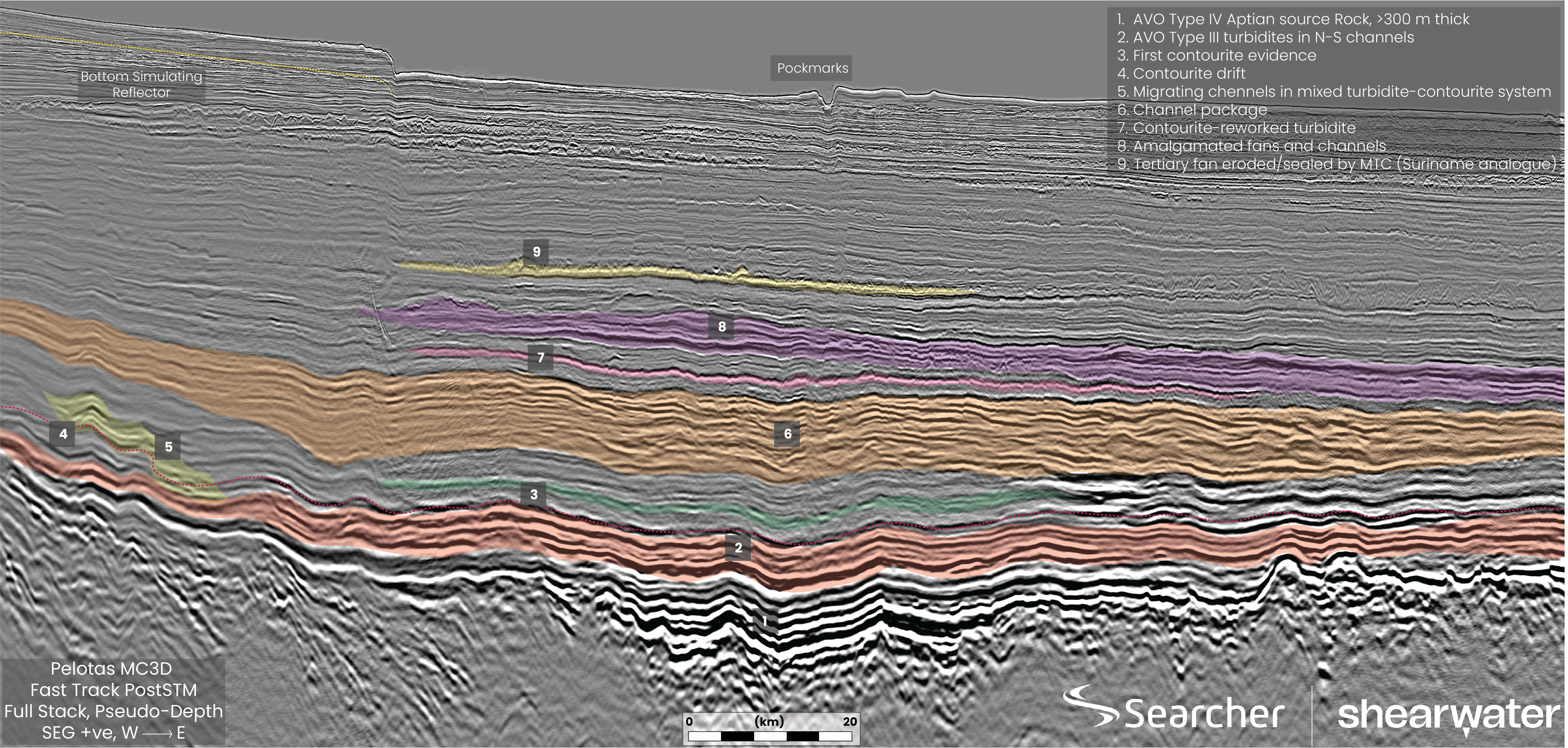

In August 2025, bp announced the much-needed news that its exploration well designated 1-BP-13-SPS in the Bumerangue Production Sharing Contract block, located in the prolific Santos Basin, was a significant oil and gas discovery. The discovery represents bp’s largest discovery since Shah Daniz in the Azerbaijan sector of the Caspian Sea in 1999. Planning of appraisal activities is reported to be ongoing, with drilling expected to commence in early 2027.
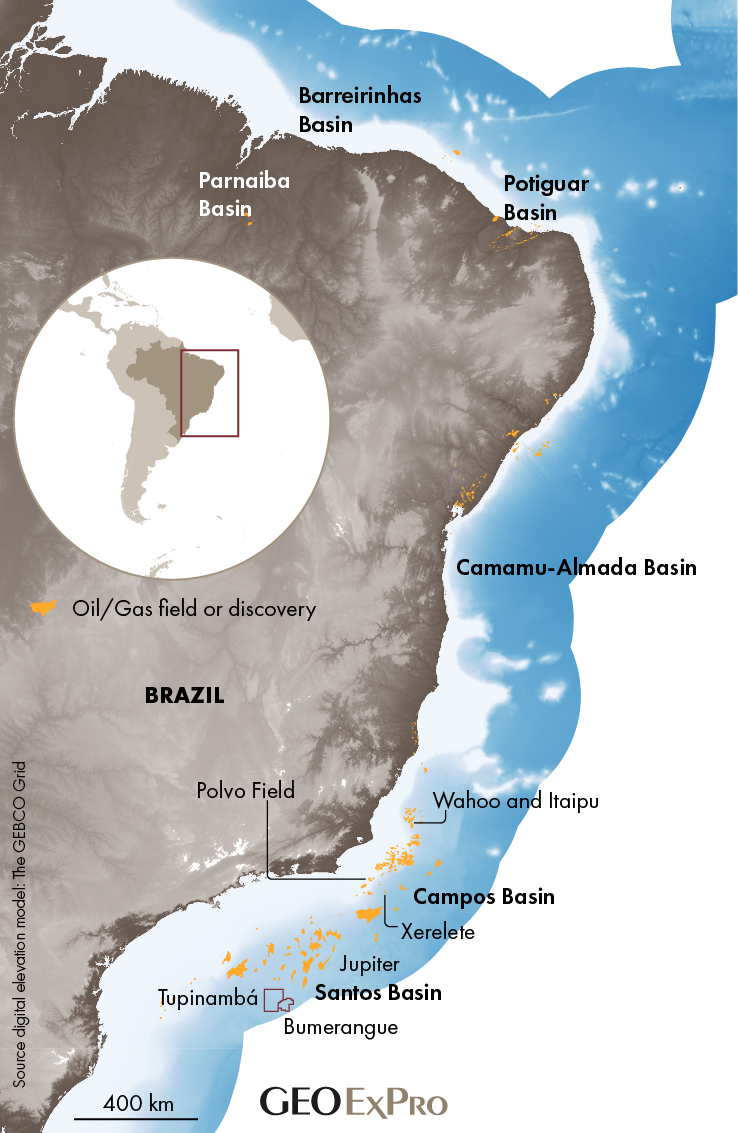 Development of the field, with its estimated resources in the billion barrels of oil equivalent range, will be a challenging project. This includes the technical difficulties of managing higher levels of CO2 typical in the pre-salt reservoirs in the Santos Basin, such as Jupiter. bp has experience in developing fields with high CO2, though, including the Tangguh-operated complex in West Papua, Indonesia.
bp’s big move into the Brazil upstream space occurred in 2010 when it acquired Devon Energy’s assets. Devon’s Brazil package comprised eight licence blocks in the Campos and Camamu-Almada Basins, as well as two onshore licences in the Parnaiba Basin. The Campos Basin blocks included three discoveries at Xerelete, pre-salt Wahoo and Itaipu, and the producing Polvo field.
In 2013, bp strengthens its position further when it completed a deal with Petrobras to farm-in to five deepwater exploration and production concessions in the Potiguar Basin, and was awarded blocks in the 11th Bid Round. However, ahead of the success in the Bumerangue block bp had relinquished acreage in the Pau Brasil PSC block in the Santos Basin after the disappointing 2024 deepwater 1-BP-12D-RJS wildcat, and the BAR-M-346 concession, located in the Barreirinhas Basin, due to difficulties in the environmental licensing process.
bp currently holds interests in eight offshore blocks across three basins in Brazil, with four as operator. Interestingly, as part of its portfolio realignment in recent years, the major no longer holds any of the Devon assets it acquired in 2010 to give the company a foothold in the country. The Devon assets were either sold or handed back to the Agência Nacional do Petróleo, the government regulator. In the case of the producing Polvo oil field, it was divested in 2013 to HRT Oil & Gas due to disappointing production results.
In addition to appraisal drilling in the Bumerangue block, a much-anticipated exploration well is planned by bp on the contiguous Tupinambá PSC block in 2026. Contingent on results, two more wells might be drilled thereafter, with one possibly testing an extension of Bumerangue into the block. The Tupinambá play type is thought to be the same as Bumerangue, and the Tupinambá High is considered one of the highest structural features within the Outer High of Santos Basin.
It is worth mentioning that bp was awarded both the Bumerangue and Tupinambá PSCs at 100 % equity. Companies ignoring the offering for these two blocks will therefore watch results closely.