Image by Tony Harding from Pixabay.
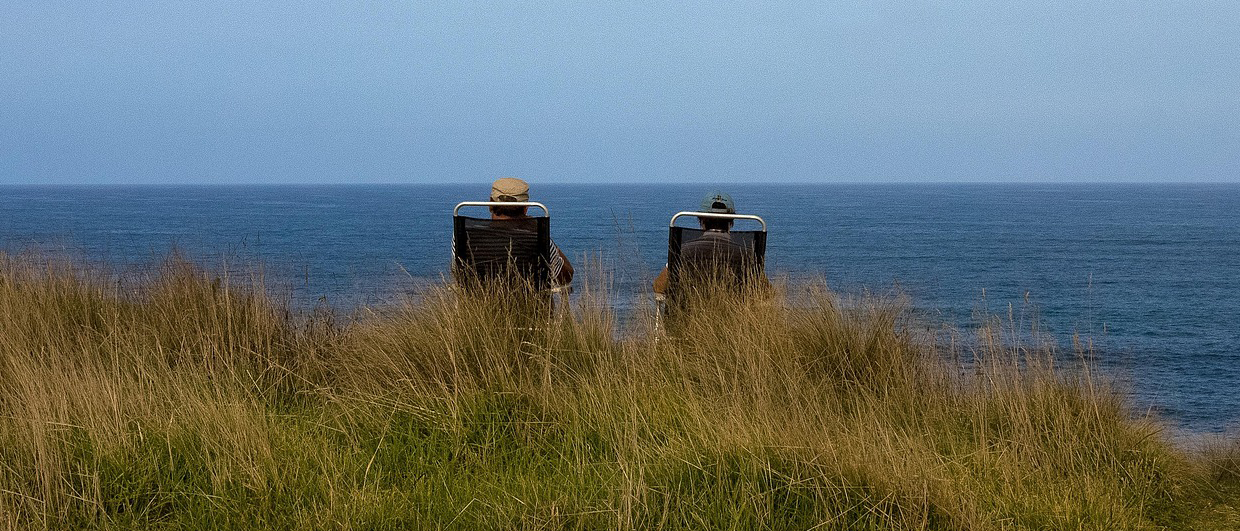
Who retires first – me or the field I’m working on?
Or – how people hang in there for as long as is possible

Full disclosure: the thoughts put down in this article are all my own. I have not performed any interviews for this piece, and draw purely on observations made over the past few years, living and working in an oil town in Europe.
If you are a recent starter in the job market, retirement seems like a distant thing. Who cares? But as the years progress, at least that’s how it worked for me, you sometimes start thinking about that moment you don’t need to get up and be somewhere for someone.
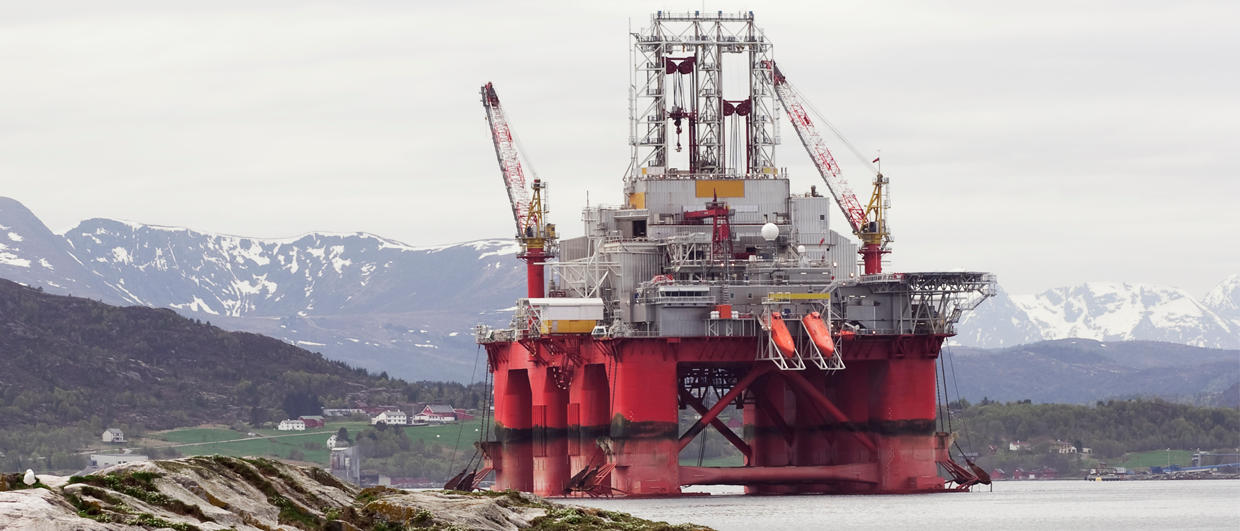
In the meantime, as you are in full swing of the daily, weekly and even annual routine of Christmas parties that all blend together in one kind of memory, you hear the story of the end of oil, being told by a wide variety of experts of different schools of thought. But it’s always there, and the decline curve of the field you are working on is a daily reminder of what is an undeniable fact; at some point in the not too distant future, the economics will be decisive and determine the day the last barrel of oil will be extracted from the reservoir kilometres below.
And as the decline curve turns from a dashed line projection into a hard line reality, not only for the single field that you monitor but also for the basin as a whole, you start to ask yourself that question; will it be possible to finish my career in this business, or will the business retire first?
These thoughts come and go, but in the meantime, the musical chairs have started as more and more fields retire. Against this backdrop of declining overall employment in the industry, you see people jumping ship from one employer to the other in an obvious attempt to secure a job that could be more stable than the one they had before. And that always looks like a wise decision at the moment you see the job update on LinkedIn, until a company shake-up ends that aspiration abruptly, or CCS is growing out of favour and a project pipeline dries up before it could even kick off properly.
What does it do to people? I think it causes a level of gloom. The continuous talk of the end of the basin, the rising water cuts, the platforms that get rustier and rustier, it wears people down. In a way, you feel like you are working in a sunset industry. For years on end. Combined with a public scrutiny of the work you do, it is no surprise to hear that people are keen to retire early, or just escaping the continuous threat of redundancy for more stability even when pay is not as good.
And this is all happening against a backdrop of a global rise in oil production. There must be places where the mood is very different from what I experience on a daily basis, but I must say, I feel there are not that many. Having travelled to quite a few oil hotspots in recent years, and having talked to many people in those places, in most cases I had the feeling of decline and maturing basins, an ageing workforce, and a squeeze in job opportunities.
If it does one thing to me personally, it is fuelling my rising curiosity about how this apparent trend in job opportunities can be married with the stubbornly high demand for oil. Because as people in this industry seem to move towards retirement, oil production and consumption clearly are not. For that reason, I am happy to be in this position as an editor, because it will allow me to follow this industry for a few more years to ultimately find out who is retiring first.