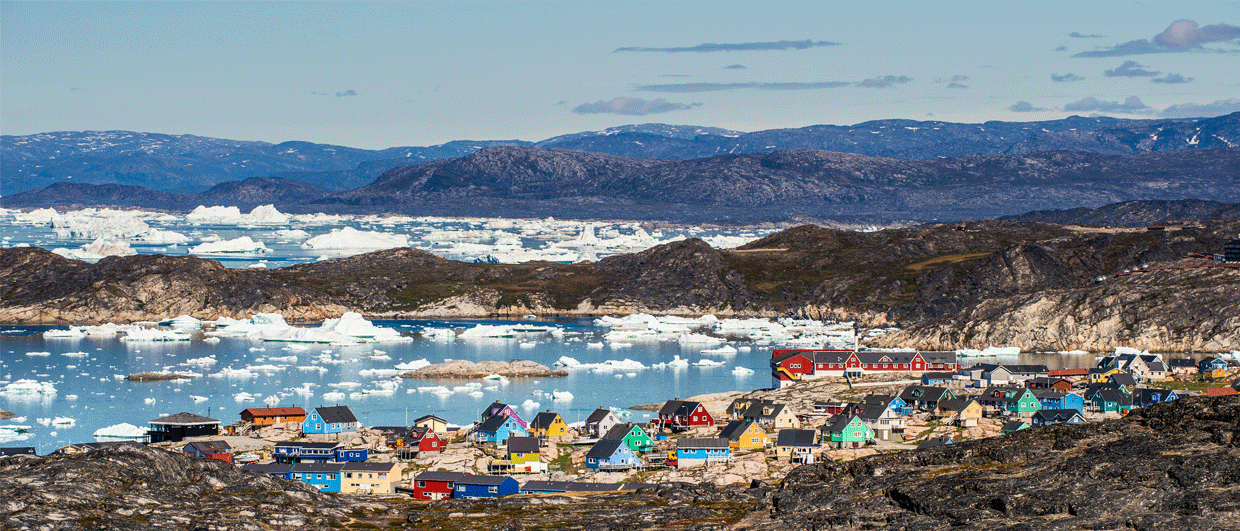
Photo: Uryadnikov Sergey via Adobe Stock.
Will Greenland be the next oil hotspot?
According to Robert Price, there is a good chance. And he and his team are going to test it with the drill bit this year

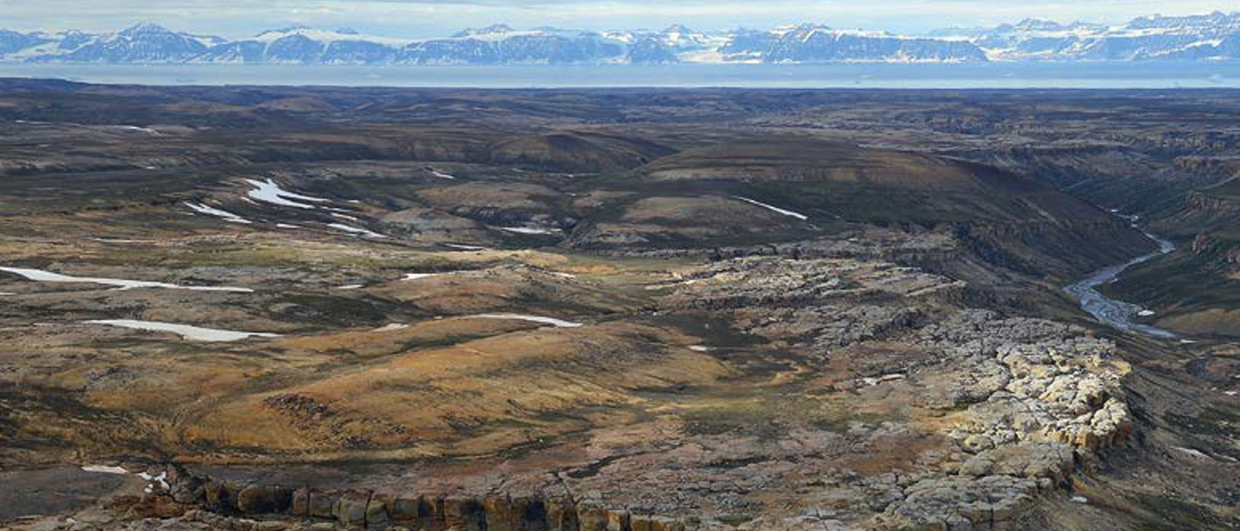
These days, it is quite common to hear that frontier exploration is a thing of the past. But what is about to happen in Greenland this year should cast some doubt on that notion. If things go to plan, in July 2026, the first of a two-well campaign will be drilled by the Greenland Energy Company on Jameson Land, situated along the rugged east coast of the vast white island.
But didn’t Greenland introduce a ban on oil and gas exploration a few years ago? Yes, that is true, and I was initially a bit sceptical when I was passed the drilling plans. However, there is a valid reason as to why drilling can start next year; the licences already existed when the ban was introduced, and the government acknowledged that drilling is allowed to take place.
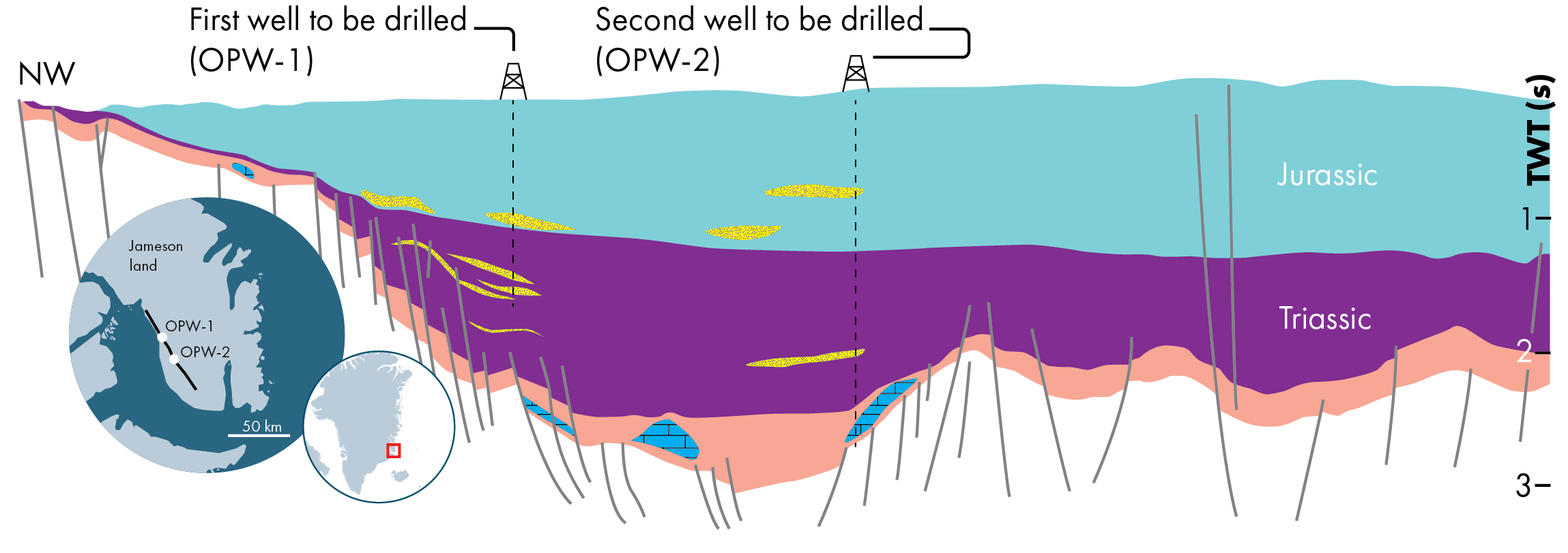
And it will take place, as the project is 100 % financed through a merger between Pelican Acquisition Corporation, Greenland Exploration, and March GL Company. Only for that reason, it is worth writing about this, as so many companies claim that drilling is imminent, whilst in reality, they still need a farm-in partner to stump up the cash. I met up with Robert Price on Teams, who is calling in from Denver, Colorado, to hear more about the project.
The footsteps of ARCO
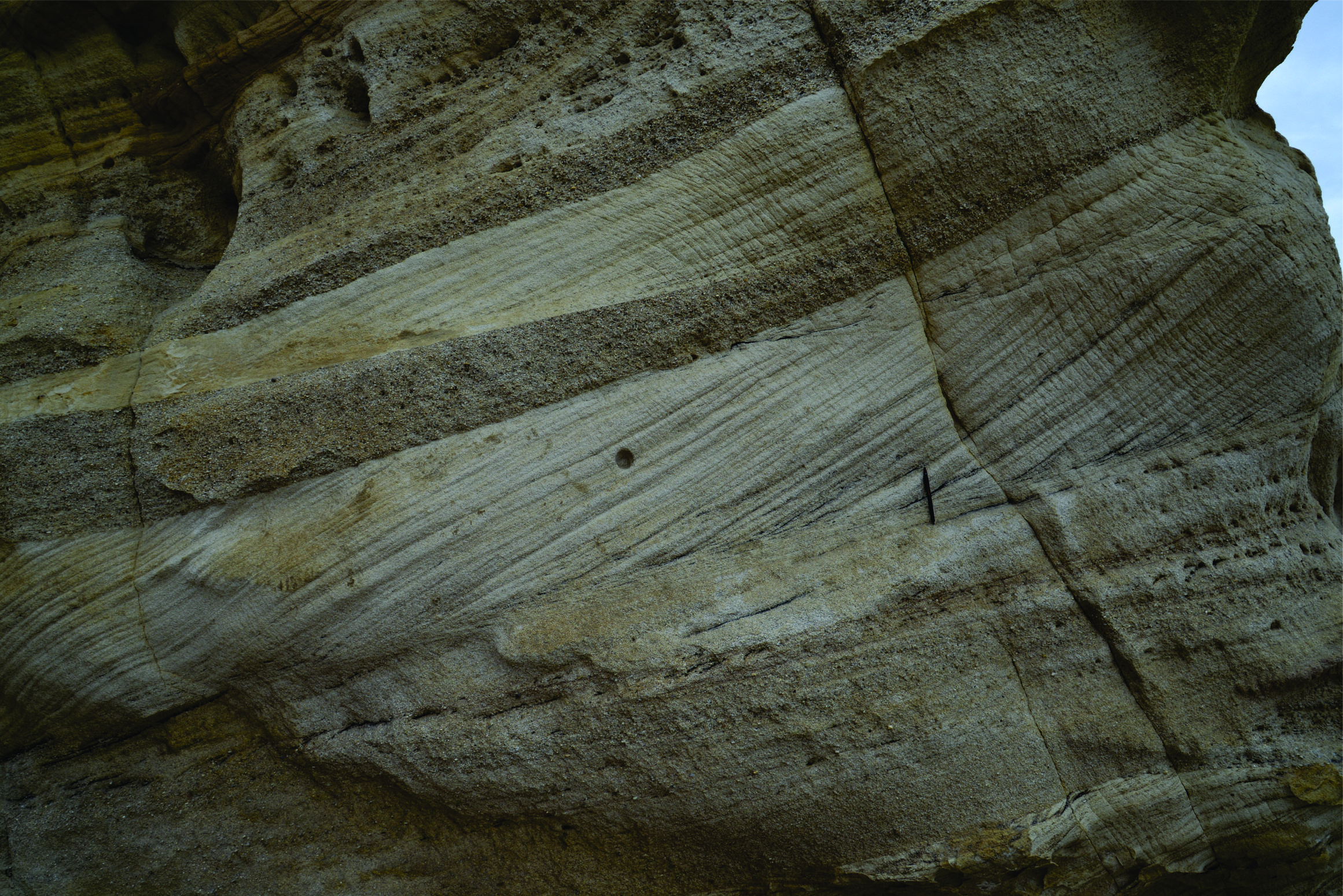
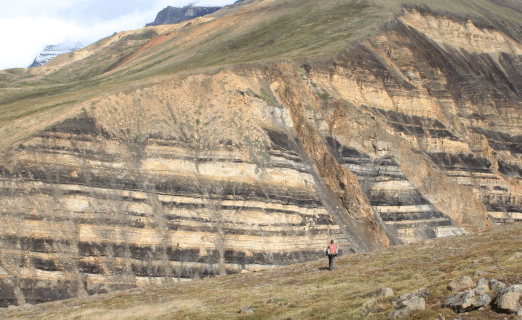
“We are walking in the footsteps of the ARCO New Ventures team here,” he says. This company, which is behind the discovery of Prudhoe Bay and more global giants, had identified Jameson Land on the Greenland east coast as holding major promise in the 1970s and 80s. Before the North Atlantic break-up, the area neighboured what is now mid-Norway’s Haltenbanken, where plenty of oil and gas have been found. The Arco team recognised that with the same source rocks and reservoirs present, there should be potential to discover something major. The company even built an airstrip on Jameson land that is now being used again.
But the first spud from Arco never came, driven by external factors, and the area was forgotten for many years. Until recently. “We have already secured an onshore drilling rig from Canada, transport is arranged to Greenland, and a road is currently being built,” said Robert. He and a team of consultants and service company representatives had already visited the drill site, where they found oil slicks in little puddles.
But even though the area shares the presence of Jurassic source rocks with the Norwegian margin, a difference is that it experienced a more extensive phase of uplift during Cenozoic times than the Mid-Norway. One of the main questions, therefore, centres around how uplift affected the petroleum system. There is only one way to find out, and that is now going to happen.