
A few years ago, I asked a seasoned wellsite geologist about the biggest subsurface surprise she had ever seen over her long career working on rigs. Rather than coming up with a list of fascinating observations, she said she couldn’t remember something very spectacular. I often think about that occasion, just because it was so different from what I expected to hear. I do believe what she said, though, and it shows that the subsurface is more of a layer cake than I wanted to admit.
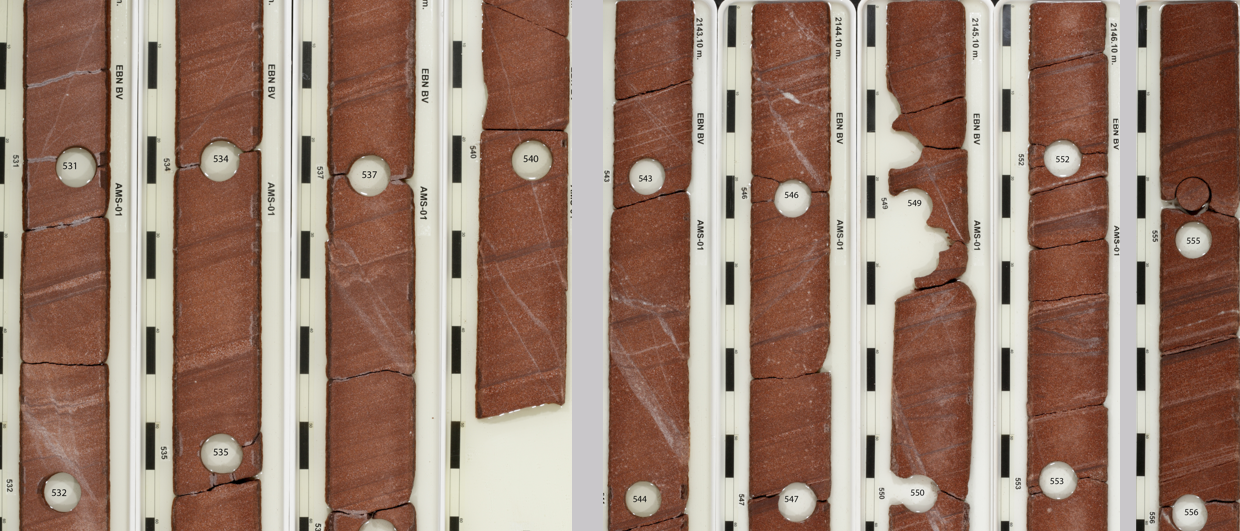
At the recent GET Conference in Rotterdam, the Netherlands, I asked that question again. This time, it was a geologist working on the SCAN project, which is about drilling a series of geothermal exploration wells in the Netherlands in search for reservoirs that lend themselves to heating projects. When I asked the question, seven wells had been completed in areas that had never seen a major oil and gas exploration drive, which was the justification to drill these wells in the first place.
So, after I asked the question, there was a short silence. And then came the response that I could have foreseen, given my experience from before; nothing too obvious came to mind. However, in this case, it was not the end of the conversation. Maybe because in this case, it was an in-person conversation and not a Teams call, the geologists had another thought and concluded that there was, in fact, something that was worth noting.
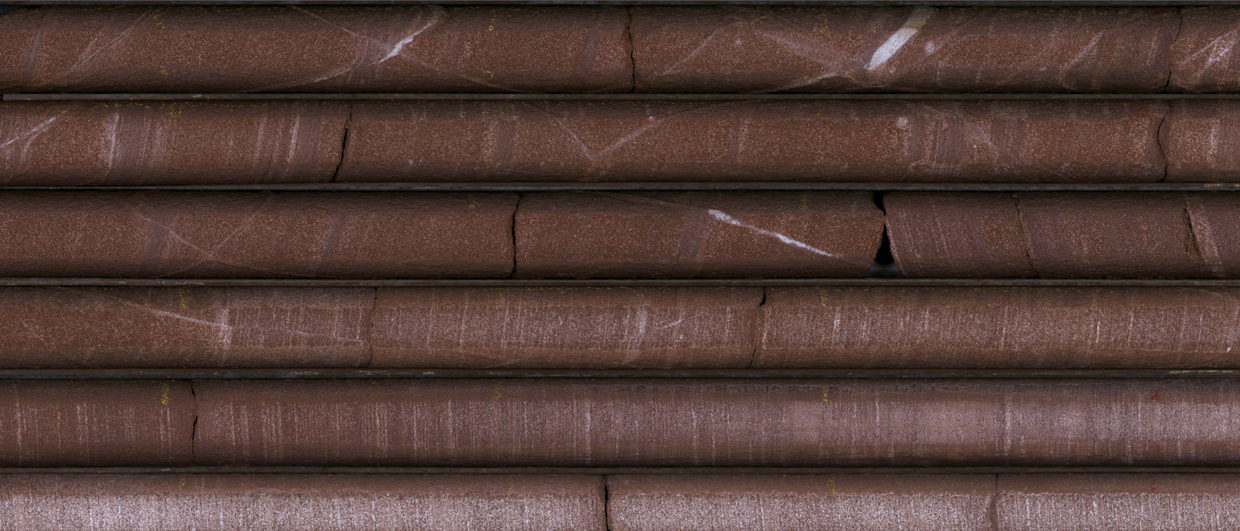
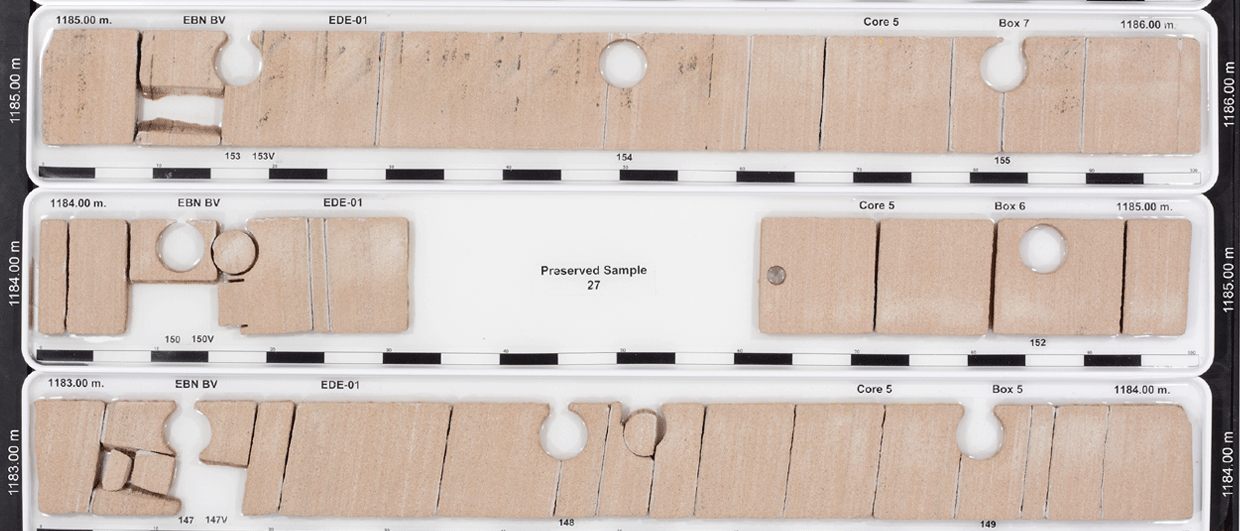
In one of the more recent wells, EDE-01, the Rotliegend target, a Permian eolian sandstone unit, was not only found to be a good reservoir, but the hydraulic head of the brine turned out to be above surface level. In other words, the well would flow naturally if opened. That was a bit of a surprise. In most cases, due to the higher density of deeper brines, the hydraulic head of deeper aquifers remains at several tens of meters below surface, which is why a submersible pump is often required for geothermal projects.
And that was not the only surprise this well had in store. In addition to the Rotliegend showing higher reservoir pressure than expected, the overlying Zechstein carbonate also showed good reservoir properties. That does not happen often, as this limestone unit is one of the Zechstein cycles that is not particularly known for its favourable reservoir properties.
Then, I asked when this area would see its first geothermal production well drilled; the positive outcomes would suggest that there should be an appetite for it. But then came yet another unexpected response; there will be no geothermal development drilling in the foreseeable future. The reason? Lack of access to the grid, or net congestion, as it is called in the Netherlands.
Even when drilling starts tomorrow, the site will not have access to the grid and will therefore need to wait until it can be connected. How long will that take? I think nobody knows, but it was definitely an unexpected response to what seemed to me a very straightforward question.
As it happens, subsurface conditions seem to be easier to predict than above-ground ones.