Source: Rudzhan via Adobe Stock.
When carbon storage becomes a game
Lessons from the subsurface

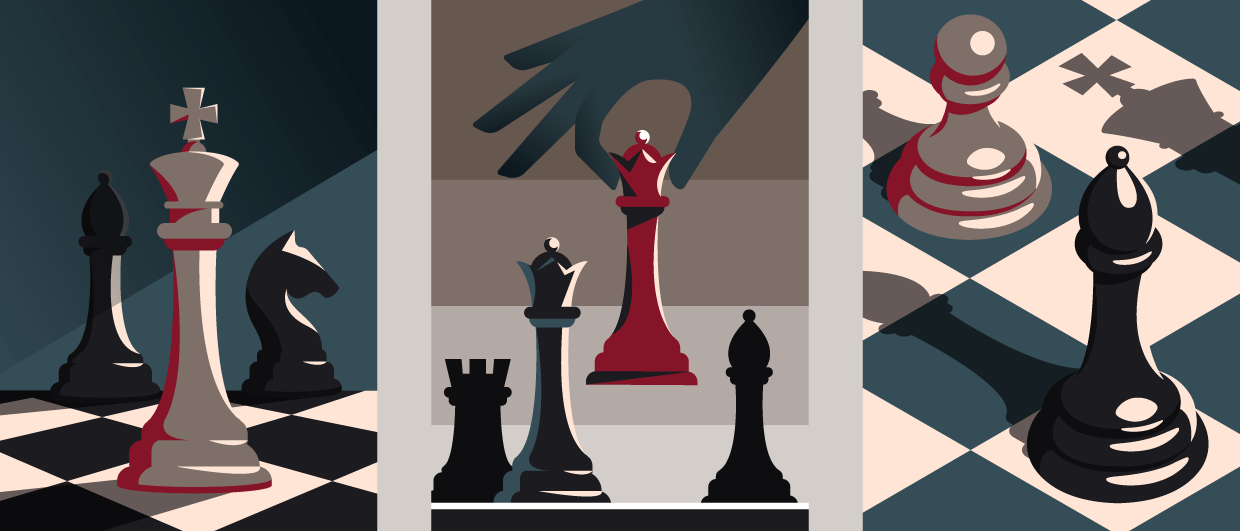
Imagine playing chess – but underground. Every move you make affects not only your own position, but also the stability of the entire board. Welcome to the world of carbon capture and storage (CCS), where injecting CO2 into deep geological formations isn’t just a technical challenge – it’s a strategic one.
As CCS projects scale globally, a new layer of complexity is emerging: Multiple operators injecting CO2 into hydrologically connected subsurface formations. These shared geological systems behave like a multiplayer game, where each player’s decisions – how much to inject, where, and when – can influence the outcomes for everyone else.
This is where game theory comes in: The subsurface chessboard.
Operators aim to store CO2 safely and permanently underground. But when formations are connected – through pressure regimes, fault systems, or fluid pathways – one operator’s injection can change pore pressure and / or compromise the integrity of neighbouring sites.
Strategic moves and hidden risks
Game theory helps us understand how operators behave when their actions are interdependent. In a non-cooperative game, each company tries to maximise its own benefit – injecting as much CO2 as possible, as fast as possible. But this can lead to suboptimal outcomes: Increased risk of leakage, fault activation, or licence regulatory breaches.
In contrast, a cooperative game encourages shared monitoring, data transparency, and coordinated injection strategies. Everyone benefits from reduced risk and improved long-term viability. But cooperation requires trust, incentives, and often, external enforcement – especially when geology doesn’t respect national boundaries. A good example is the North Sea, where multiple jurisdictions share subsurface formations.
Take the Utsira Formation, targeted by several CCS projects aiming to come online around the same time. The first injector may gain strategic advantages – access to optimal pore space, pressure control, and regulatory clarity. While Northern Lights is rightly celebrated as a pioneering success, it also represents only an opening move on the subsurface chessboard. The question remains: Is it scalable, and how will others play?
Plume management and pressure interference
At the heart of subsurface strategy lies plume and pressure management – the ability to predict, monitor, and control the migration of injected CO2 and associated pressure changes. It is not often that well-reported. A well-managed plume remains confined within the intended storage zone, avoiding faults, legacy wells, or transmissive layers.
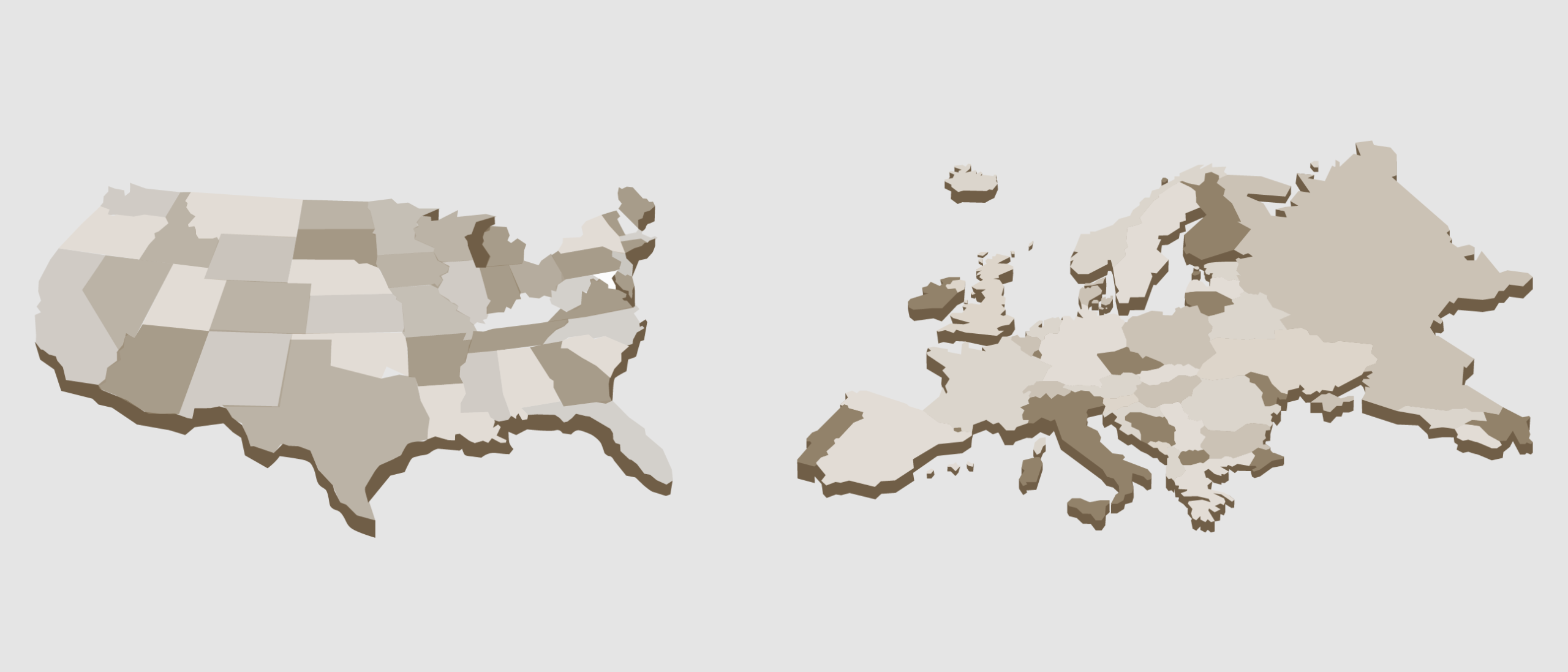
The associated pressure perturbation can be the silent killer in CO2 storage. In the USA, decades of wastewater injection have shown how pressure plume interference can trigger unintended consequences. In regions like Oklahoma and Texas, high-volume injection into deep formations led to elevated pore pressures that migrated laterally – sometimes tens of kilometres – activating faults and inducing seismicity. These cases underscore that pressure effects can extend far beyond the injection site, especially in connected formations. For CCS, this means that even distant injectors must coordinate to avoid cumulative pressure buildup and cross-boundary risks.
CCS is not a solo sport. As we inject CO2 into the earth to decarbonise the energy system, we must also inject with strategy, cooperation, and foresight. Game theory reminds us that in a connected subsurface, the smartest move is often the one that benefits everyone.