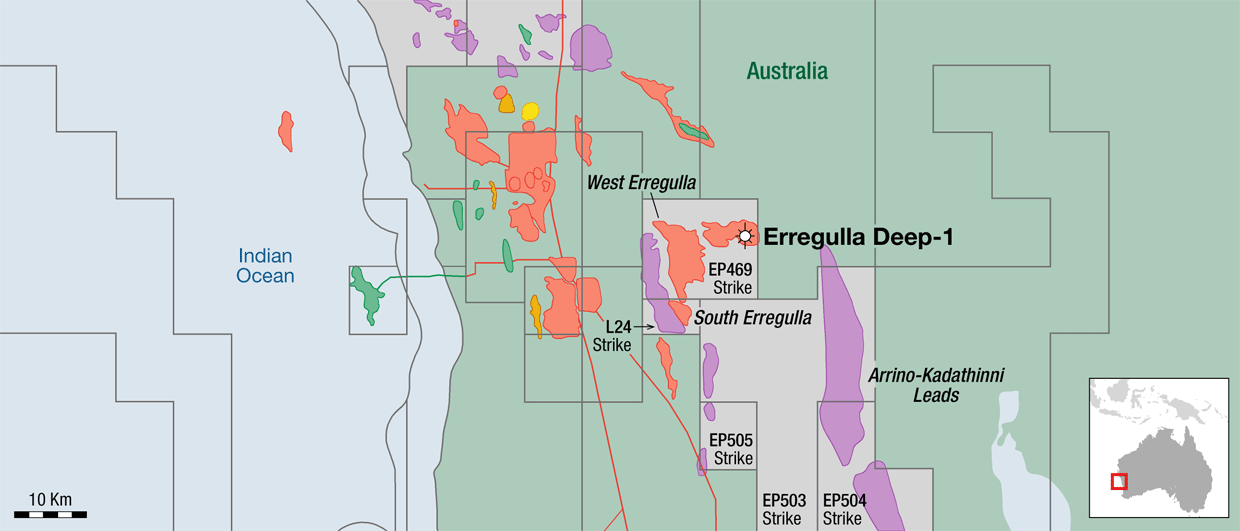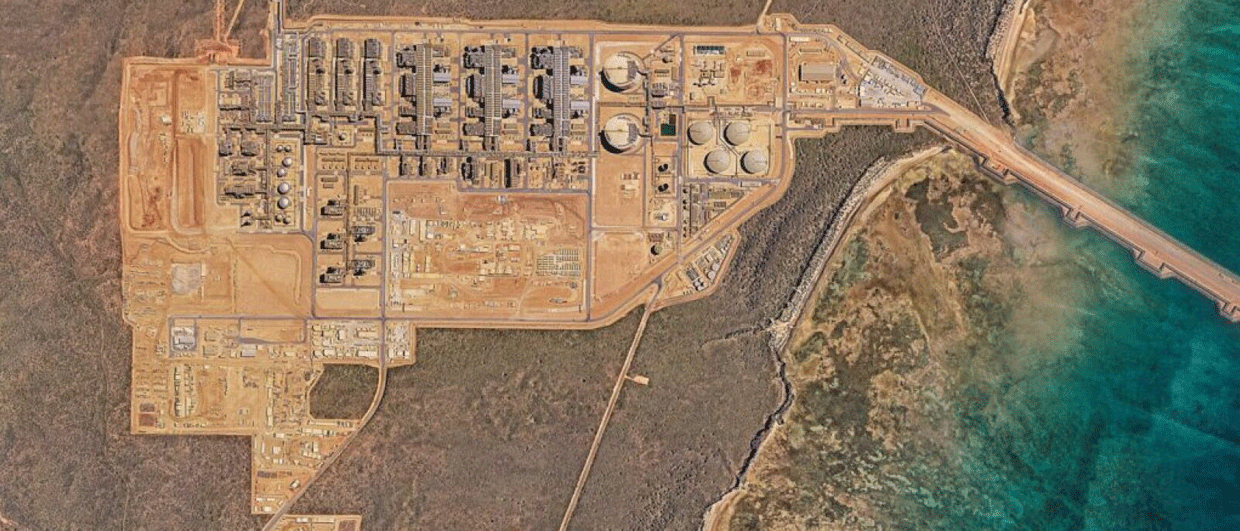
The Gorgon processing facility in Western Australia. Credit: Chevron.
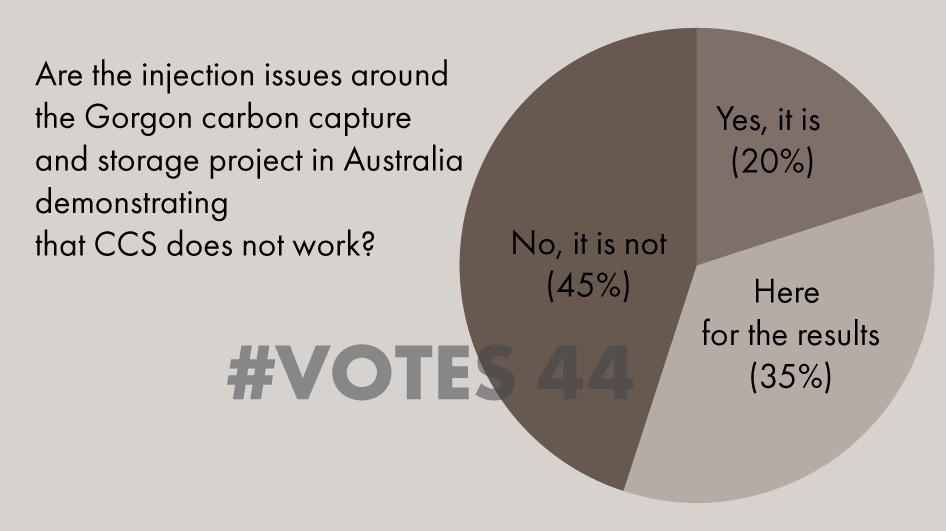
Are the problems around the Gorgon CO2 storage project proof that CCS does not work?
A lengthy discussion on social media exposes widely different points of view

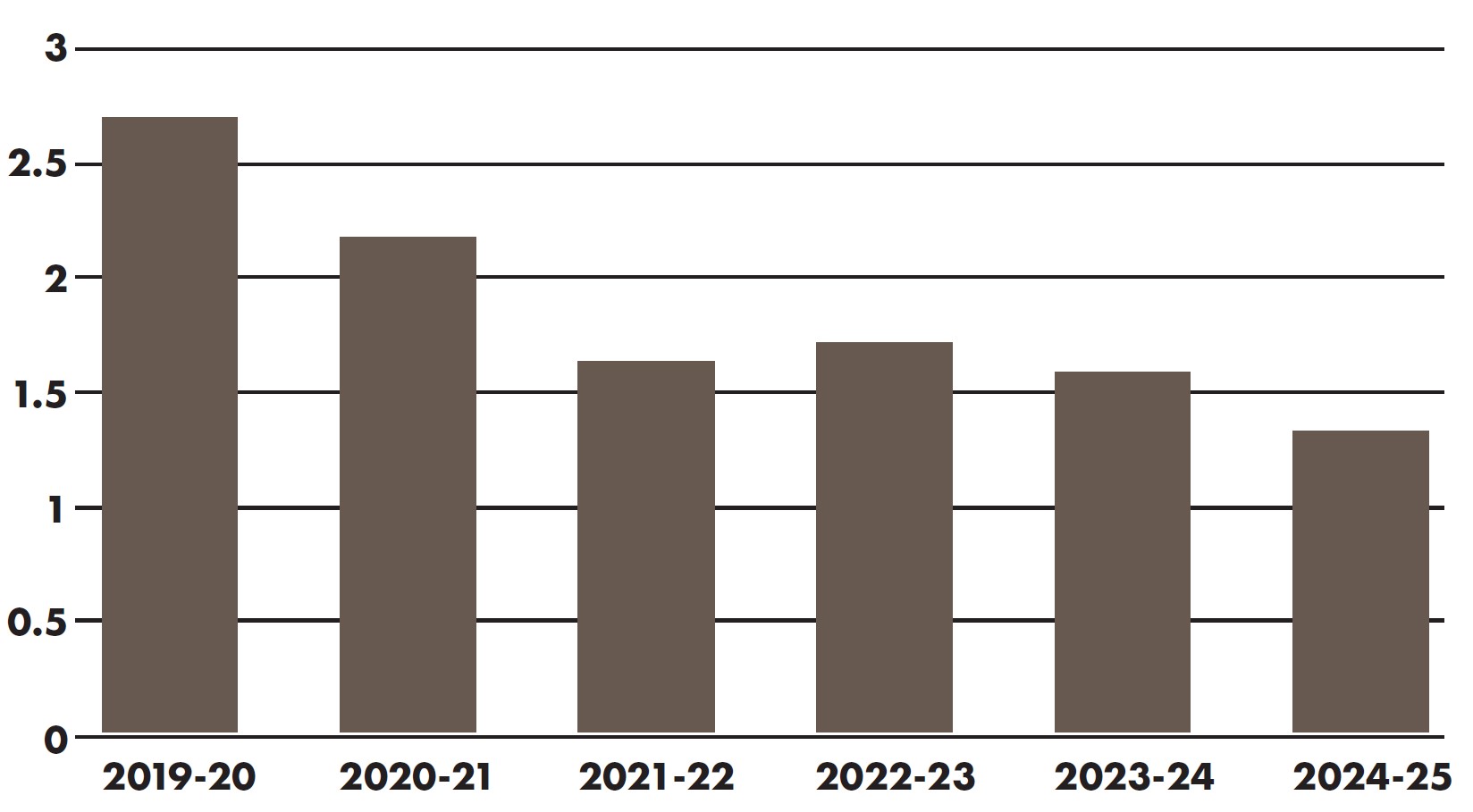
“The world’s largest CCS project, the one that underpins CCS as a climate solution, as advocated by the oil and gas companies. But as the graph shows from the data Chevron provided, its performance is getting worse by the year,” wrote Kevin Morrison in a LinkedIn post near the end of November 2025.
It sparked an outcry of reactions, varying from people who agree that CCS is a waste of time and money, given the tiny percentage of the emissions that are prevented this way and the potential that solar and wind have these days. On the other hand, others were quick to argue that the issues Gorgon is dealing with are unique, and that other projects such as Moomba in South Australia and Quest in Canada work well.
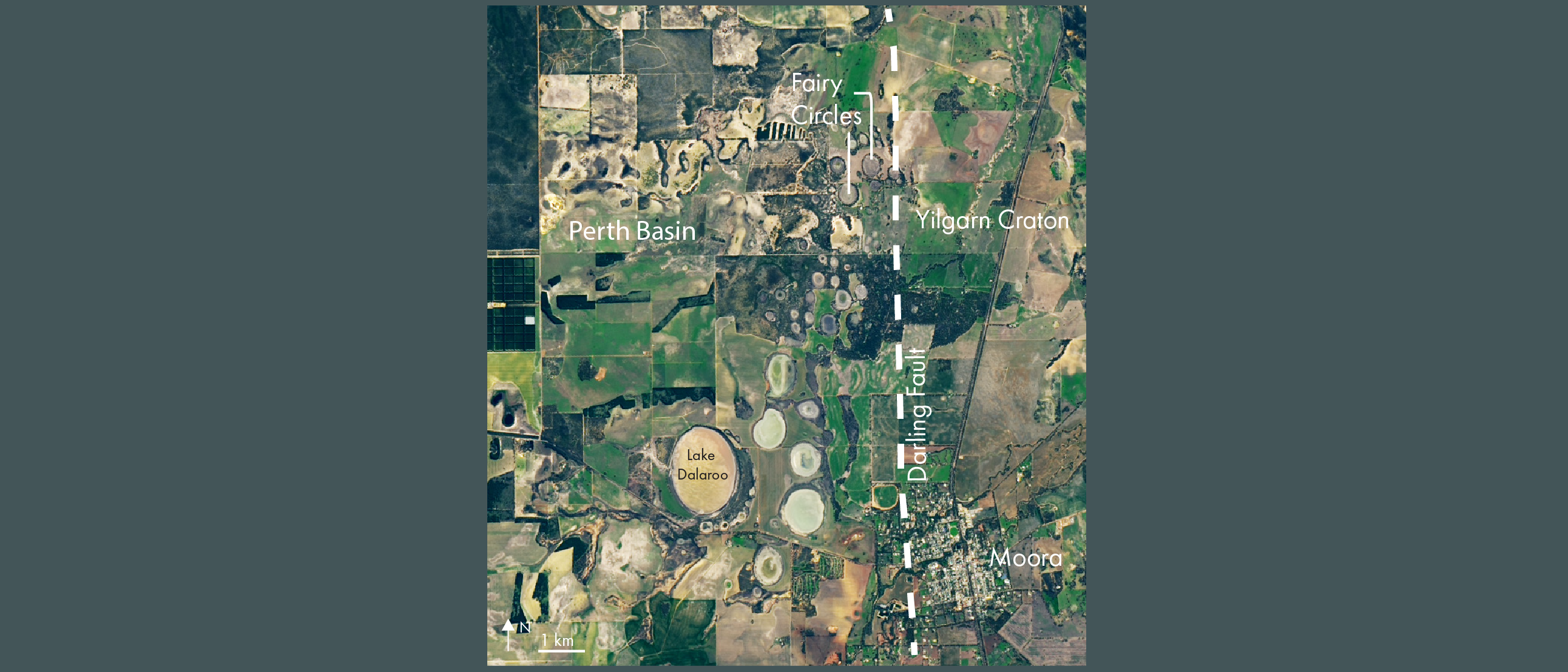
The issues that Gorgon faced, from a subsurface point of view, were multiple. First of all, corrosion of the pipes took place because of a high water content in the gas stream – something that should never have been allowed, according to some. Then there is the issue of sand production in the wells that were drilled to produce water from the reservoir to limit pressure from rising too much.
Despite the numerous comments on the post, it takes scrolling through to the last remark that provides a hint to the ultimate question that should be asked: “Given the pressure issues and all the related problems, why did Chevron and partners choose the Jurassic Dupuy Formation as the injection reservoir? Did they expect pressure issues from the start?
The answer is yes, they did. This paper from 2009 describes how a pressure handling system was designed to pump water from the Dupuy reservoir into the overlying Barrow Group from day one. In that sense, it is likely that the sanding issues in the water production wells were the unforeseen factor rather than the pressure limitations of the overall container itself.
This leads to the next question: Was there no other reservoir candidate with a bigger volume that could be considered for injection? Given the work that seemingly went into the selection process, I doubt there was. That then leads to the question of why Chevron is so slow in acting on these issues through drilling more and better water production wells?
Again, opinions differ, with some blaming a slow governmental legislative process, whilst others say it is down to corporate inertia.
But at the end of the day, I do agree with what CCS proponent Margriet Kuipers concludes in her comments; the penalty Chevron now pays due to underdelivering is too small and allows the company to carry on producing gas and vent the CO2. Money talks, and shareholders ultimately look at numbers.
So is Gorgon an example of a CCS project that doesn’t work? I think it can work, even at Gorgon, but with the right stick.