This animal stands at the basis of your ham sandwich. Illustration: denys holovatiuk via Adobe Stock.
A loss of connection to our energy system
To understand our energy system is to also understand biology, as the biological world knows where their next meal is coming from

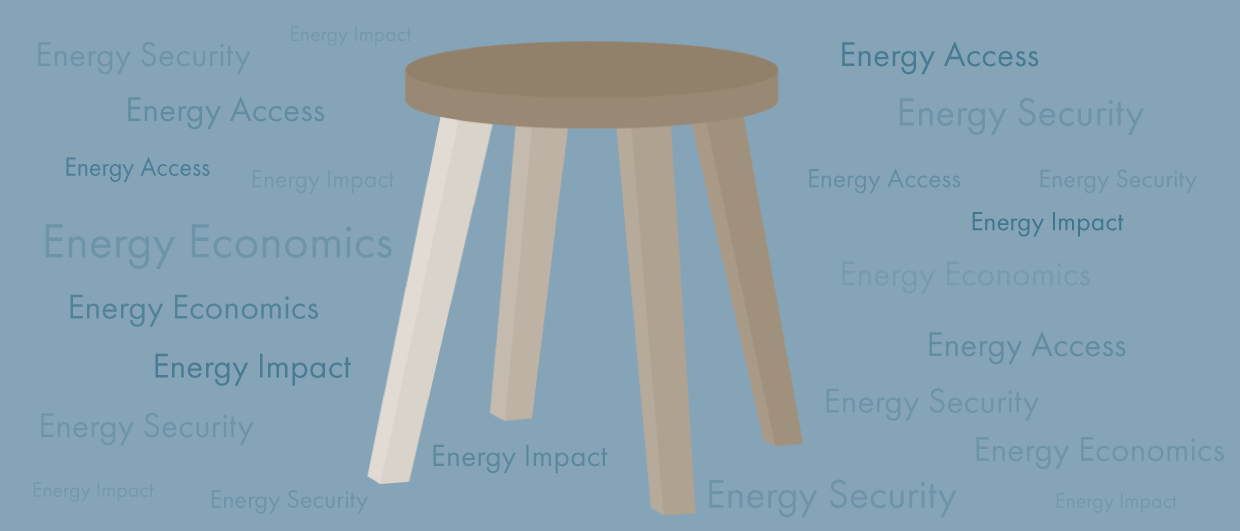
Three essential pillars of modern society are food, energy and access to clean water. The World Resources Institute refers to insecurity in these resources as a “Triple Threat”. The UN describes them as “a nexus at the heart of sustainable development”.
It’s often lamented that we have lost connection with the source of our food; occasionally, everyone gets a bit sad and donates money to a charity so that inner city kids can visit a zoo to see that ham does not grow in a packet. So, where is the same drive to reconnect with our energy system? Few people in the West cut their own firewood now, and centres of oil and gas extraction are generally far away.
As stated in one of my earlier columns, the problem stems from the fact we have forgotten what energy poverty means. Ask someone who experienced the recent Iberia blackout on the 28th of April what 24 hours of no energy means for a modern society. It grinds to a halt.
We should not treat our energy system as just another input to the economy – it IS the economy. The greatest single error of modern economics is the assumption that, if we understand money, we also understand the economy. This fallacy is reaching a climax now as the practice of diminishing returns of net energy comes into play from those ‘easy to find’ reserves and saving the difficult and costlier for a ‘later’ date.
The 2025 world is in no imminent danger of running out of fossil fuels, but in the long run, they will have to be replaced regardless of their relationship to climate change. If we look at energy demand since we started using coal, it shows that our energy demand has gone up 10-fold, driven by industrialisation, population growth and expanding digital infrastructure.
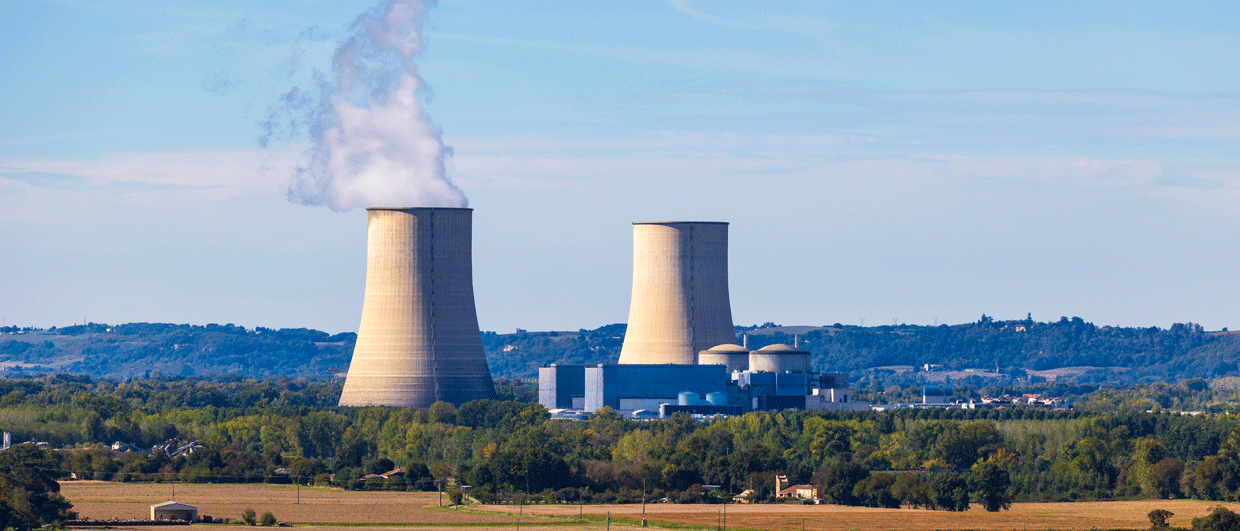
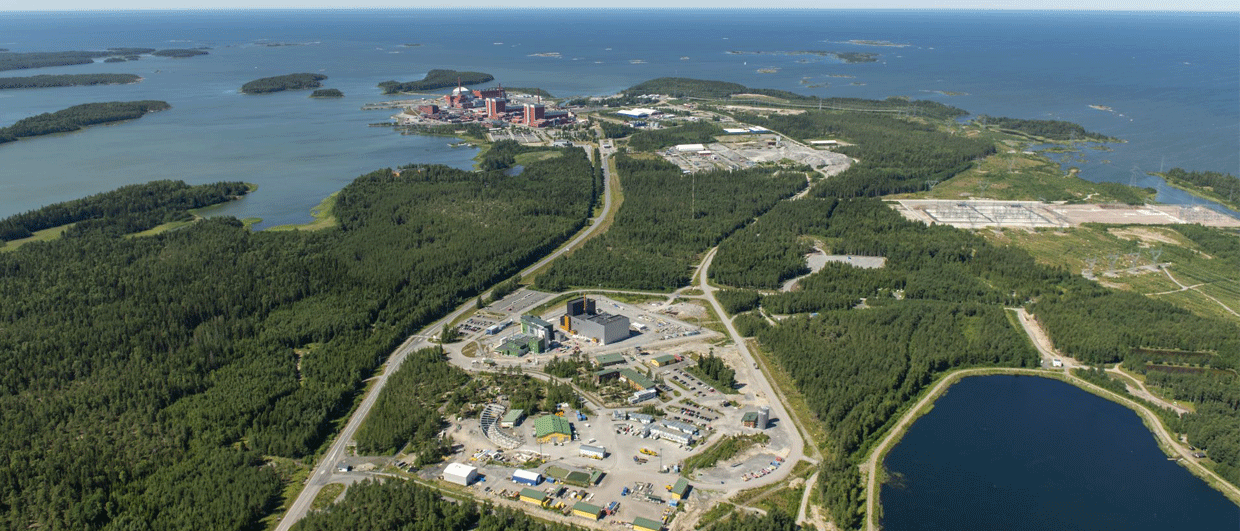
So, what`s going to meet our energy needs for the next 100 years? If demand grows another 10x, we will need energy sources that are not just clean and reliable, but truly scalable. The uncomfortable truth is that this leaves only two serious contenders: fusion and fission. Fusion is a bit of a long-term bet, so that’s why you can see the world’s tech companies currently scrambling to underwrite the technological evolution of both forms of nuclear now.
As we stand on the brink of an energy future shaped by nuclear innovation and a deeper understanding of our biological roots, it’s time to rekindle our connection – not just with the sources that power us, but with the very essence of how we sustain ourselves.
Only then can we forge a resilient, equitable, and truly sustainable energy system – one that remembers where it comes from and shares that knowledge with every generation to come. Because in reconnecting with our energy, we reconnect with our future. But to repudiate that connection is to return to our past, and all the danger, insecurity, discomfort and decivilisation that can be found there.